Why These Comparisons Exist
Comparison searches are the most decision-ready queries in this category. Someone searching retinol vs retinal has already decided to buy a retinoid; they are choosing between two of them. Someone searching eau de parfum vs eau de toilette is standing in front of two bottles of the same fragrance.
Those queries deserve a verdict, not an essay. So every page in this hub opens with the answer in under sixty words, follows with a table you can read in one screen, and only then explains the reasoning. If you want the short answer you can leave after the first paragraph, and that is a feature.
The one thing we will not do is declare a winner and then abandon the loser. Every comparison here includes a genuine use case for the option we did not recommend, because the honest answer to most of these questions is *it depends on you*, and the useful version of that answer names what it depends on.
How to Use This Hub
The comparisons are grouped by the decision they settle rather than by ingredient, because a decision is what you arrive with.
- The retinoid ladder — which rung to stand on. Start at retinol vs. retinal if you are choosing between over-the-counter options, or retinol vs. tretinoin if a prescription is on the table.
- Brightening — which pigment mechanism to buy. These pages matter most because pigment ingredients are frequently sold as interchangeable when they act on entirely different steps.
- Acids and acne — surface versus inside the pore, and where benzoyl peroxide fits.
- Hydration and barrier — the group where the marketing is loosest and the ingredients are least interchangeable.
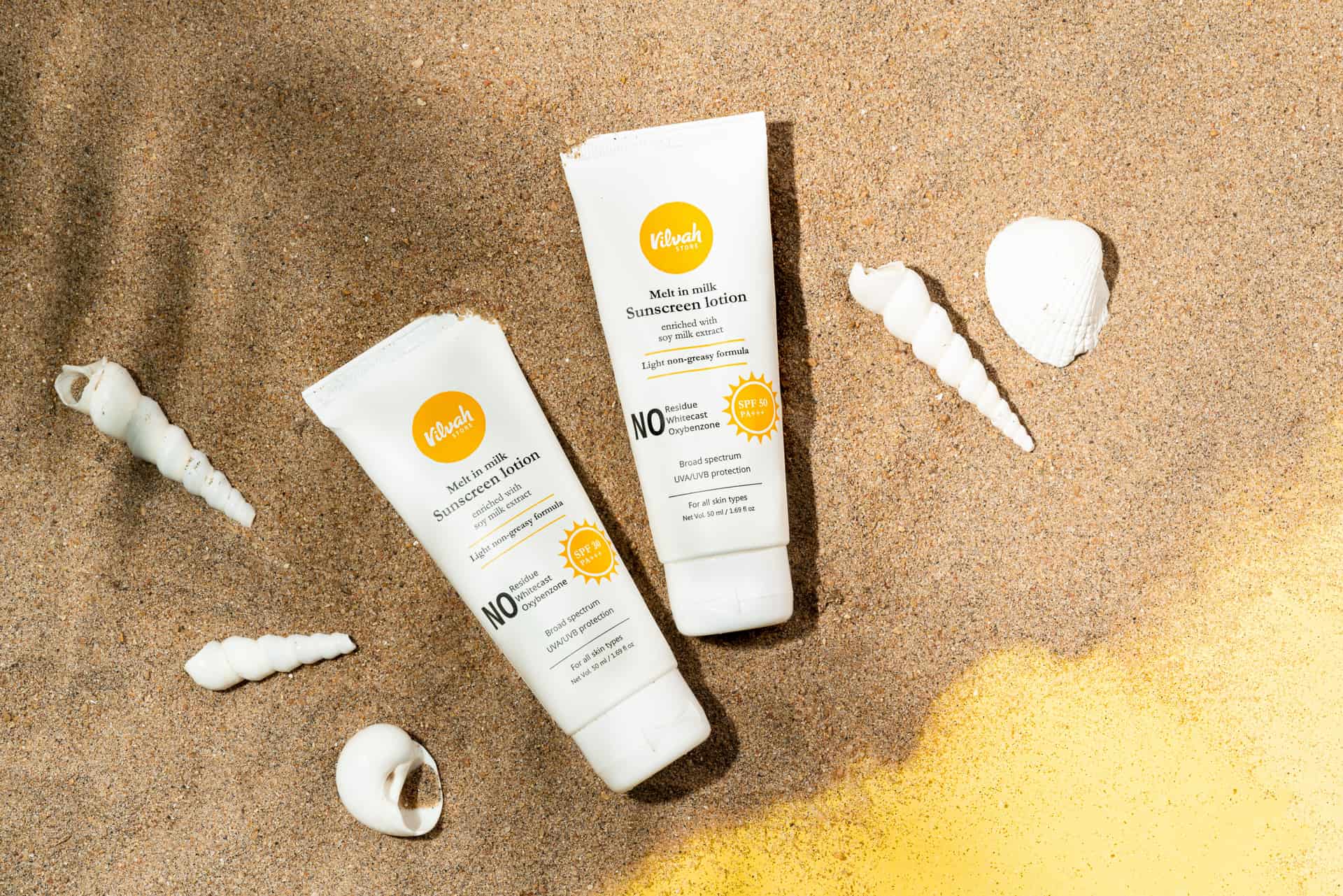
- Sun protection — one decision, and the most consequential on the site.
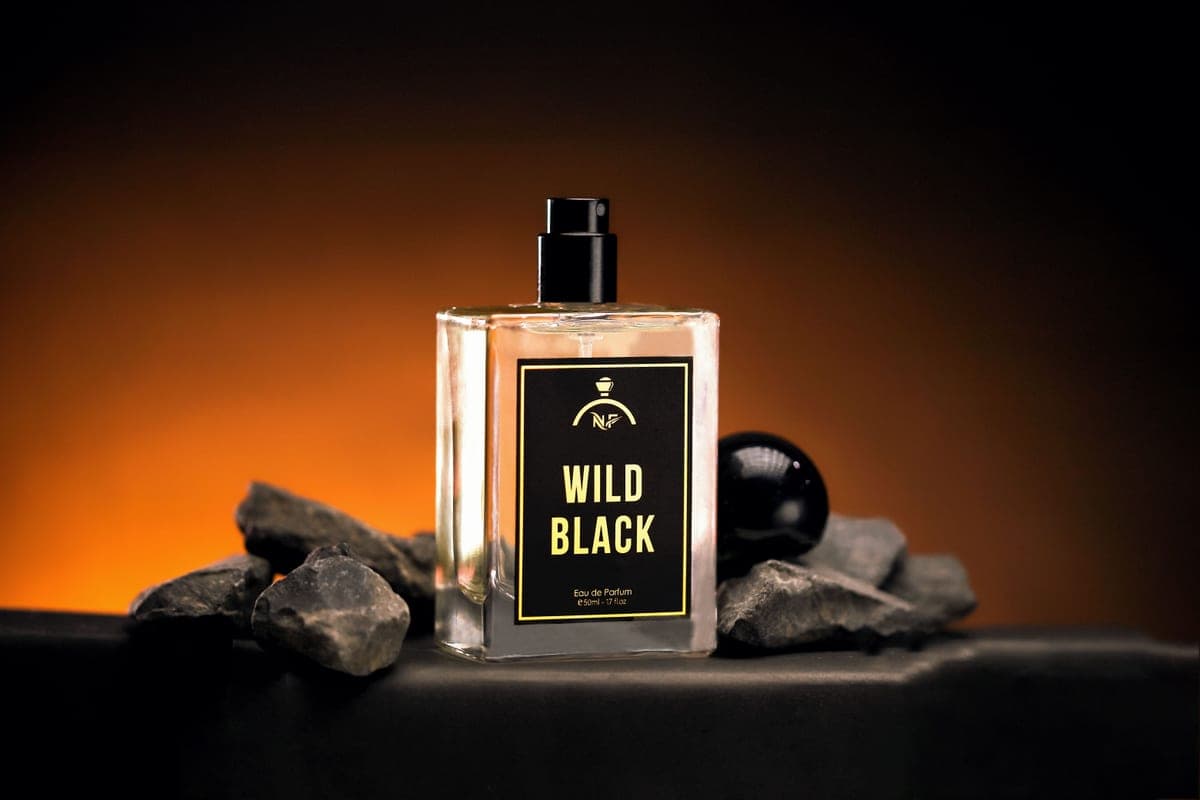
- Fragrance — concentration and terminology, which is where most of the confusion in that category lives.
Every comparison links back to the full monograph for both sides, so if the verdict raises a question the page does not answer, the deeper treatment is one click away.
The Answer That Comes Up Most Often
Across forty comparisons, one conclusion recurs more than any other: consistency beats potency. The stronger option wins on paper and loses in practice whenever it is used less often, and it is used less often precisely because it is stronger.
This shows up in the retinoid pages, the acid pages and the sunscreen page alike. A 0.3% retinol used four nights a week outperforms a 1% used fortnightly. A chemical sunscreen applied generously outperforms a mineral one applied grudgingly. Where a comparison has a clear winner on paper and we still recommend the other option, this is almost always why.
The second recurring answer is that the two things being compared often are not substitutes at all. Niacinamide and hyaluronic acid do unrelated jobs; ceramides and peptides do unrelated jobs. In those cases the useful verdict is not which one, but which one first — and that is the form the answer takes.