Damaged Barrier or Genuine Sensitivity?
These present similarly and need different responses, so it is worth distinguishing them before buying anything.
| Damaged barrier | Intrinsic sensitivity | |
|---|---|---|
| Onset | Recent, often after new products or over-exfoliation | Lifelong or long-standing |
| Pattern | Reacts to things that used to be fine | Consistent triggers over years |
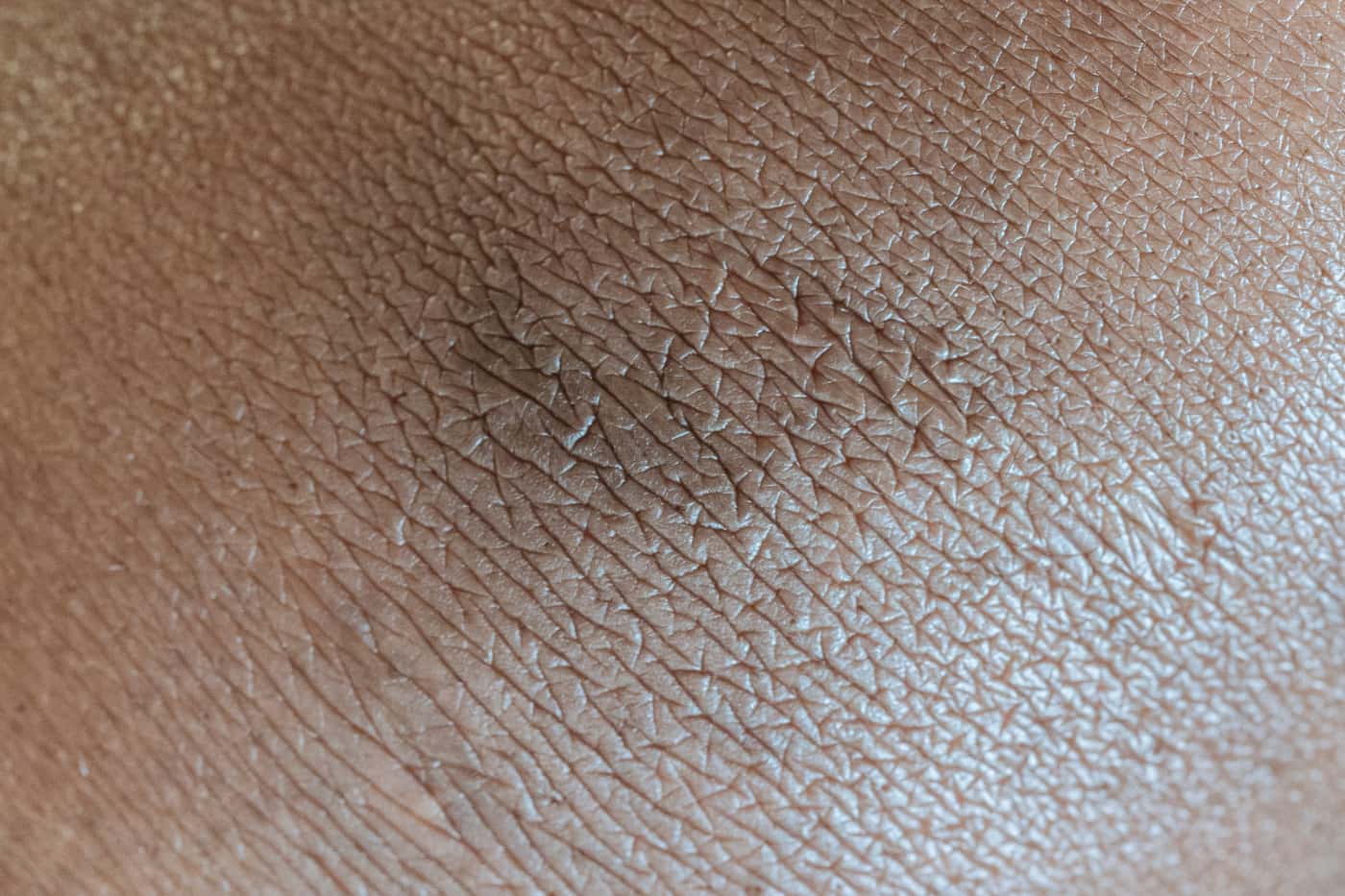
| Symptoms | Tight, shiny-red, stings on water, flaking | Flushing, burning, reacting to specific ingredients |
| Timeline | Repairs in 1 to 2 weeks on a stripped routine | Managed rather than fixed |
| Underlying | Lipid depletion from over-treatment or over-cleansing | Frequently rosacea, eczema or contact allergy |
A useful test: a damaged barrier improves noticeably within a fortnight of stopping everything. If two weeks of a gentle cleanser and a plain moisturizer changes nothing, you are dealing with something else, and that is a conversation for a clinician rather than a shopping decision.
The Repair Protocol
Two weeks, and the discipline is in what you remove rather than what you add.
- Stop every active. Retinoids, acids, vitamin C, benzoyl peroxide, all of it. This is the step people negotiate with and it is the one that works.
- Stop exfoliating entirely. Chemical and physical both.
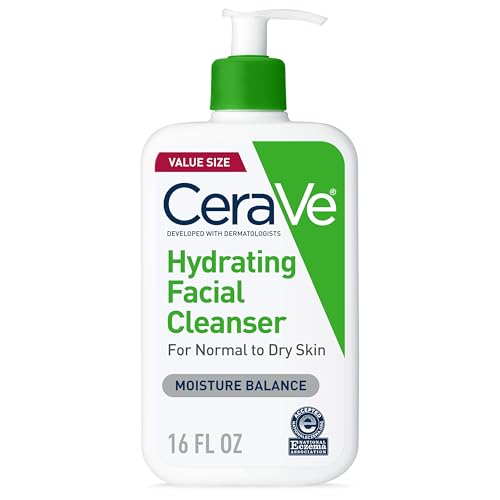
- Cleanse once daily, in the evening, with a gentle non-foaming cleanser. Water only in the morning.
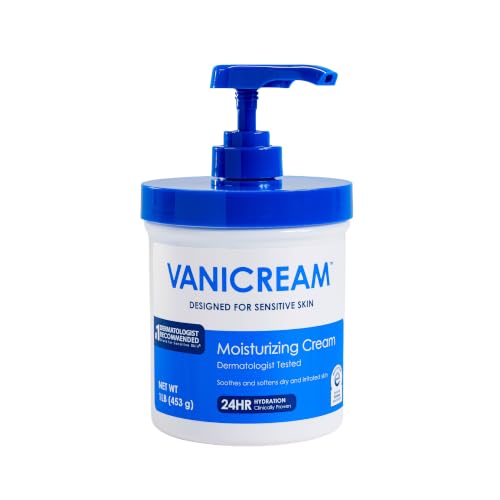
- A [ceramide](/ingredients/ceramides) moisturizer, twice daily, applied generously to slightly damp skin.
- Sunscreen. The one thing that does not stop — a compromised barrier is more vulnerable to UV, not less. A mineral formula if chemical filters sting.
- Nothing else. No masks, no treatments, no new products, no tools.
Reintroducing Actives
Once skin is comfortable — no stinging on water, no tightness, no flaking — reintroduce slowly.
- One active, two to three weeks apart. Same rule as building a routine from nothing.
- Start with the gentlest. Niacinamide at 5% is the usual first reintroduction: no adjustment period, no photosensitivity, and it supports the barrier while you rebuild.
- Then the one that matters most for your concern, at a lower strength and frequency than before.
- Buffer. Applying moisturizer before an active costs a little potency and buys a lot of tolerance.
- Two nights a week, not four. Frequency is rebuilt from the bottom.
- If it stings, stop that one — not everything. Wait a week and try again at a lower frequency.
Some things are worth not reintroducing at all: physical scrubs, high-percentage acids used daily, and any product whose ingredient list you cannot check. Sensitive skin is a good reason to prefer short, fragrance-free formulations permanently.
What Reactive Skin Should Avoid Long-Term
- Fragrance. The most common cause of cosmetic contact allergy, and the single most useful thing to eliminate. Note that unscented is not fragrance-free — see fragrance vs. perfume.
- Essential oils. Natural and among the most frequent sensitizers. Origin says nothing about tolerability.
- High-foaming cleansers, particularly with a high SLS content in a leave-on-adjacent context.
- Physical scrubs. No upside over a well-tolerated chemical exfoliant, and considerably more risk.
- Denatured alcohol high in the ingredient list in leave-on products, which can be drying on already-compromised skin.
- Too many products. Every additional product is another chance to react, and diagnosing the culprit gets harder with each one.
If a specific product causes a consistent reaction, note the full ingredient list. Patterns across two or three such products usually identify the ingredient, which is a far more precise tool than a category to avoid.