Skip to content
Glow & Gild

Concern guide

Skincare for Eczema-Prone Skin

Eczema is a medical condition, not a skincare problem. What a routine can do is reduce how often it flares — and the evidence for how to do that is unusually clear.

By Sawyer V. · Published September 24, 2026 · Last updated September 24, 2026

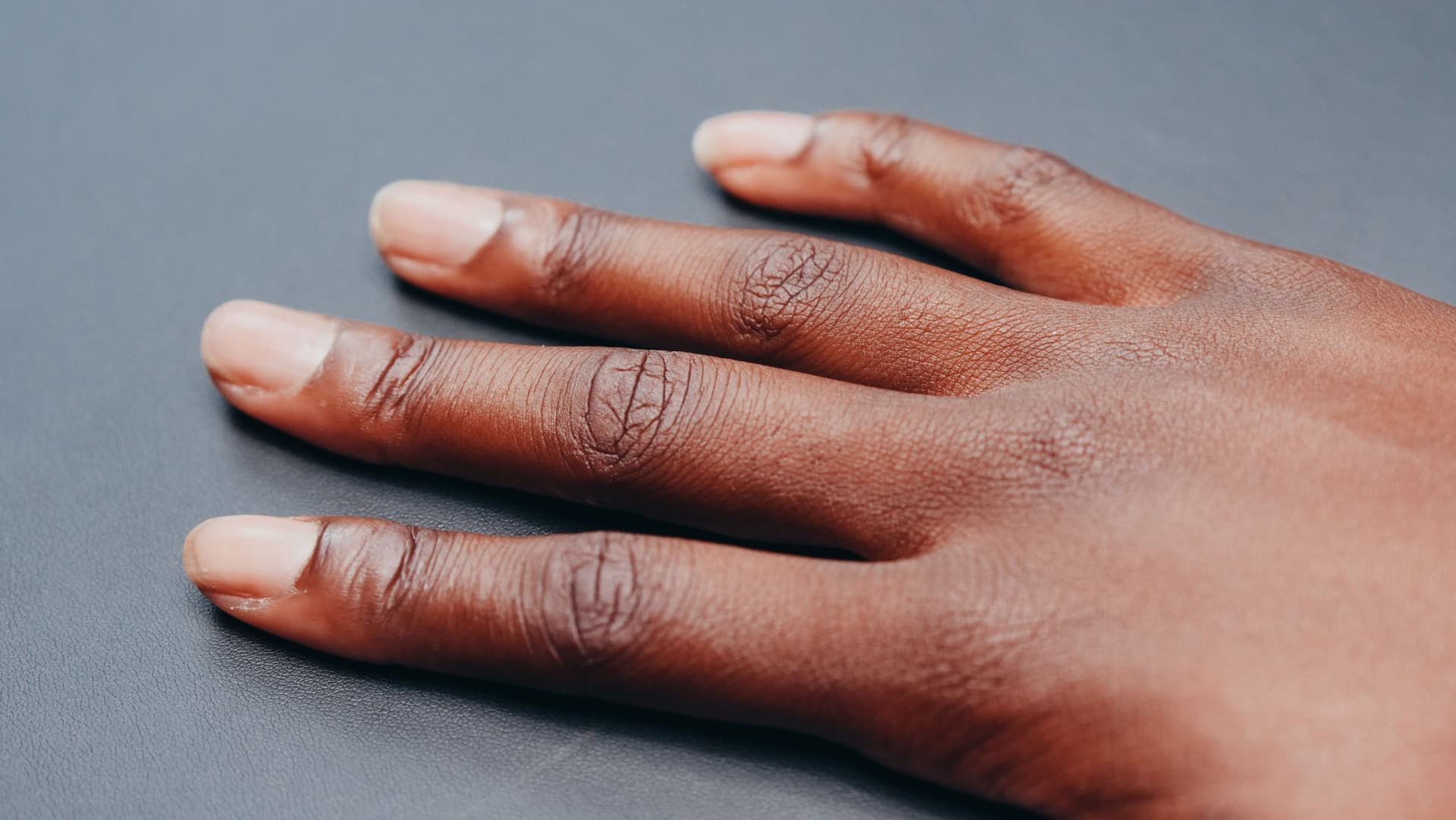
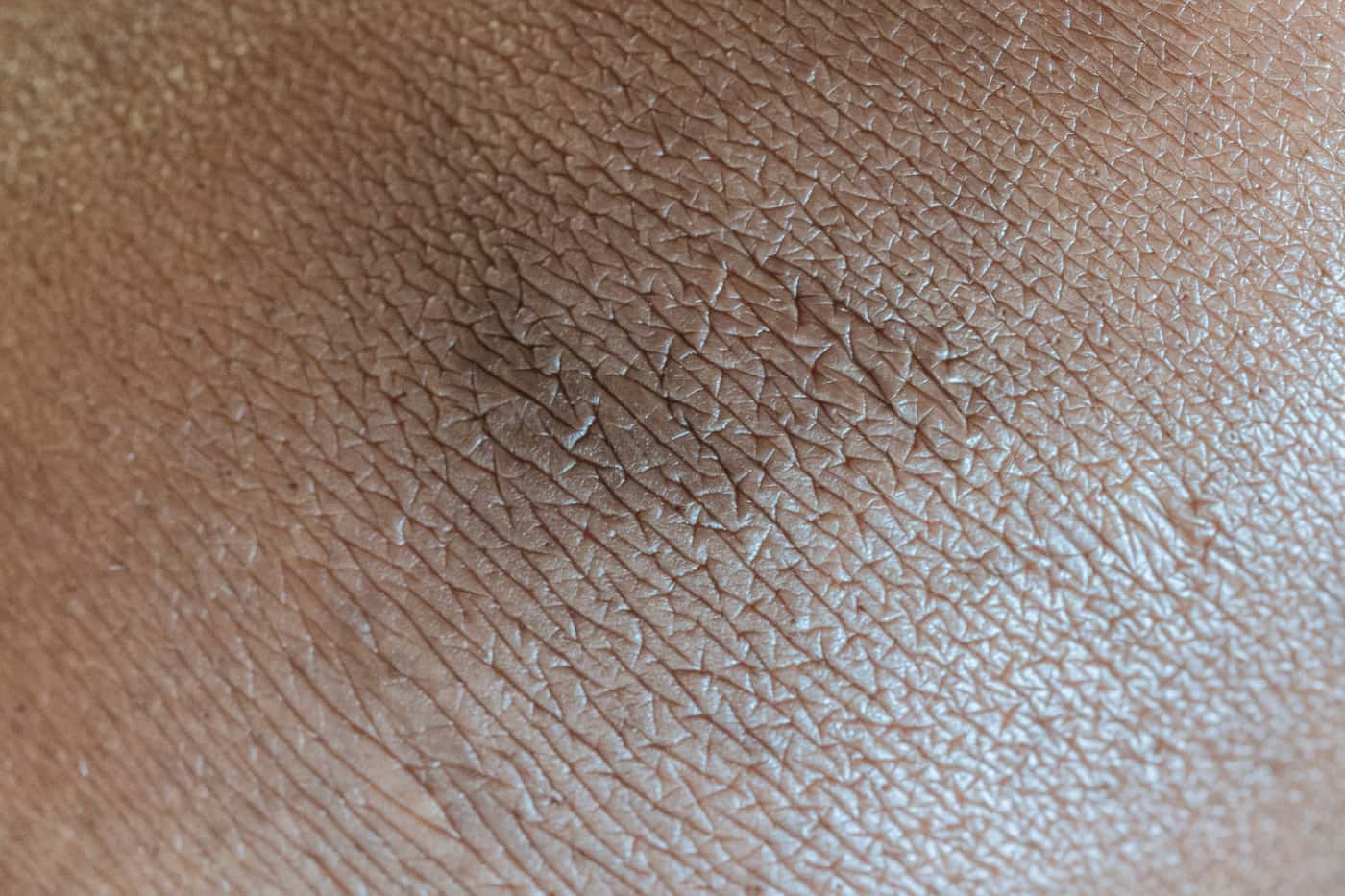
Close-up of dry, textured skin on an arm

The short answer

For eczema-prone skin: bathe in lukewarm water, keep it short, and moisturize within three minutes of getting out. The American Academy of Dermatology notes that an ointment such as petroleum jelly provides more relief than a cream or lotion when skin is very itchy. Use fragrance-free products, and see a dermatologist for anything that is not settling.

Disclosure: Glow & Gild earns a commission when you buy through links on this page, at no extra cost to you. It does not change which product we recommend, and no brand pays for placement here. Read the full disclosure.

How We Picked

We chose five fragrance-free moisturizers and ointments sold in the US that suit the routine dermatologists describe, and read each ingredient list. Care guidance comes from the American Academy of Dermatology. We have not tested these products, and nothing here is medical advice.

Everyone in this category says they tested twenty of these. We have not tested any, and we say so. What we did instead: compiled the published concentrations and ingredient lists, checked each claim against what the formula can actually support, and wrote down who each product is wrong for. The full method is published so you can check it.

What Eczema Is, and What a Routine Can Do

Atopic dermatitis — the most common form of eczema — is a chronic inflammatory condition involving a barrier that leaks water and lets irritants in, and an immune system that overreacts when they arrive. It is medical, it runs in families, and it is not caused by using the wrong moisturizer.

What a routine changes is the frequency and severity of flares. Because the barrier is the part you can influence from the outside, almost all of the useful advice is about putting water into skin and then keeping it there — which is why the timing of a moisturizer matters more here than the brand of it.

The Routine Dermatologists Describe

  1. Bathe in lukewarm water, and keep it short. The AAD's advice for eczema-prone children is a soak of 10 to 15 minutes in lukewarm water; the same principle applies to adults.
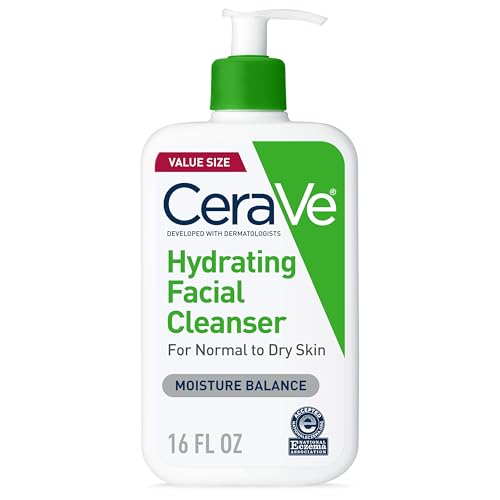
  2. Use a gentle, fragrance-free cleanser, and only where you need it.
  3. Pat dry, leaving skin slightly damp. Do not rub with a towel.
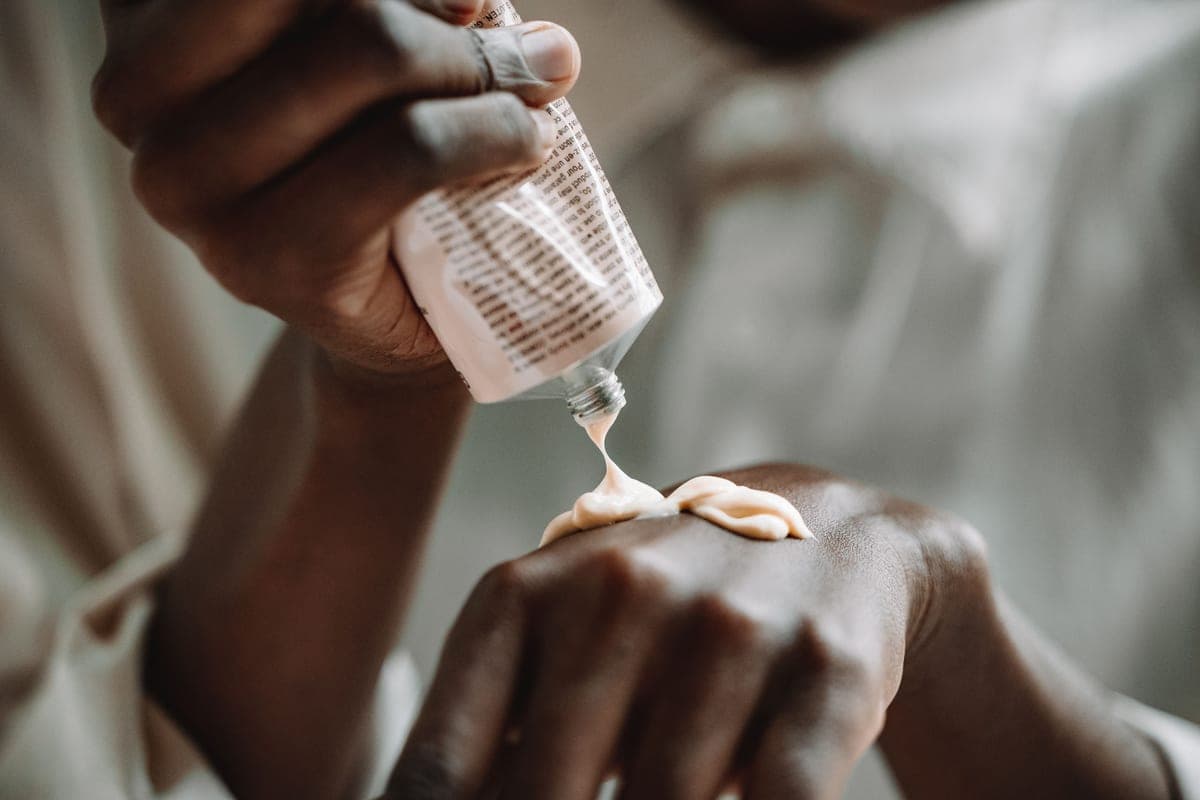
  4. Moisturize within three minutes. This is the single most repeated instruction in eczema care, and the reason it works is that it traps the water the bath just added.
  5. Apply medication first where prescribed, then moisturizer around it, rather than over it.
  6. Reapply through the day on hands and any area that flares. Frequency beats richness.

The AAD is specific about format when skin is very itchy: an eczema-friendly ointment such as petroleum jelly provides more relief than a cream or a lotion. Ointments are greasy and unglamorous, and they are also what the guidance points to. A cream for daytime and an ointment at night is a workable compromise.

What Tends to Make It Worse

  • Fragrance, including essential oils and the natural ones. It is the most common avoidable trigger in a routine.
  • Hot water and long showers, which strip lipids and leave skin itchier when it cools.
  • Foaming cleansers with harsh surfactants — see best cleansers for dry skin.
  • Actives during a flare. Retinoids, acids and vitamin C can wait; a broken barrier does not need exfoliation.
  • Wool and rough textures directly against a flare.
  • Scratching, which is easy to say and hard to do. The AAD notes stress often makes eczema worse, and suggests distraction rather than telling a child to stop.

Dry winter air is the other reliable aggravator, and it is one of the few worth spending money on: a humidifier in the bedroom addresses the cause rather than the symptom — see humidifiers for dry skin.

What to Look For on the Label

Look forWhy
Fragrance-freeThe single most useful filter in this category
Petrolatum high in the listThe most effective occlusive, and the format the AAD names for itch
Ceramides, cholesterol, fatty acidsThe lipids a leaky barrier is short of — see ceramides
Colloidal oatmealA recognized skin protectant used across eczema products
Short ingredient listsFewer candidates when something does react
A National Eczema Association sealProduct-level review against the association's criteria; check it is on the exact product
No product photoNo product photograph available for Vanicream Moisturizing Skin Cream

1 — The shortest list, for daily use

Vanicream Moisturizing Skin Cream

What’s in it

  • Eleven listed ingredients, with petrolatum second
  • Fragrance-free and masking-fragrance-free, per the brand
  • Carries the National Eczema Association Seal of Acceptance, per the brand

When almost everything stings, this is the cream to retreat to: enough occlusion to hold water in, and very little in it to react to.

Who it’s not for

Anyone who wants a light, fast-absorbing finish — it is thick by design.

CeraVe Moisturizing Cream

2 — Barrier lipids at scale

CeraVe Moisturizing Cream

What’s in it

  • Three ceramides with cholesterol and hyaluronic acid
  • Sold in tubs up to 19 oz
  • Fragrance-free

Eczema-prone skin needs moisturizer in quantity and often, which makes a large, cheap tub of ceramide cream more useful than a small jar of anything.

Who it’s not for

An active flare that needs an ointment; this is the everyday layer rather than the rescue one.

$18.96 · View on Amazon

Amazon price as of October 16, 2026, 03:15 UTC — details

#ad — how we’re funded

Aquaphor Healing Ointment

3 — The ointment for flares and cracks

Aquaphor Healing Ointment

What’s in it

  • Petrolatum-based ointment
  • Sold in sizes up to 14 oz
  • Fragrance-free

The format the AAD names for very itchy skin, and the one to use on cracked hands, lips and patches overnight.

Who it’s not for

Daytime use on the face for most people, and anyone who cannot tolerate a greasy finish.

$16.49 · View on Amazon

Amazon price as of October 16, 2026, 03:15 UTC — details

#ad — how we’re funded

Eucerin Eczema Relief Cream

4 — Colloidal oatmeal, cheaply

Eucerin Eczema Relief Cream

What’s in it

  • Colloidal oatmeal formula
  • Sold in a 5 oz tube
  • Fragrance-free

Colloidal oatmeal is the recognized skin protectant behind most eczema-labeled creams, and this is among the cheapest ways to use it daily.

Who it’s not for

Anyone with an oat allergy, and anyone needing the occlusion of a true ointment during a flare.

$10.19 · View on Amazon

Amazon price as of October 16, 2026, 03:15 UTC — details

#ad — how we’re funded

La Roche-Posay Lipikar AP+Max Triple Repair Moisturizing Body Cream

Premium Beauty listing

5 — A richer daily body cream

La Roche-Posay Lipikar AP+Max Triple Repair Moisturizing Body Cream

What’s in it

  • Shea butter and niacinamide with the brand's prebiotic thermal water, per the brand
  • Sold in a 13.52 oz bottle
  • Fragrance-free

A substantial body cream built for eczema-prone skin, in a pump bottle large enough to use as generously as the routine requires.

Who it’s not for

Anyone shopping strictly on price: it costs more per ounce than the drugstore tubs above it.

$21.99 · View on Amazon

Amazon price as of October 16, 2026, 03:15 UTC — details

#ad — how we’re funded

Skip This One

Natural and essential-oil balms marketed for eczema

Plant-based balms sold for eczema often contain exactly what eczema-prone skin reacts to: fragrant essential oils and botanical extracts. Natural does not mean non-irritating, and the barrier that is already leaking is the worst place to test the idea. The unglamorous petrolatum ointment in this list is the one the dermatology guidance actually names.

Frequently Asked Questions

Within three minutes, on skin that is still damp. It is the most repeated instruction in eczema care.

Sources

Who wrote this

By Sawyer V.. An enthusiast who’s genuinely into this: I read the manufacturer documentation, compile the published percentages, and do the arithmetic. No lab coat.

What I don’t do: test products, accept free product, or accept payment for placement. I hold no clinical credential and don’t claim one. How we pick.

Published September 24, 2026 · Last updated September 24, 2026

A hand resting on a gray surface

Concern guide

Best Skincare for Dry Skin

What dry skin needs, how it differs from dehydrated skin, and the dermatologist-backed routine that fixes most of it.

A jar of gentle cream on a dark background

Concern guide

Skincare for Sensitive Skin

Most self-diagnosed sensitivity is a damaged barrier, fixable in a fortnight. How to tell, and how to rebuild afterwards.

A swatch of rich cream on dark stone

Ingredient monograph

Ceramides

The lipid your barrier is made of. Why the cholesterol and fatty acid alongside it matter more than the ceramide percentage.

Humidifier mist in a softly lit bedroom

Device

Best Humidifiers for Dry Skin

Why dermatologists suggest a humidifier for dry skin, ultrasonic vs evaporative, and the cleaning routine the EPA recommends.

Nothing here is medical advice. Editorial policy · How we pick · Affiliate disclosure