The Comparison, in One Table
| Mineral (physical) | Chemical (organic) | |
|---|---|---|
| Filters | Zinc oxide, titanium dioxide | Avobenzone, octinoxate, octocrylene, homosalate and others |
| How it works | Sits on skin; scatters, reflects and absorbs UV | Absorbs UV and dissipates it as heat |
| White cast | Yes, proportional to concentration | No |
| Texture | Heavier, sometimes chalky | Lighter, more cosmetically elegant |
| Works immediately | Yes | Some filters need a short settling period |
| Irritation risk | Very low — the reason it is used post-procedure | Low, but stinging around the eyes is a common complaint |
| UVA coverage | Zinc oxide covers the full UVA range alone | Depends on the filter combination |
How Each Actually Works
The popular framing of mineral filters as tiny mirrors is only partly right. Zinc oxide does reflect and scatter UV, but at most wavelengths it absorbs more than it reflects, dissipating the energy as heat. In that respect it works more like a chemical filter than the marketing suggests.
Chemical filters absorb UV photons and release the energy as heat. Different filters cover different parts of the spectrum, which is why a chemical sunscreen usually lists several — one for UVB, one for short UVA, one for long UVA, plus photostabilizers to stop them degrading in sunlight.
The genuine mechanistic difference that matters: zinc oxide is the only single filter approved in the US that covers the full UVA range. A chemical sunscreen achieves the same breadth by combination, which works fine but depends on the formulation being well built.
The Safety Question, Handled Honestly
This is the reason most people arrive at this comparison, so it deserves a direct answer rather than a hedge.
Systemic absorption of chemical filters is real and its significance is unknown. Published studies have detected several organic filters in blood plasma above the threshold at which the FDA requires further testing. What that means for health has not been established — detection is not evidence of harm, and the FDA has explicitly said these results do not indicate that anyone should stop using sunscreen.
What is established is that UV exposure causes skin cancer and photoaging. That evidence is overwhelming and decades deep. Weighing a documented, serious risk against an undetermined one is not a close call, and the correct response to uncertainty about filters is to use a mineral sunscreen, not to use none.
Nano zinc oxide attracts its own concern. Published assessments have not found it penetrating intact skin from sunscreen lotions; the caution that does exist concerns inhalation, which is why spray formats get more scrutiny than creams.
When to Choose Mineral
Reactive, rosacea-prone or post-procedure skin. Mineral filters are the standard recommendation after any procedure and for skin that stings on chemical filters, which is a common and legitimate complaint.
Children. Mineral is the usual choice, largely for the same tolerance reasons.
Melasma. A tinted mineral sunscreen with iron oxides adds visible-light protection, which matters specifically for melasma because visible light drives it as well as UV. That is a genuine, mechanism-based reason rather than a preference.
If the absorption question bothers you. It is unresolved, and choosing mineral is a reasonable response to unresolved uncertainty. Just do not respond by wearing less sunscreen.
When to Choose Chemical
You have a deeper skin tone and dislike tinted products. An untinted high-percentage mineral sunscreen leaves a visible cast, and pretending otherwise helps nobody. A chemical filter avoids the problem entirely.
You wear makeup over it. Chemical filters layer better and do not lift or ball up under foundation the way heavier mineral formulas can.
You struggle to apply enough. This is the decisive one. If a mineral sunscreen feels heavy enough that you use half the tested amount, you are getting a fraction of the protection on the label, and a lighter chemical formula applied properly protects you considerably better.
Sport and water. Chemical formulations generally hold up better under sweat and swimming, though water-resistant mineral options exist.
Hybrid Formulas
A third option that gets overlooked: hybrid sunscreens combine zinc oxide with chemical filters, reaching full UVA breadth at a much lower zinc load and therefore with far less cast.
These are common outside the US and increasingly available within it, and for many people they are the right answer — most of the UVA breadth of mineral, most of the elegance of chemical. If you have rejected both categories on their respective weaknesses, this is the thing to try.
A Pick for Each Side
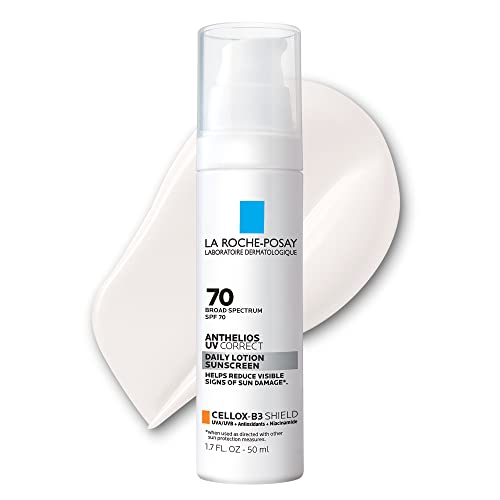
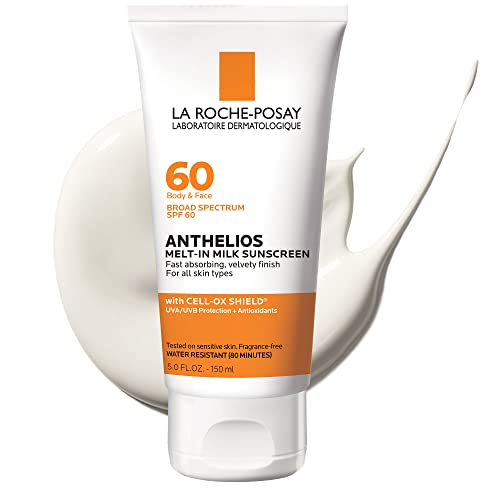
One tinted mineral and one lightweight chemical filter, chosen for the two things that actually determine real-world protection: whether you will wear it and whether you will apply enough.