Skip to content
Glow & Gild

Guide

Starter Actives

Four products do most of the work. Here is which four, in what order, and what to ignore until they are established.

By Sawyer V. · Published September 8, 2026 · Last updated September 8, 2026

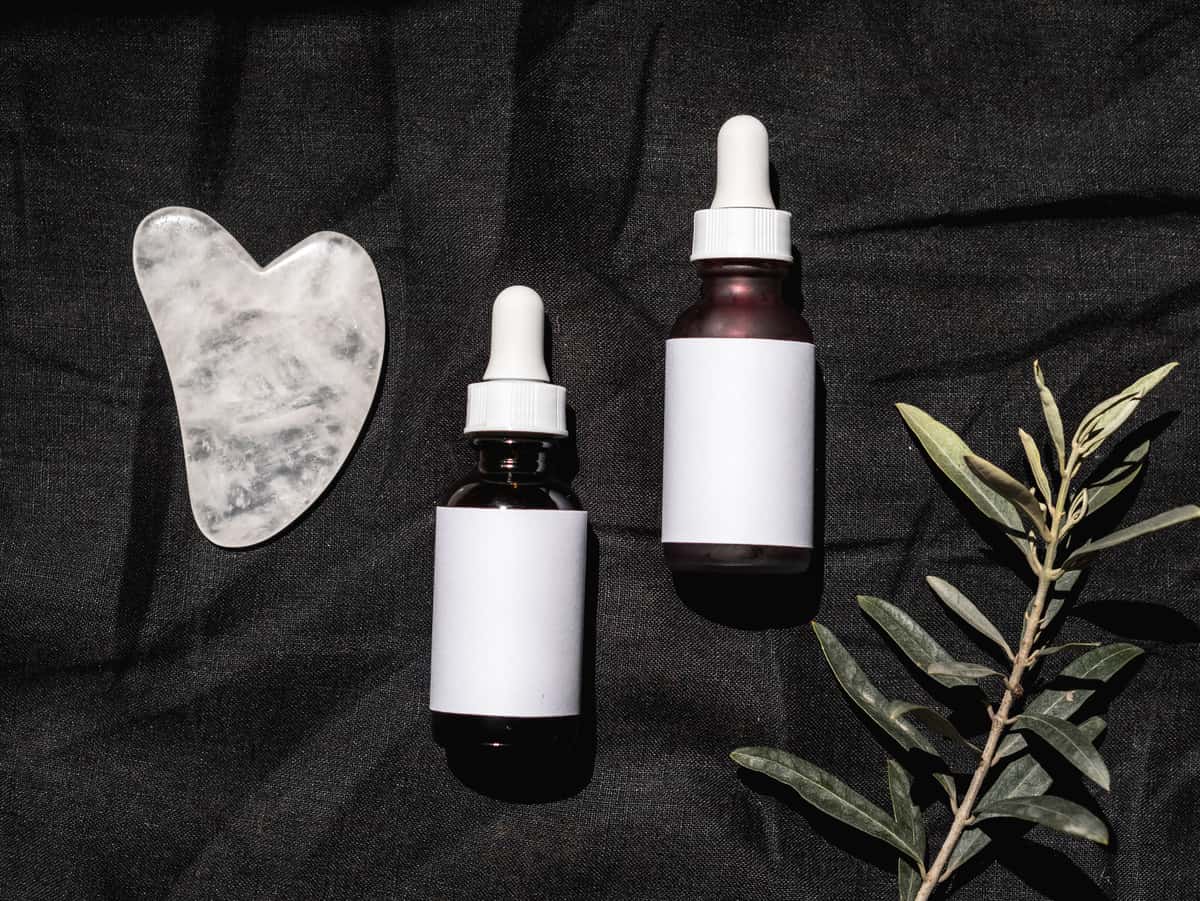
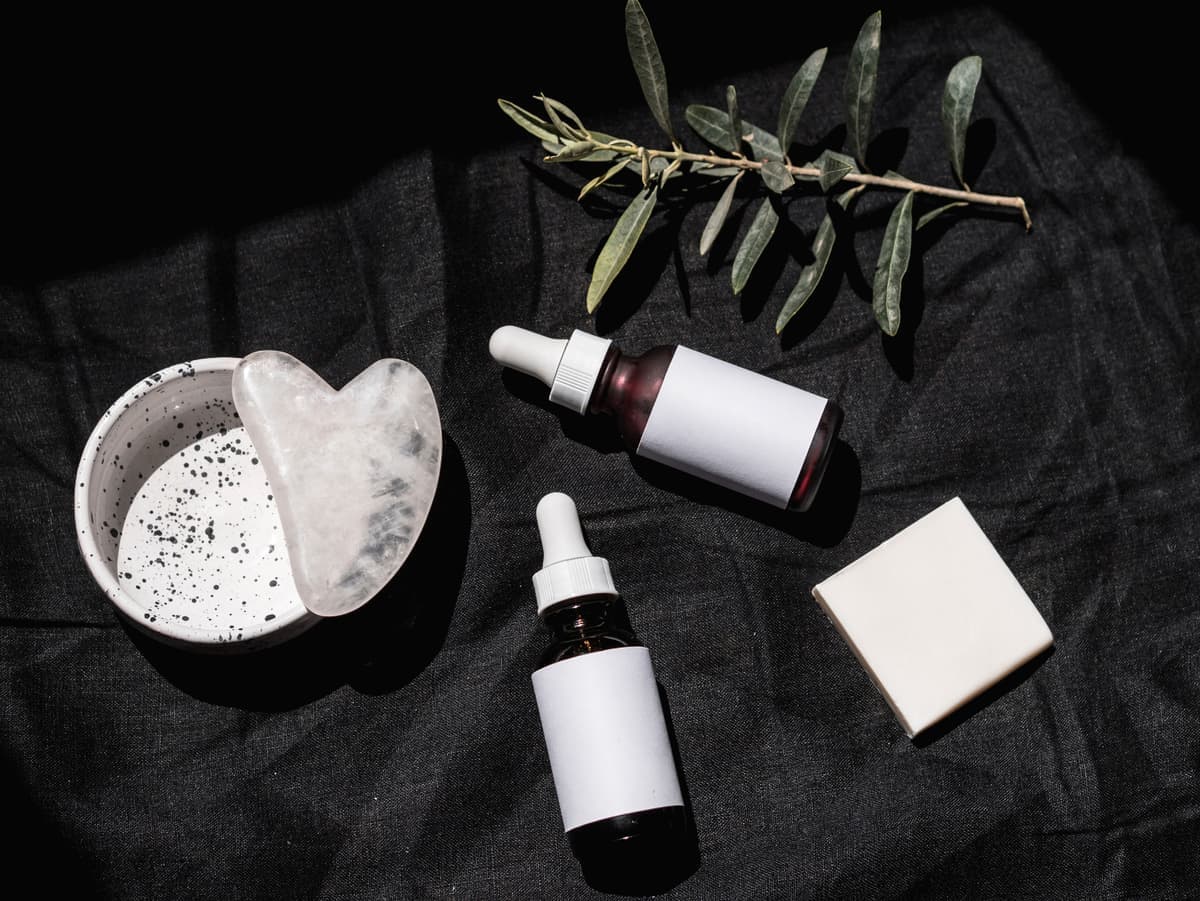
A small set of skincare essentials on a dark surface

The short answer

Start with a sunscreen and a moisturizer. Add a retinoid at week four and vitamin C at week eight. That sequence covers protection, structure and tone, and it is more than most ten-step routines deliver.

Disclosure: Glow & Gild earns a commission when you buy through links on this page, at no extra cost to you. It does not change which product we recommend, and no brand pays for placement here. Read the full disclosure.

The Four That Matter

Skincare has a long tail of ingredients with modest, incremental effects, and a very short head of ingredients that do most of the work. Getting the head right is worth more than every refinement combined.

ProductWhat it doesPriority
SunscreenPrevents the damage everything else is trying to correctFirst, and non-negotiable
Moisturizer with ceramidesKeeps the barrier intact so actives are tolerableFirst, alongside sunscreen
A retinoidTexture, lines, congestion, collagen over monthsSecond
Vitamin CAntioxidant protection, tone, pigmentThird

That is the whole list. Everything else on this site is refinement of a routine built on those four, and buying a peptide serum before you own a sunscreen is optimizing in the wrong order.

The Twelve-Week Sequence

Introduce one thing at a time so a reaction has an identifiable cause. This is the single most useful discipline in skincare and almost nobody follows it.

  1. Weeks 1 to 3 — the base. A gentle cleanser, a ceramide moisturizer, and a sunscreen you will actually wear every day. Nothing else. Let your skin settle to a stable baseline.
  2. Weeks 4 to 7 — the retinoid. Start at 0.2% to 0.3% retinol, two nights a week, on dry skin, moisturizer after. Increase to three then four nights only if there is no flaking.
  3. Weeks 8 to 11 — vitamin C. In the morning, on clean dry skin, before moisturizer and sunscreen. Start every other day if it stings.
  4. Week 12 onward — assess. By now you know how your skin responds to each. Only now is it worth considering a fourth active, and only if there is a specific concern the first three do not address.

What to Skip at the Start

Not because these are bad, but because they are optimizations of a routine that does not exist yet.

  • Exfoliating acids. A retinoid already increases turnover. Adding an acid in the first twelve weeks is the fastest route to over-exfoliation.
  • [Peptides](/ingredients/peptides). A reasonable addition later, a weak substitute for a retinoid now.
  • Essences, toners and multi-step layering. Optional at any point, and pure noise while you are trying to establish cause and effect.
  • Devices. An LED mask or a microcurrent device before a sunscreen habit is optimizing the wrong thing by a wide margin. See tools.
  • More than one product from the same category. Two hydrating serums do not hydrate twice.

The exception is a specific active for a specific concernazelaic acid for rosacea or persistent marks, salicylic acid for genuine congestion. Those replace the retinoid slot rather than adding to it.

What to Expect, and When

TimescaleWhat changes
1 to 2 weeksBarrier symptoms — tightness, stinging, reactivity — improve
2 to 6 weeksThe retinoid adjustment period. Some flaking is expected; sustained burning is not.
4 to 8 weeksTexture and oil control start to shift
8 to 12 weeksTone and pigment begin to improve
6 to 12 monthsThe collagen effect of a retinoid becomes measurable

The most common reason people conclude a routine failed is judging it at six weeks. That is too early for almost everything on this site except barrier comfort.

Take a photograph at week one, in the same light, and do not look at it again until week twelve. Day-to-day comparison is close to useless for changes on this timescale.
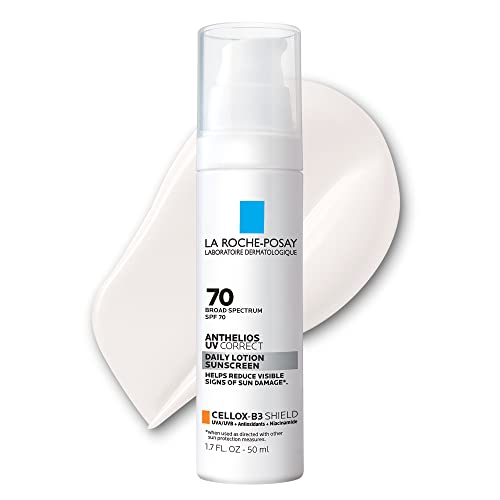
No product photoNo product photograph available for La Roche-Posay Anthelios UV Correct Face Sunscreen SPF 70

Premium Beauty listing

1The first purchase

La Roche-Posay Anthelios UV Correct Face Sunscreen SPF 70

What’s in it

  • Broad-spectrum chemical filter system with a lightweight fluid texture
  • Includes niacinamide as a stated supporting ingredient
  • No white cast; wearable under makeup

The single highest-value purchase in skincare, and the one people delay longest. A texture light enough to apply generously matters more than which filter system it uses.

Who it’s not for

Very reactive skin, or anyone who stings on chemical filters around the eyes. A tinted mineral sunscreen is the right alternative — see chemical vs. mineral.

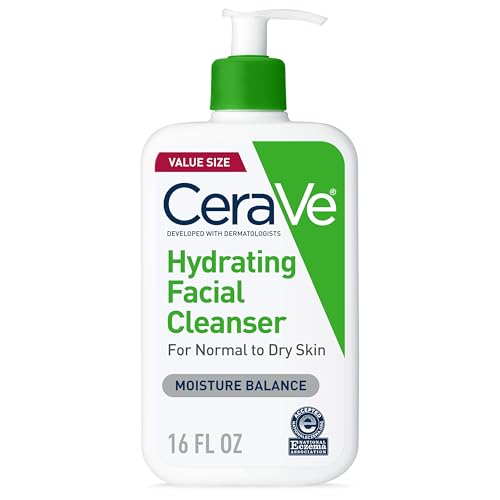
No product photoNo product photograph available for CeraVe PM Facial Moisturizing Lotion

2The base layer

CeraVe PM Facial Moisturizing Lotion

What’s in it

  • Three ceramides plus niacinamide and hyaluronic acid
  • Fragrance-free, non-comedogenic, lightweight
  • Works morning or evening for most skin types

Three weeks of a stable, well-formulated moisturizer before adding any active is what makes the active tolerable, and this covers the step for most skin types cheaply.

Who it’s not for

Genuinely dry or eczema-prone skin in winter. A lotion does not deliver the occlusion dry skin needs — the cream version is the right choice.

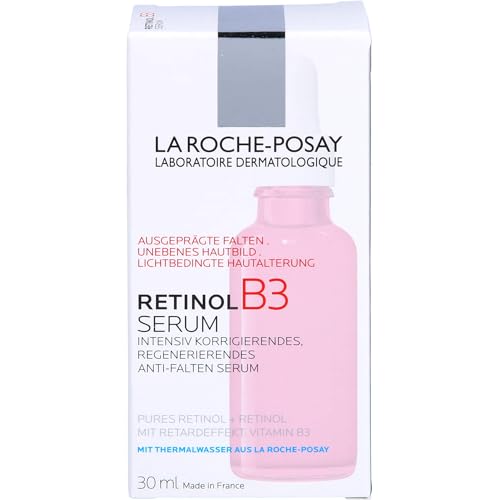
No product photoNo product photograph available for La Roche-Posay Retinol B3 Serum

Premium Beauty listing

3The week-four addition

La Roche-Posay Retinol B3 Serum

What’s in it

  • Pure retinol plus a gradual-release retinol derivative, published by the brand
  • Niacinamide as the supporting ingredient
  • Opaque pump packaging

A buffered retinoid with niacinamide support is the formulation most likely to survive a first adjustment period, and surviving the adjustment period is the whole game with this ingredient.

Who it’s not for

Anyone who wants a published dose to reason about. The gradual-release fraction is described rather than quantified, which is the price of the gentler experience — The Ordinary's 0.5% is the alternative.

Frequently Asked Questions

A sunscreen and a ceramide moisturizer, for three weeks, before any active. Then a retinoid at week four and vitamin C at week eight.

Sources

Who wrote this

By Sawyer V.. An enthusiast who’s genuinely into this: I read the manufacturer documentation, compile the published percentages, and do the arithmetic. No lab coat.

What I don’t do: test products, accept free product, or accept payment for placement. I hold no clinical credential and don’t claim one. How we pick.

Published September 8, 2026 · Last updated September 8, 2026

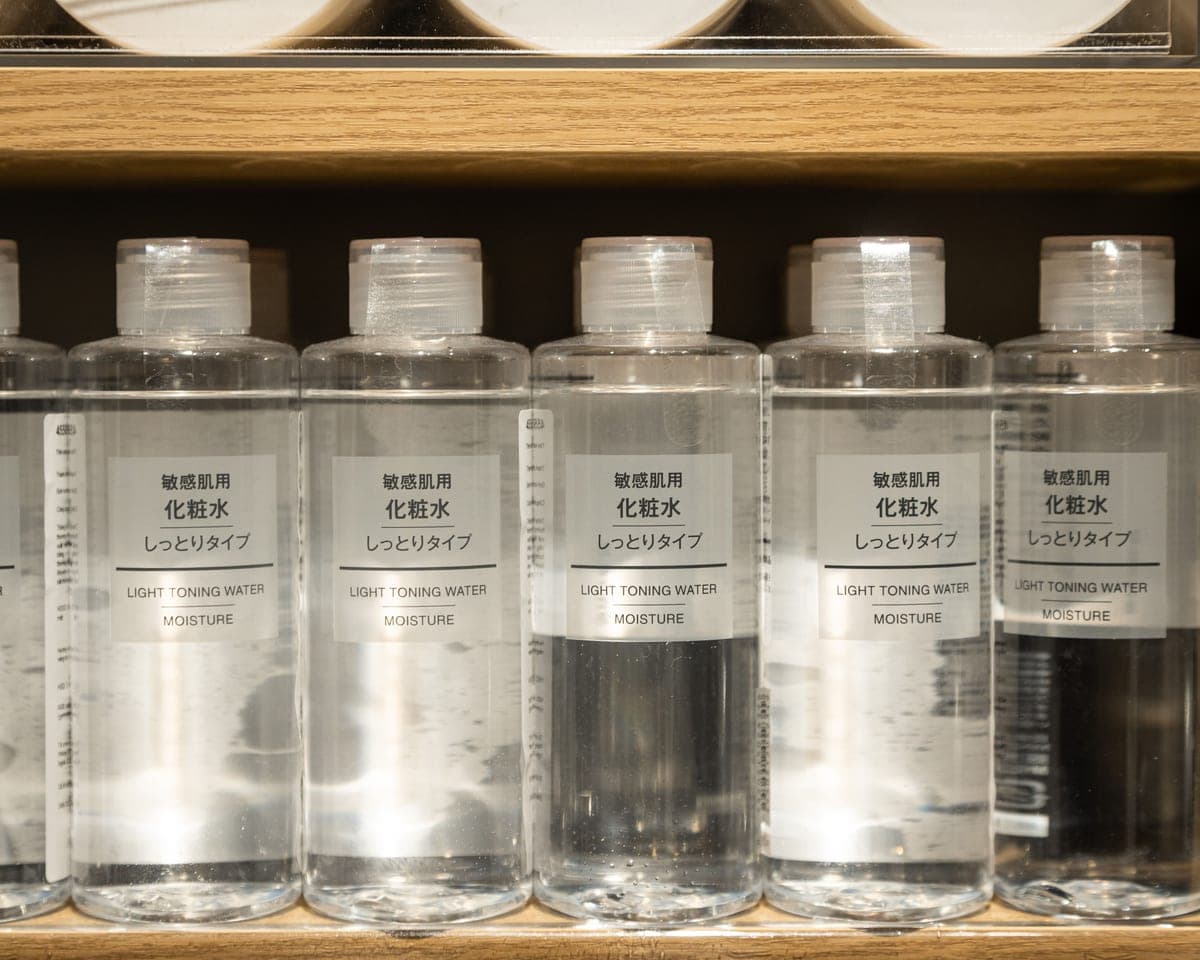
Skincare bottles arranged along a dark shelf in low light

Routines and sequencing

Guides

Layering order, which actives to start with, and concern-first routes into the ingredient pages.

Read it
Amber glass serum bottle with a dropper on a dark surface, lit from one side

Ingredient monograph

Retinol

The most studied over-the-counter retinoid. What each percentage band is for, and how to start without peeling.

Read it
Cut citrus fruit on a dark background lit from the side

Ingredient monograph

Vitamin C

The form matters more than the percentage. L-ascorbic acid versus the derivatives, and how to tell when a bottle is finished.

Read it
A swatch of rich cream on dark stone

Ingredient monograph

Ceramides

The lipid your barrier is made of. Why the cholesterol and fatty acid alongside it matter more than the ceramide percentage.

Read it
A serum bottle and dropper on a dark surface with soft side light

Sub-hub

By Concern

Aging, acne and sensitivity — each routed from the problem to the mechanism to the active.

Read it

Nothing here is medical advice. Editorial policy · How we pick · Affiliate disclosure