Note, Accord and Family: Three Different Words
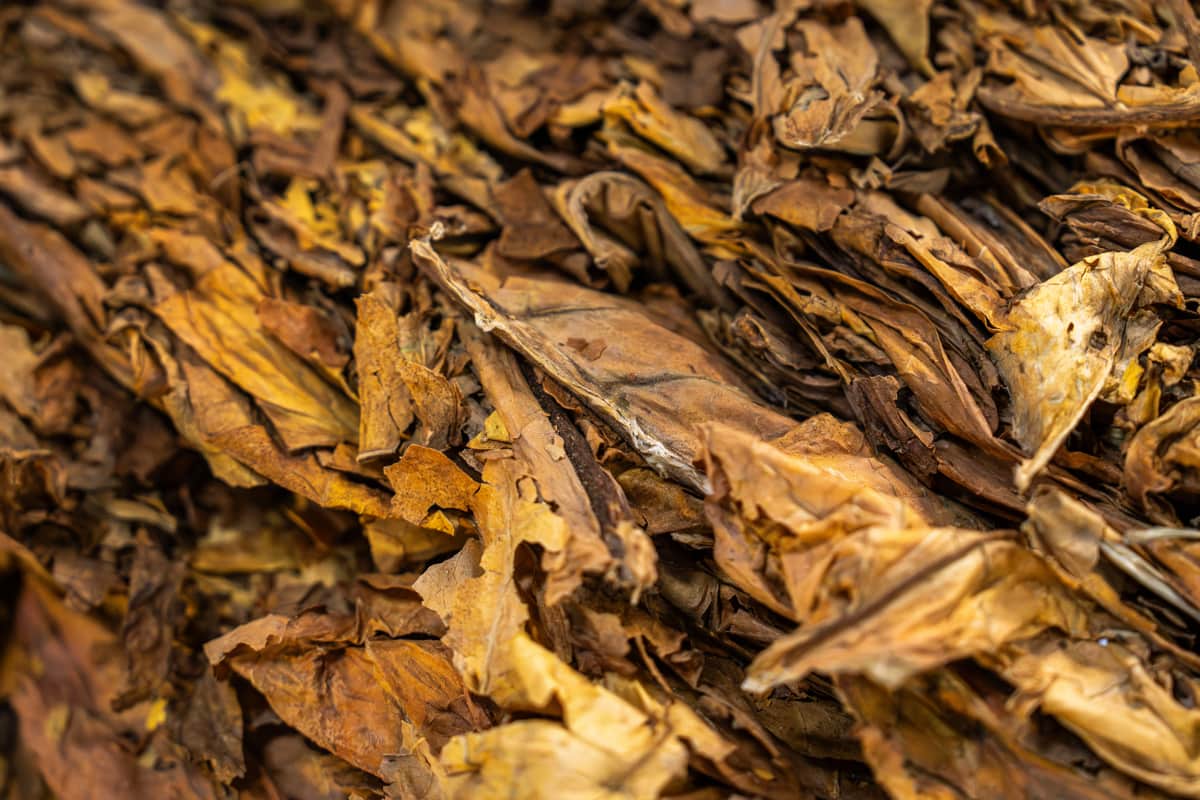
A note is a single perceptible smell — vetiver, bergamot, tobacco. An accord is a combination of materials that reads as one new thing, the way a chord reads as more than its individual pitches; the classic examples are the fougere accord and the amber accord. A family is the broad category the finished fragrance lands in.
The three words get used interchangeably in marketing copy, which is most of why fragrance descriptions feel impenetrable. Keeping them separate is the single biggest readability improvement available: notes are ingredients, accords are recipes, families are cuisines.
Natural, Synthetic, and Why a Note Is Rarely the Raw Material
When a fragrance lists sandalwood, it very often does not contain sandalwood. It may contain a synthetic sandalwood molecule, a reconstruction built from several materials, or a small amount of the natural oil supported by synthetics. All three are normal, and none is a scandal.
There are good reasons for this. Some naturals are protected or restricted — sandalwood and oud both have supply and conservation constraints. Some are restricted by regulation for sensitization reasons. Some simply cannot be extracted at all: lily of the valley and peach have no usable natural extract, so every one you have ever smelled was constructed.
The practical consequence for a buyer is that a note listing tells you the intended impression, not the contents. Reading about the material is still worth doing, because the synthetic versions are built to evoke the natural one, and the character carries across.
How Notes Behave Over Time
Materials differ enormously in volatility, and that single property determines where a note sits in a composition.
- Top notes are the most volatile — citrus, light aromatics, some green materials. They are gone within fifteen to thirty minutes and are the reason a first spray never represents the fragrance.
- Heart notes carry the middle hours. Florals, spices and softer woods live here.
- Base notes are the least volatile and last longest. Vetiver, patchouli, oud, resins, musks and most woods.
A fragrance dominated by base notes will project for eight hours and will smell almost the same at hour six as at hour two. A citrus-forward composition can be effectively over in ninety minutes. That is not a quality difference — it is the materials doing what they do. Fragrance longevity covers the implications, and how to apply perfume covers what you can do about it.