Skip to content
Glow & Gild

Fragrance note

Oud

Pronounced OOD. The most expensive and most polarizing material in perfumery, and almost never the real thing in a Western fragrance.

By Sawyer V. · Published September 8, 2026 · Last updated September 8, 2026

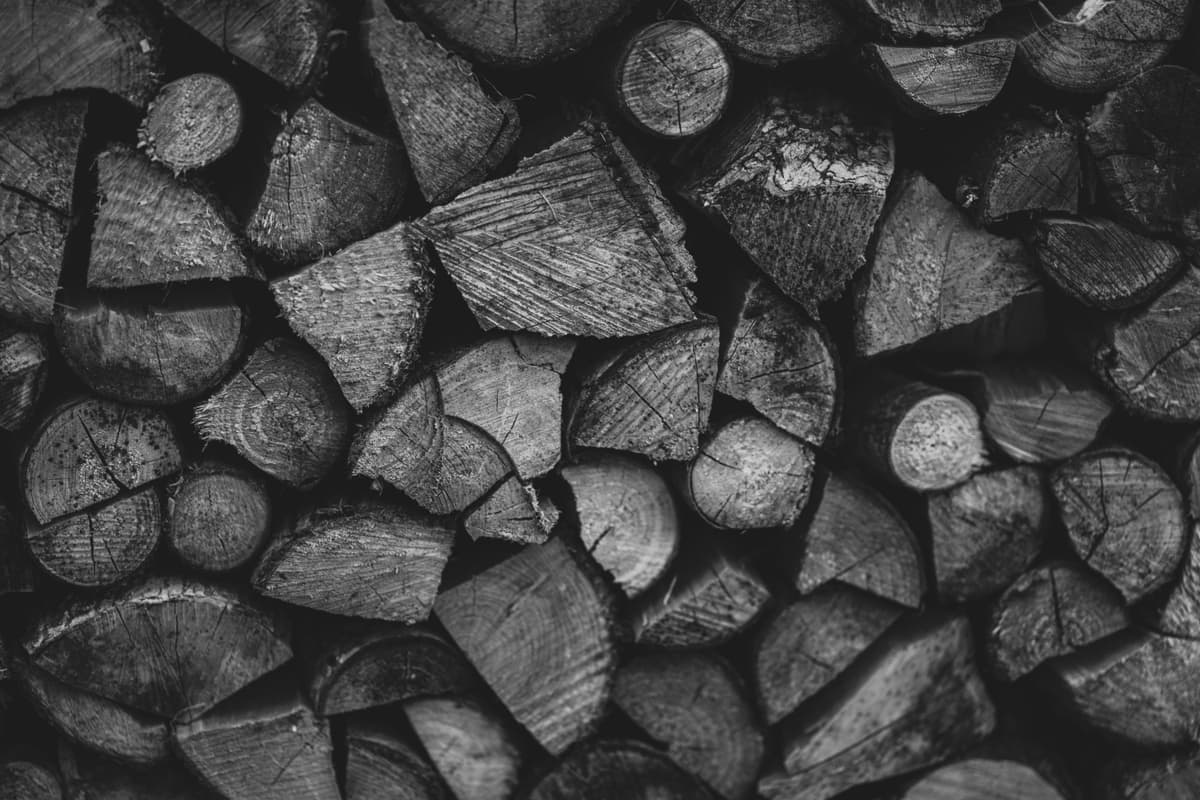
Dark agarwood chips on a textured dark surface

The short answer

Oud smells resinous, animalic and medicinal — dark wood with a barnyard edge, sometimes sweet, sometimes sour. It is the infected heartwood of the agarwood tree. Real oud is among the most expensive materials on earth, so most Western fragrances use synthetic reconstructions.

Disclosure: Glow & Gild earns a commission when you buy through links on this page, at no extra cost to you. It does not change which product we recommend, and no brand pays for placement here. Read the full disclosure.

How to Say It

OOD, rhyming with *food*. One syllable. From the Arabic for wood. You will also see it as *oudh*, *aoud* or *agarwood*, all referring to the same material.

What It Actually Smells Like

Oud is genuinely difficult to describe because real oud varies enormously by origin, tree species and age, and because the range of things it smells like has almost no overlap with normal descriptive vocabulary.

The consistent elements: dark, resinous wood at the center; a medicinal, almost antiseptic sharpness; and a animalic, barnyard undertone that is the part people either love or cannot get past. Some ouds are sweet and honeyed on top of that. Some are sour and cheesy. Some read almost leathery.

The Western synthetic reconstructions are a different and much narrower thing. They pick the dark-resinous-woody part, drop most of the animalic character, and produce something smooth, slightly sweet and sometimes rubbery. If you have smelled oud in a designer fragrance, that is almost certainly what you smelled, and it is not a fair representation of the material.

Where It Comes From

Agarwood is not a wood that grows. It is a defensive response: when a tree of the Aquilaria genus is infected by a particular mold, it produces a dark, aromatic resin to seal off the damage. That resin-saturated heartwood is oud.

Wild infection is rare — a small fraction of trees in a stand — which is the source of the scarcity. Aquilaria species are listed under CITES, and cultivated plantations with induced infection now supply a growing share of the market, which has improved the conservation position without materially lowering the price of high-grade wild material.

The oil is produced by distilling the resinous wood, and the character of the result depends on species, region, age of infection and distillation method. Cambodian, Indian and Malaysian ouds are recognizably different, in the way single-origin coffees are.

How It Behaves in a Fragrance

Oud is a base note with exceptional persistence. It is one of very few materials that can still be clearly present twelve hours after application, and it is loud enough that a small quantity dominates a composition.

Perfumers use it in two broad ways. In Middle Eastern perfumery it is frequently the subject — the composition exists to present the oud, with rose, saffron or amber supporting it. In Western perfumery it is more often a texture: a dark, resinous depth underneath a fragrance that is nominally about something else.

The classic pairing is oud and rose, which is one of the most durable combinations in perfumery — the brightness and sweetness of rose sits against the animalic darkness in a way that flatters both. Oud with saffron, with incense, and with sandalwood are the other standard treatments.

Which Families It Builds

  • [Woody](/fragrance/families/woody) — its primary home, at the dry and smoky end of the family.
  • [Amber](/fragrance/families/amber) — extremely common, since oud and resinous sweetness are natural partners.
  • Leather — oud's animalic quality overlaps with leather materials, and the two are frequently combined.
  • Floral — specifically rose, in the oud-rose combination that anchors a large part of Middle Eastern perfumery.

If you like oud, the adjacent notes worth exploring are incense for the resinous cold quality and tobacco for the sweet-animalic one.

Where to Start

One Western oud composition and one closer to the Middle Eastern tradition, so you can hear how differently the same note is treated.

No product photoNo product photograph available for Tom Ford Oud Wood Eau de Parfum

Premium Beauty listing

1The smooth Western interpretation

Tom Ford Oud Wood Eau de Parfum

What’s in it

  • Oud accord with sandalwood, rosewood and cardamom in the published note listing
  • Eau de parfum concentration
  • The composition most responsible for oud's mainstream presence in Western perfumery

It is the reference for how the West uses oud: smoothed, sweetened and made wearable, with the animalic edge largely removed. Whether you consider that a refinement or a dilution, it is the version most people mean by the word.

Who it’s not for

Anyone who wants to know what real oud smells like. This is a polished accord, not the material, and people who have smelled traditional oud oil generally find it unrecognizable.

No product photoNo product photograph available for Lattafa Oud Mood Eau de Parfum

2The Middle Eastern treatment, cheaply

Lattafa Oud Mood Eau de Parfum

What’s in it

  • Oud with rose, saffron and amber in the published note listing — the traditional supporting cast
  • Eau de parfum concentration with very high projection and persistence
  • Sold at a small fraction of niche pricing

It uses the traditional supporting structure — rose, saffron, amber — rather than the smoothed Western one, which makes it a better introduction to how the note is actually treated in the perfumery it comes from.

Who it’s not for

Anyone who wears fragrance quietly. This projects hard and lasts a very long time, which is the tradition it comes from and can be too much in a Western office.

Frequently Asked Questions

OOD, rhyming with food. One syllable, from the Arabic for wood. Also written oudh, aoud or agarwood.

Sources

Who wrote this

By Sawyer V.. An enthusiast who’s genuinely into this: I read the manufacturer documentation, compile the published percentages, and do the arithmetic. No lab coat.

What I don’t do: test products, accept free product, or accept payment for placement. I hold no clinical credential and don’t claim one. How we pick.

Published September 8, 2026 · Last updated September 8, 2026

Cut sandalwood logs showing grain, photographed in low light

Fragrance family

Woody Fragrances

The broadest family, split into dry-smoky and creamy-soft. Knowing which camp you are in narrows the field enormously.

Read it
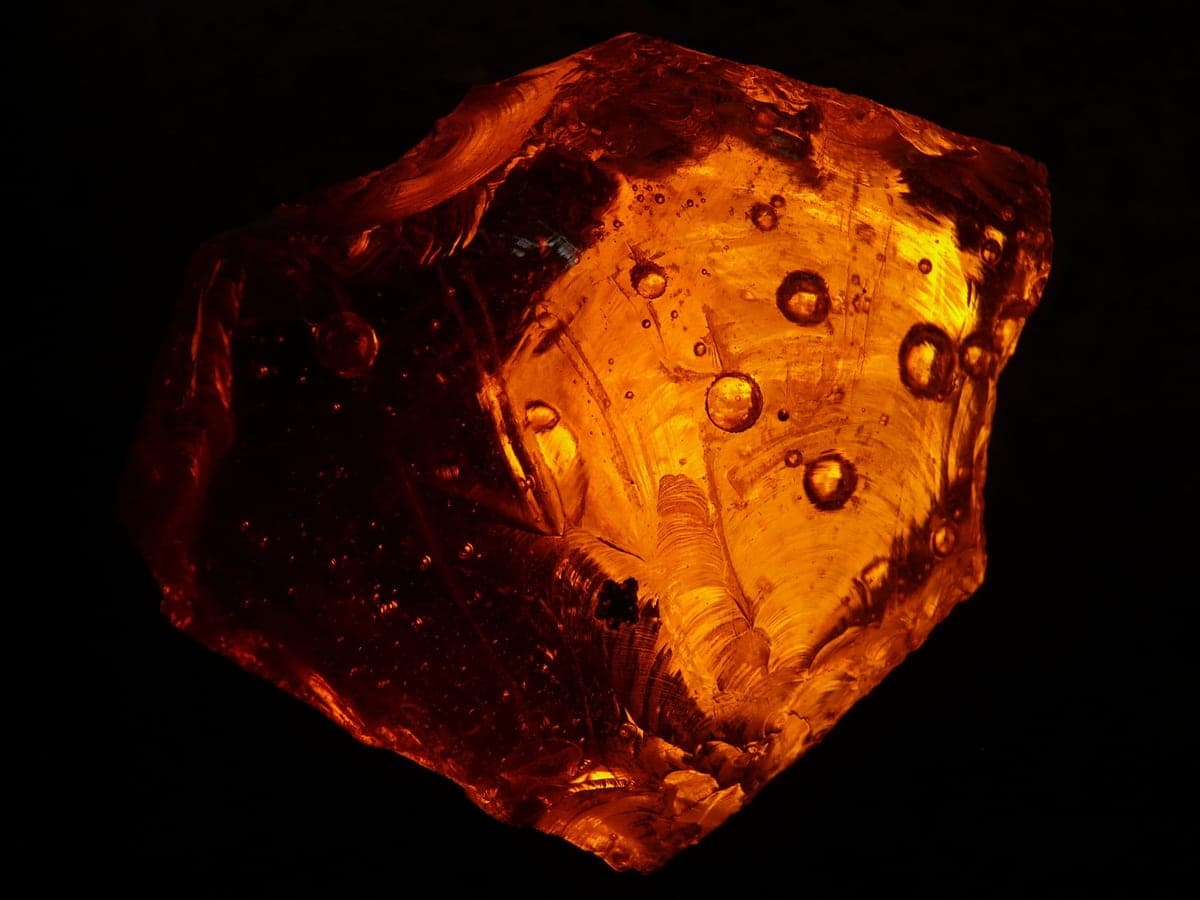
Amber resin pieces on a dark textured surface

Fragrance family

Amber Fragrances

Warm, resinous and long-lasting. Why it was renamed from oriental, and why amber is an accord rather than an ingredient.

Read it
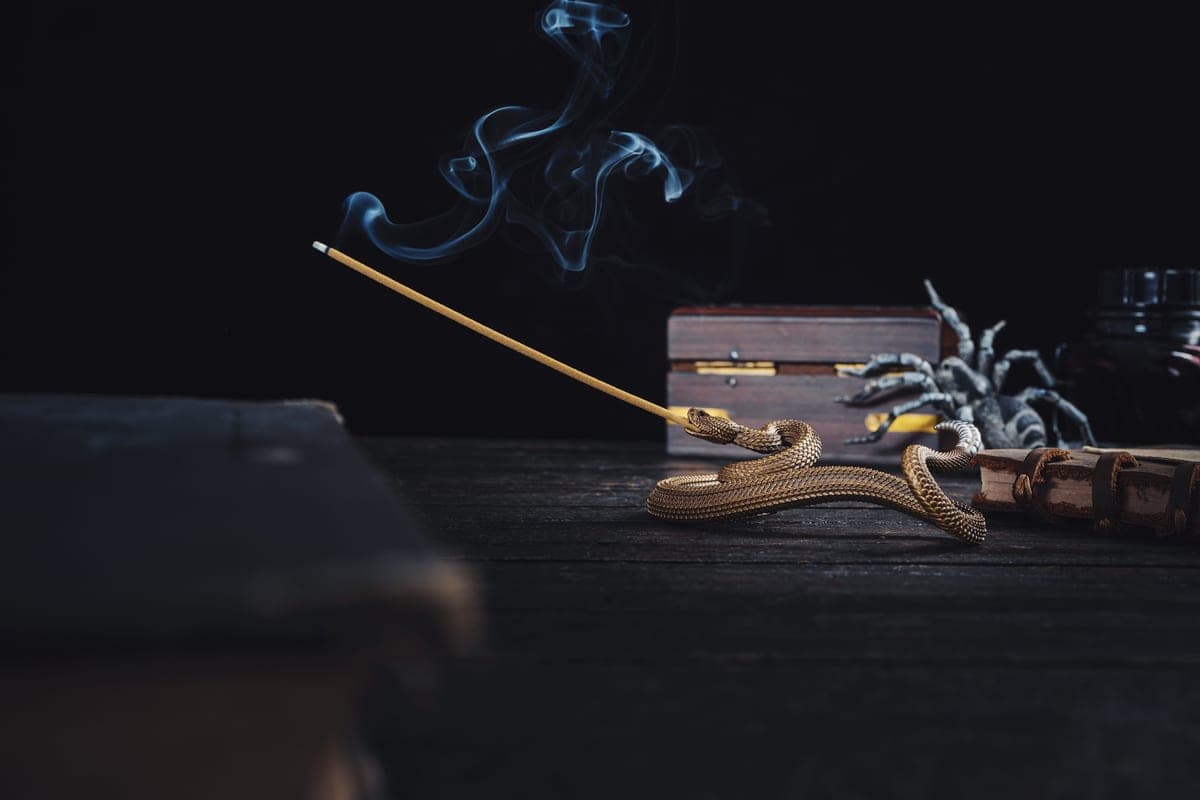
Incense smoke rising against a dark background

Fragrance note

Incense

Cold, resinous and faintly citrusy. One of the few materials that makes a fragrance feel cool without going fresh.

Read it
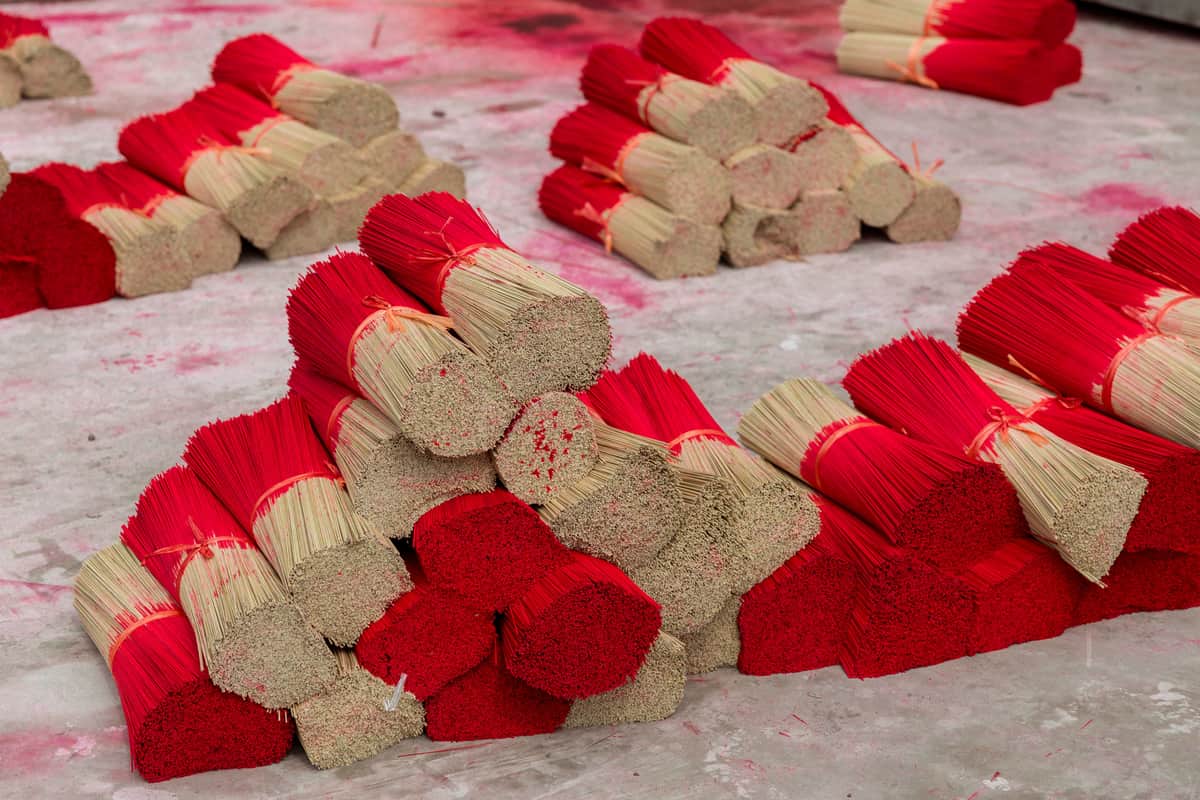
Sandalwood powder and sticks arranged on a dark surface

Fragrance note

Sandalwood

Creamy, milky and quietly sweet. The softest major wood, and the one where the synthetic is genuinely as good.

Read it
Dark agarwood chips arranged on a dark textured surface

Sub-hub

Fragrance Notes

Oud, vetiver, sandalwood, patchouli, tobacco and incense — described in sensory terms, not adjectives.

Read it

Nothing here is medical advice. Editorial policy · How we pick · Affiliate disclosure