Skip to content
Glow & Gild

Fragrance family

Woody Fragrances

The broadest and most wearable family, and the one that splits hardest into two camps: dry and smoky, or creamy and soft.

By Sawyer V. · Published September 8, 2026 · Last updated September 8, 2026

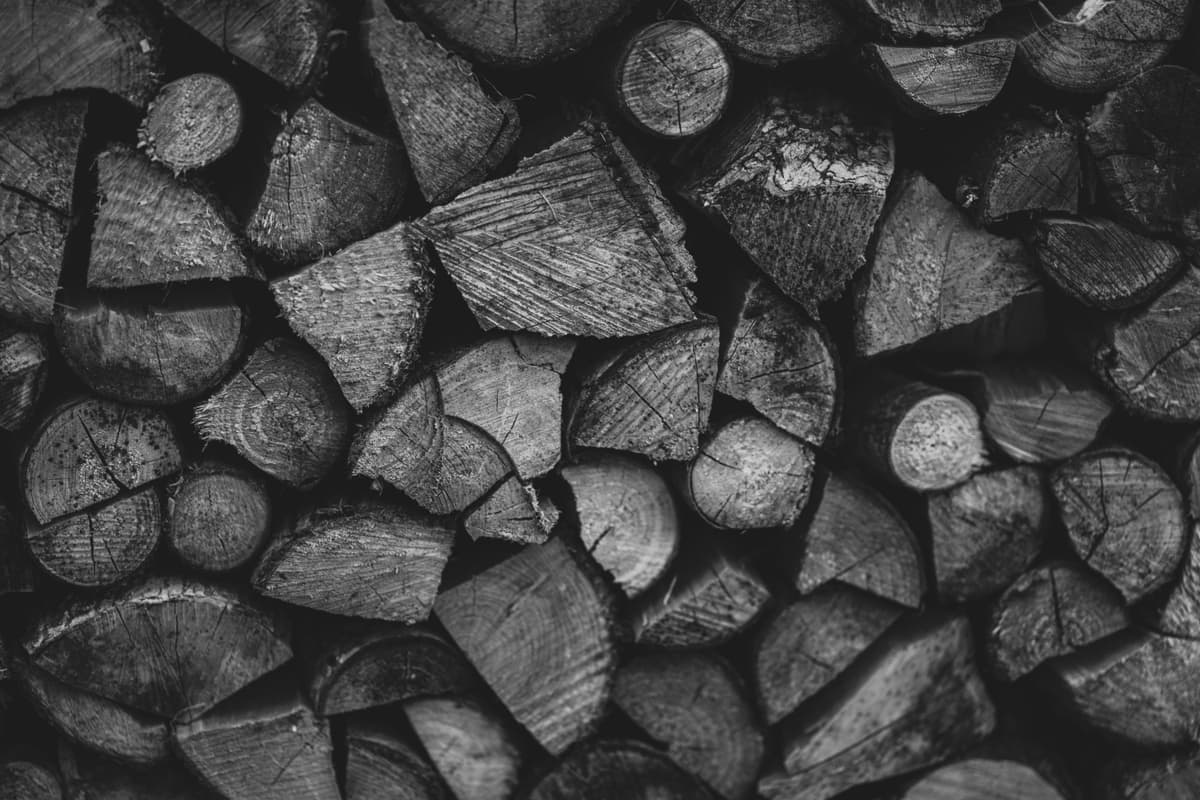
Cut sandalwood logs showing grain, photographed in low light

The short answer

Woody fragrances are built around wood materials — sandalwood, cedar, vetiver, oud, patchouli — and read as dry, warm and textural rather than sweet or fresh. The family splits into dry-smoky woods and creamy-soft woods, and knowing which you like narrows the field enormously.

Disclosure: Glow & Gild earns a commission when you buy through links on this page, at no extra cost to you. It does not change which product we recommend, and no brand pays for placement here. Read the full disclosure.

What Unites the Family

A woody fragrance is one where wood materials dominate the impression. That is a material family rather than a structural one — unlike a chypre or a fougere, there is no fixed accord you have to find. If it smells mostly of wood, it is woody.

What woods share is texture and persistence. They are base materials: low volatility, long-lasting, and structural rather than decorative. A woody fragrance is usually still recognizably itself six hours in, which is exactly what a citrus fragrance is not.

The other shared property is that woods read as dry rather than sweet. Even the creamier woods have a papery, resinous quality underneath. That dryness is why woody fragrances are the default recommendation for people who find gourmands cloying and florals fussy.

The Split: Dry Woods and Creamy Woods

This is the distinction that actually decides whether you like a given woody fragrance, and it is rarely made explicitly in product copy.

CampCharacterBuilt from
Dry and smokyPapery, austere, sometimes with a burnt or mineral edge. Reads serious.Cedar, vetiver, oud, incense, dry patchouli
Creamy and softMilky, rounded, faintly sweet without being a gourmand. Reads comfortable.Sandalwood, cashmeran, soft musks, coconut-adjacent woods

Most commercial woody fragrances sit somewhere between, but the tilt is usually obvious once you know to look for it. Sandalwood-forward compositions land creamy; cedar and vetiver compositions land dry. If a woody fragrance has ever felt harsh to you, you were probably in the dry camp and wanted the creamy one.

The Notes That Build It

  • [Sandalwood](/fragrance/notes/sandalwood) — creamy, milky, faintly sweet. The softest of the major woods and the most supply-constrained.
  • Cedar — dry, pencil-shaving, sharp. Atlas cedar is smokier; Virginian cedar is the pencil one.
  • [Vetiver](/fragrance/notes/vetiver) — a grass root rather than a wood, but filed here. Damp earth, smoke and grapefruit peel.
  • [Oud](/fragrance/notes/oud) — resinous, animalic, medicinal. The most polarizing material in perfumery.
  • [Patchouli](/fragrance/notes/patchouli) — earthy and camphorous, modernized into something much cleaner than its reputation.
  • [Incense](/fragrance/notes/incense) — frankincense and related resins, cold and smoky, often paired with dry woods.

The relationship runs both ways: each of those notes appears across several families, and a note page tells you which. That bidirectional map is the point of keeping the notes index separate from this one.

When It Works

Woody fragrances are the most season-agnostic family. The dry-smoky camp performs best in cold weather, where the persistence is welcome and the austerity reads as elegant rather than heavy. The creamy camp works year-round and is one of the few families that does not become oppressive in heat.

They are also the easiest family to wear in a professional setting. Woods project moderately rather than aggressively, they read as unremarkable at close range, and almost nobody has a strong negative association with them — which is more than can be said for a heavy amber or a big white floral.

On application: base-heavy compositions need fewer sprays than you think. Two is usually right for a woody fragrance where three or four would be reasonable for a citrus. The reasoning is in how to apply perfume.

Where to Start

One from each camp, so you can find out which side you are on before buying deeper. Both are widely available in sample sizes, which is genuinely the right way to buy fragrance.

No product photoNo product photograph available for Diptyque Tam Dao Eau de Parfum

Premium Beauty listing

1The creamy sandalwood camp

Diptyque Tam Dao Eau de Parfum

What’s in it

  • Built around a sandalwood accord with cedar and cypress in the published note listing
  • Eau de parfum concentration; also sold as an eau de toilette that reads noticeably lighter
  • One of the reference creamy-wood compositions in mainstream niche perfumery

If you want to know whether you like creamy woods, this is the clearest example widely available. It is sandalwood-forward, uncomplicated, and does not hide the material behind a large supporting cast.

Who it’s not for

Anyone who wants presence. This is a quiet, close-wearing fragrance by design, and if you are looking for something that fills a room you will find it disappointingly polite.

No product photoNo product photograph available for Lalique Encre Noire Eau de Toilette

2The dry, smoky vetiver camp

Lalique Encre Noire Eau de Toilette

What’s in it

  • Built around vetiver with cypress and cashmere wood in the published note listing
  • Eau de toilette concentration with unusually strong persistence for the format
  • Widely regarded as one of the most austere mainstream vetivers

It is the cheapest reliable way to find out whether the dry-woods camp is yours. Vetiver-dominant, unsweetened, and unmistakably in the dry register — there is no ambiguity about what you are smelling.

Who it’s not for

Anyone expecting warmth. This is a deliberately cold, ink-and-earth composition, and people who wanted a cozy wood find it bleak rather than elegant.

Frequently Asked Questions

Dry, warm and textural rather than sweet or fresh. The family splits into dry-smoky woods like cedar and vetiver, and creamy-soft woods like sandalwood.

Sources

Who wrote this

By Sawyer V.. An enthusiast who’s genuinely into this: I read the manufacturer documentation, compile the published percentages, and do the arithmetic. No lab coat.

What I don’t do: test products, accept free product, or accept payment for placement. I hold no clinical credential and don’t claim one. How we pick.

Published September 8, 2026 · Last updated September 8, 2026

Sandalwood powder and sticks arranged on a dark surface

Fragrance note

Sandalwood

Creamy, milky and quietly sweet. The softest major wood, and the one where the synthetic is genuinely as good.

Read it
Vetiver grass roots against dark earth

Fragrance note

Vetiver

Damp earth, dry smoke and a flash of grapefruit peel. A grass root that behaves like a wood, so it is filed as one.

Read it
Dark agarwood chips on a textured dark surface

Fragrance note

Oud

Resinous, animalic and medicinal. What real agarwood smells like, and why the version in your bottle almost certainly is not it.

Read it
Amber resin pieces on a dark textured surface

Fragrance family

Amber Fragrances

Warm, resinous and long-lasting. Why it was renamed from oriental, and why amber is an accord rather than an ingredient.

Read it

Nothing here is medical advice. Editorial policy · How we pick · Affiliate disclosure