How to Say It, and Why the Name Is a Joke
foo-ZHAIR, with the soft French *zh* of *measure* in the middle and the stress on the second syllable.
The word means *fern* in French, and the family is named after Houbigant's *Fougere Royale* of 1882. The joke, which perfumers have enjoyed for over a century, is that ferns have no smell at all. The composition was an invention — an imagined idea of what a fern might smell like if it smelled of anything, built from materials that suggest green, mossy, herbaceous freshness.
That makes fougere the first genuinely abstract fragrance family: it does not reproduce a natural smell, it constructs an impression. Aquatic did the same thing a century later, and for the same reason.
The Accord
| Component | Contributes |
|---|---|
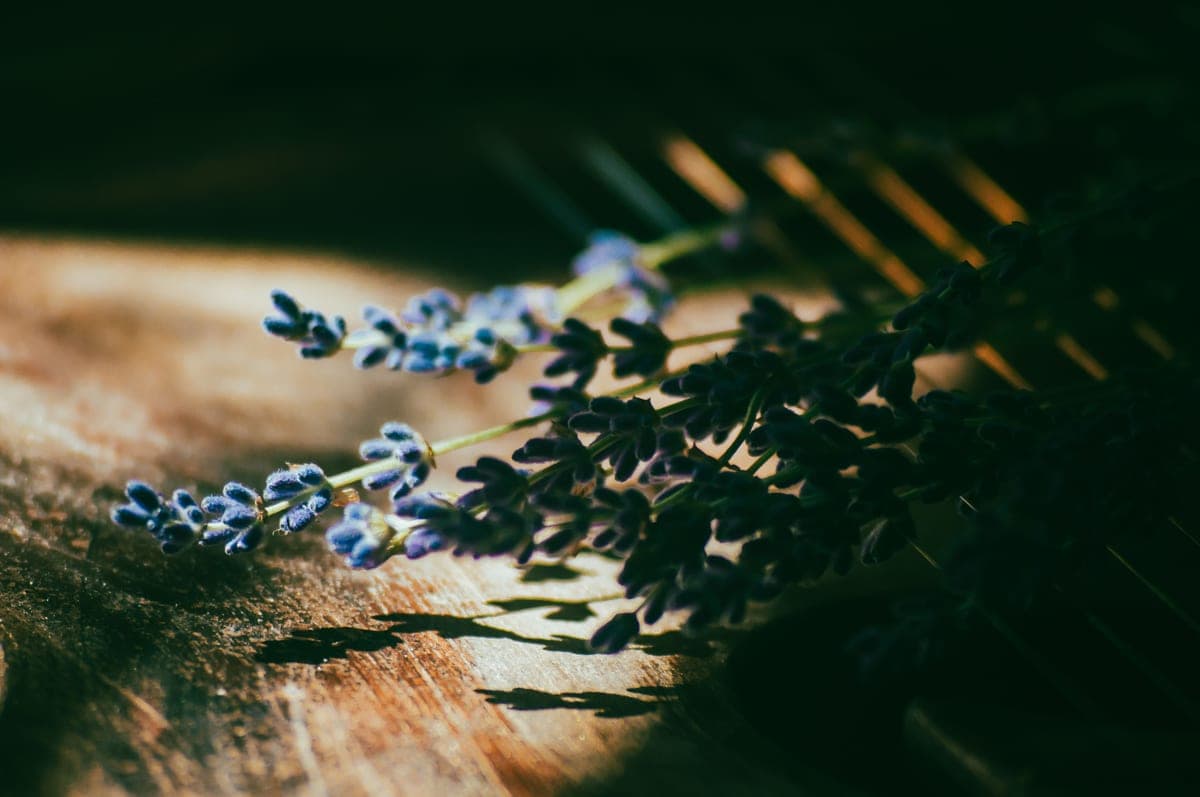
| Lavender | The herbaceous, slightly camphorous top. Clean and faintly medicinal. |
| Coumarin (from tonka bean) | Sweet hay, almond and new-mown grass. The soft heart that stops the composition being austere. |
| Oakmoss | Damp, bitter, earthy depth. Shared with the chypre family. |
| Geranium and bergamot | Standard supporting cast — green and bright respectively. |
The result is what most people mean by barbershop: clean, herbal, soapy, slightly sweet underneath. It is one of the most immediately recognizable structures in perfumery, and it is recognizable precisely because it has been used continuously for 140 years.
Coumarin was one of the first synthetics used in perfumery, isolated in the 1860s. Fougere Royale was among the first fragrances built around a synthetic material, which makes this family the beginning of modern perfumery as much as a style within it.
The Sub-Styles
The base accord has been varied more than any other structure in perfumery, and the sub-styles are worth knowing because they smell genuinely different.
- Classic fougere — lavender, coumarin, oakmoss, close to the original. Reads traditional and barbershop.
- Aromatic fougere — more herbs, more green. Rosemary, sage, basil alongside the lavender.
- Fresh or aquatic fougere — the 1990s development, adding marine and ozonic materials over the accord. This is what a great many mainstream masculine fragrances are.
- Amber fougere — the accord over a warmer, resinous base. Heavier and more evening-appropriate.
- Woody fougere — vetiver or cedar taking over from the moss. Common in modern compositions where oakmoss is restricted.
Like the chypre, this family was reshaped by the oakmoss restrictions — the shift towards woody and aquatic fougeres is partly a stylistic choice and partly a response to what perfumers can still use. See the regulation section on the chypre page for the detail.
When It Works
Fougeres are the most conventionally appropriate fragrances there are. Daytime, office, spring and autumn, any social setting where you would rather smell clean than interesting. The barbershop association is a strong one and it works in your favor in almost every professional context.
The cost is familiarity. This structure has been the default masculine fragrance for over a century, and a classic fougere will smell to most people like *a fragrance* rather than like a particular one. If you want to be identifiable by scent, look at chypre or the drier end of woody.
Fougeres are also the easiest family to over-apply, because the lavender-coumarin combination is loud at close range and people habituate to it quickly on their own skin. Two sprays is almost always enough.
Where to Start
One classical fougere and one modern aromatic interpretation, both easy to sample.