The Claim and the Evidence
The claim: refrigeration preserves your skincare, makes it more effective, and improves results.
What is genuinely true: chemical degradation reactions slow at lower temperatures. This is basic chemistry and it applies directly to unstable ingredients — L-ascorbic acid above all, which oxidizes visibly and loses potency as it does. A vitamin C serum kept cold lasts measurably longer than one kept on a warm bathroom shelf.
What is not true: cold does not make a product more effective while you are wearing it. The cooling sensation is pleasant and briefly reduces puffiness through vasoconstriction, but that is a temperature effect that a cold spoon also produces. It has nothing to do with the formula.
What to Put In It, and What Not To
| Product | Refrigerate? | Why |
|---|---|---|
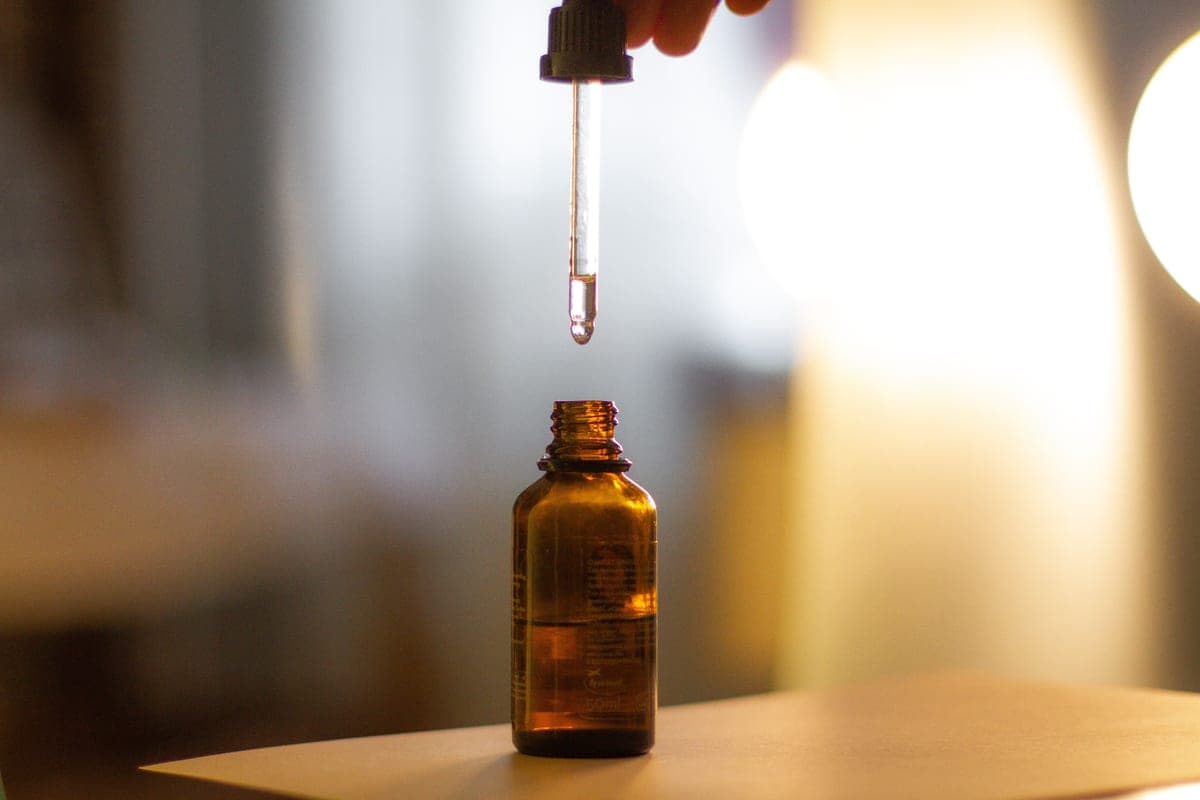
| L-ascorbic acid vitamin C serum | Yes — the strongest case | Oxidizes readily; cold measurably slows it |
| Retinol and retinal serums | Yes | Both degrade with heat and light; retinal especially |
| Sheet masks | Yes, for comfort | No preservation benefit, but the cooling is pleasant |
| Eye products and rollerballs | Yes | Cold contributes to the depuffing effect |
| Aloe and after-sun | Yes | Cooling is the point of the product |
| Facial oils | No | Can cloud or solidify; no stability benefit |
| Creams and emulsions | No | Repeated temperature cycling can destabilize the emulsion |
| Clay masks, balms, sunscreen | No | Texture suffers; no meaningful stability gain |
The pattern: water-based products containing unstable actives benefit; anything oil-based or emulsified does not. If your shelf contains one vitamin C serum and eight creams, a fridge is doing one job.
The Temperature That Matters
Cosmetic fridges typically use thermoelectric (Peltier) cooling rather than a compressor, which means they cool relative to the ambient room temperature rather than to a set point. A unit advertising a 10-degree drop in a 25-degree room reaches 15 degrees, not 10.
That is fine — 8 to 15 degrees is the useful range for slowing oxidation without risking emulsion damage. It is also why a kitchen fridge at 4 degrees is not obviously better: it is colder than necessary and considerably harder on emulsions.
What to check: whether the manufacturer states a temperature range or a differential, rather than just calling it a cooling fridge. And whether it has a warming mode, which is common and which you should leave off — warming actively accelerates the degradation you bought the device to slow.
Is It Worth Buying?
The honest answer is conditional, and it depends entirely on what you own.
Worth it if you use L-ascorbic acid vitamin C, particularly an expensive one, and particularly if your bathroom is warm. Extending a bottle from three usable months to five changes the economics meaningfully.
Not worth it if your routine is cleanser, moisturizer and sunscreen. None of those benefit, and a fridge holding three products that do not need refrigerating is furniture.
The free alternative: a kitchen fridge works, and so does simply not storing skincare in a bathroom. Heat, humidity and light are what degrade products, and a bedroom drawer solves most of that for nothing. That is genuinely most of the benefit, and it is worth saying before recommending an appliance.