Skip to content
Glow & Gild

Device

Gua Sha

A real, modest, temporary effect described accurately. It moves fluid and releases jaw tension; it does not sculpt bone.

By Sawyer V. · Published September 8, 2026 · Last updated September 8, 2026

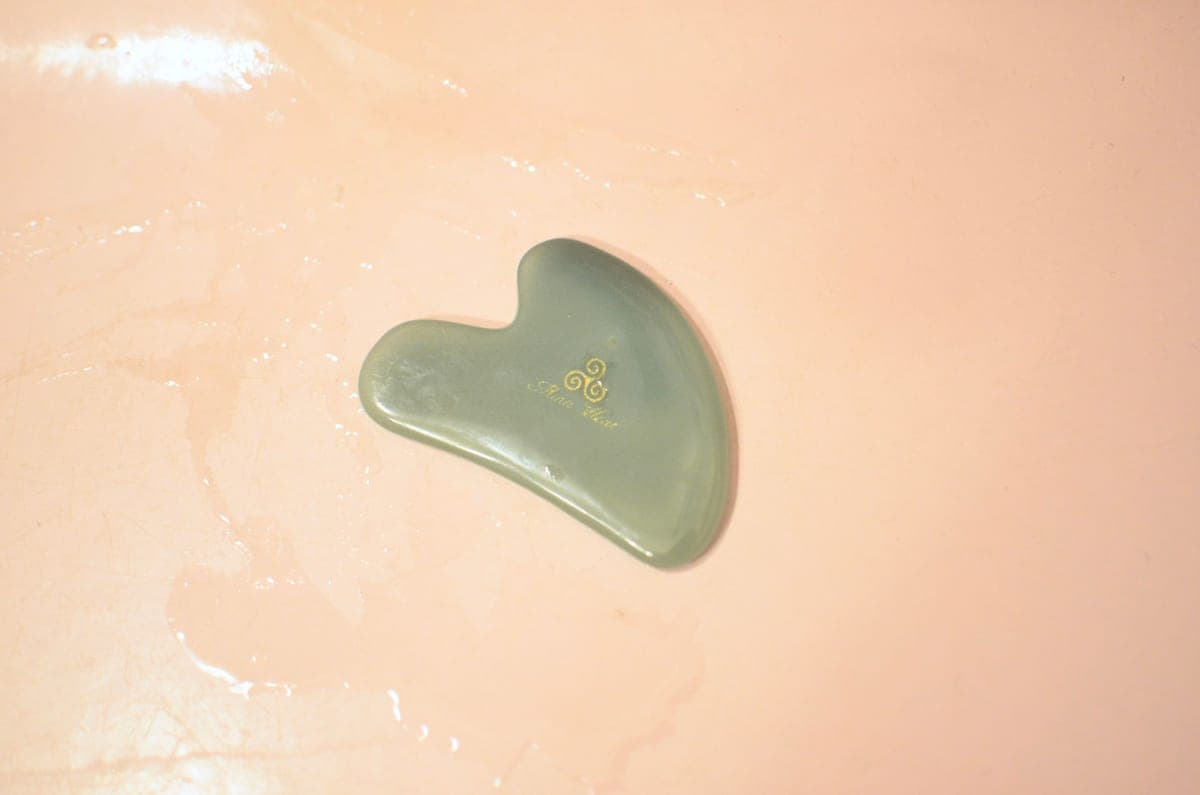
A gua sha stone resting on dark fabric

The short answer

Gua sha uses a flat stone to apply sustained pressure across the face, moving interstitial fluid towards the lymph nodes and releasing muscle tension. The depuffing and tension effects are real, modest and last hours rather than days.

Disclosure: Glow & Gild earns a commission when you buy through links on this page, at no extra cost to you. It does not change which product we recommend, and no brand pays for placement here. Read the full disclosure.

How We Picked

There is no meaningful performance variable between stones, so we ranked on shape, edge quality, cold retention and ease of cleaning. Material claims about specific crystals are not something we can source, so we do not weigh them.

Everyone in this category says they tested twenty of these. We have not tested any, and we say so. What we did instead: compiled the published concentrations and ingredient lists, checked each claim against what the formula can actually support, and wrote down who each product is wrong for. The full method is published so you can check it.

The Claim and the Evidence

The claim, in its strongest form: gua sha lifts, sculpts, tightens and permanently redefines the jawline.

What the evidence supports: manual pressure moves interstitial fluid towards the lymph nodes, reducing puffiness. Published work has measured increased local microcirculation following gua sha. Sustained pressure against tense muscle releases it, which is straightforward massage.

Where the gap sits: none of that changes facial structure. Bone does not move, fat pads do not relocate, and skin does not tighten from external pressure. The before-and-after photographs that make the strong claim are showing a depuffing effect, frequently photographed at two different times of day.

Stated accurately, the effect is still worth having. Morning puffiness is a real complaint, jaw tension is a real complaint, and a ten-dollar stone addresses both to some degree. Overselling it is what makes the category look ridiculous.

The Technique, Which Actually Matters Here

Unlike a jade roller, gua sha done wrongly can bruise or irritate. The technique is not difficult and it is not optional.

  1. Always use slip. An oil or a slippery serum, never dry skin. Squalane is close to ideal — light, non-comedogenic, enough glide.
  2. Work outward and downward, towards the lymph nodes at the jaw and the sides of the neck. Direction is the whole point; random scraping does nothing useful.
  3. Hold the stone almost flat, at roughly 15 degrees to the skin. On its edge it digs; flat it slides.
  4. Light to medium pressure. Facial gua sha should not produce the redness that body gua sha deliberately does.
  5. Three to five passes per area, five to ten minutes total.
  6. Finish at the neck, sweeping down towards the collarbone. This is where the fluid actually drains.

Materials: What Changes and What Does Not

Stone material affects cold retention, edge smoothness and durability. It does not affect efficacy. Claims about the energetic properties of particular crystals are not something we can source, so we do not repeat them.

MaterialNotes
Stainless steelHolds cold longest, easiest to sanitize, will not chip. The most practical choice.
Rose quartzStays cool well, pleasant weight, chips if dropped.
JadeThe traditional material. A great deal of what is sold as jade is dyed serpentine, which performs identically.
Bian stoneDenser, holds heat rather than cold. Preferred by some for tension work.
ObsidianVery smooth edge, brittle.

Buy on shape and edge quality. The curved edge should follow a jawline, and there should be a notch that fits over the jaw bone. A rough or uneven edge drags regardless of how expensive the stone is.

Hygiene, Which People Skip

The tool touches your face, picks up oil and skin cells, and then sits on a shelf until tomorrow. Wash it with soap and warm water after every use, and dry it properly.

This matters most for acne-prone skin, where a tool cycling bacteria back onto the face is a genuine problem rather than a fastidious one. Stainless steel is the easiest to sanitize; porous or chipped stone is the hardest.

No product photoNo product photograph available for Generic Stainless Steel Gua Sha Tool

1Cold retention and easy cleaning

Generic Stainless Steel Gua Sha Tool

What’s in it

  • Holds cold substantially longer than stone, which is part of the depuffing effect
  • Non-porous and dishwasher-safe, so hygiene is straightforward
  • Will not chip or crack if dropped

Cold retention and cleanability are the two variables that genuinely differ between tools, and steel wins both. For acne-prone skin in particular, a non-porous tool is the sensible choice.

Who it’s not for

Anyone who dislikes the weight or the sensation of metal on skin. That is a real preference rather than a flaw, and a stone tool does the same job with a different feel.

No product photoNo product photograph available for Generic Rose Quartz Gua Sha Stone

2The traditional feel at low cost

Generic Rose Quartz Gua Sha Stone

What’s in it

  • Curved edge with a jaw notch, the standard facial shape
  • Stays cool for a reasonable period; pleasant weight in the hand
  • Inexpensive and widely available

The classic shape at a price that makes trying the practice trivial. If you have not done facial gua sha before, spending very little to find out whether you will keep it up is the right approach.

Who it’s not for

Anyone likely to drop it on a tiled floor, and anyone with active acne who wants the easiest tool to sanitize. Quartz chips, and stone is more porous than steel.

Skip This One

Gua sha tools sold on crystal properties rather than shape

There is a tier of facial gua sha tools priced several times higher than the picks above, differentiated by the metaphysical properties attributed to the stone rather than by anything about the tool. We cannot source those claims, so we do not evaluate them — but we can point out what the extra money is not buying: a better edge, better cold retention, or a better effect. What actually differs between tools is the curve of the edge, whether there is a notch that fits a jawbone, how smooth the finish is, and how easy it is to clean. Buy on those, and treat the stone as a preference rather than a specification.

Frequently Asked Questions

For temporary depuffing and jaw tension release, yes. It moves interstitial fluid and releases muscle tension. It does not lift, sculpt or change facial structure.

Sources

Who wrote this

By Sawyer V.. An enthusiast who’s genuinely into this: I read the manufacturer documentation, compile the published percentages, and do the arithmetic. No lab coat.

What I don’t do: test products, accept free product, or accept payment for placement. I hold no clinical credential and don’t claim one. How we pick.

Published September 8, 2026 · Last updated September 8, 2026

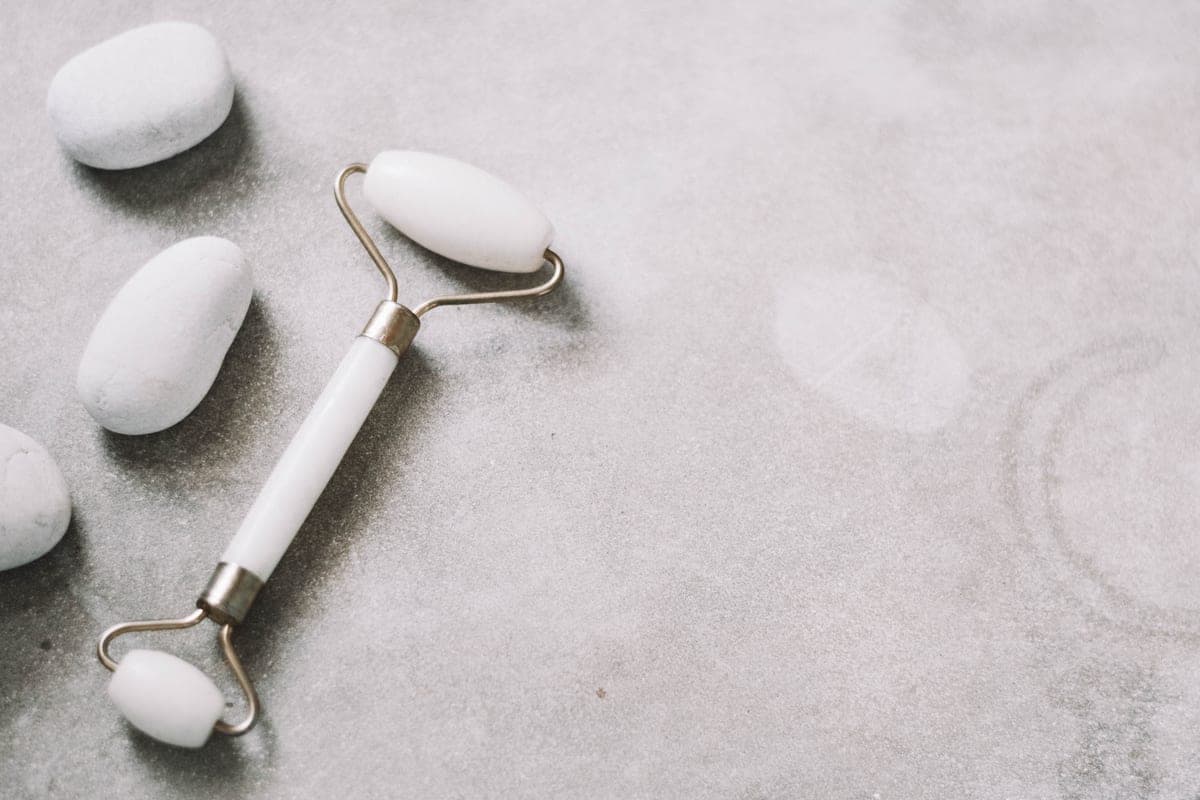
A jade facial roller on a dark surface

Device

Jade Rollers

Useful for one thing — morning puffiness — and honest about the rest. Most of the effect is the cold.

Read it
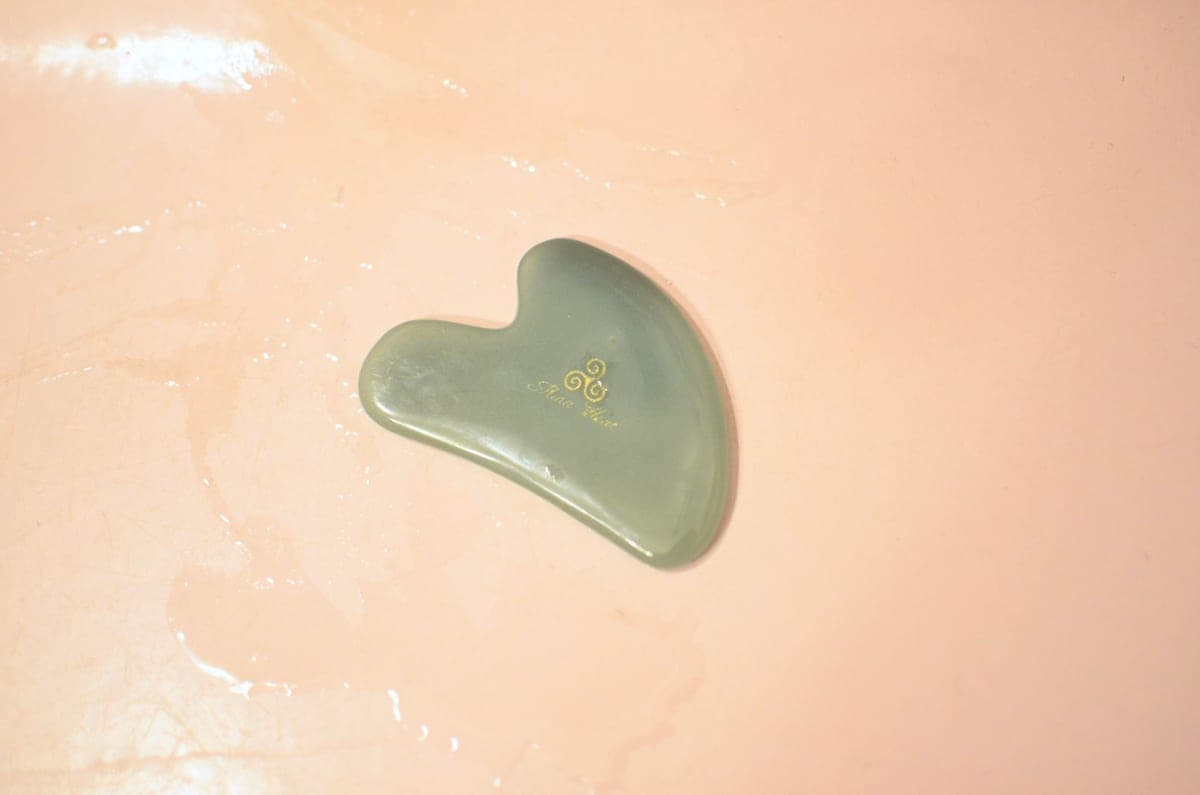
A jade gua sha stone resting on a dark textured surface

Devices and accessories

Tools

Six devices, with the claim and the published evidence stated separately for each.

Read it
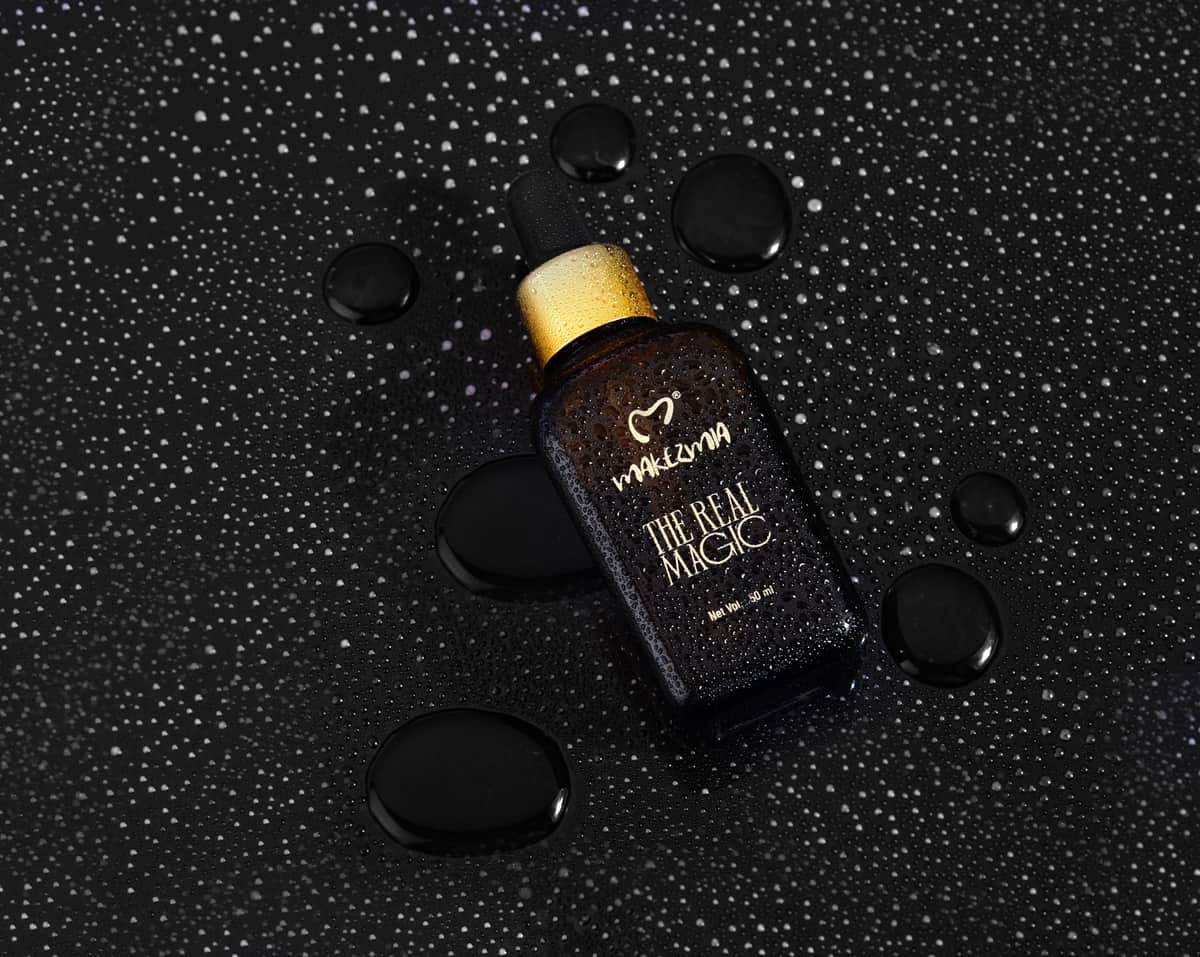
Golden facial oil in a dropper against a dark background

Ingredient monograph

Squalane

A stable version of a lipid your own skin makes. No dose, no downside, and a sourcing question worth asking.

Read it
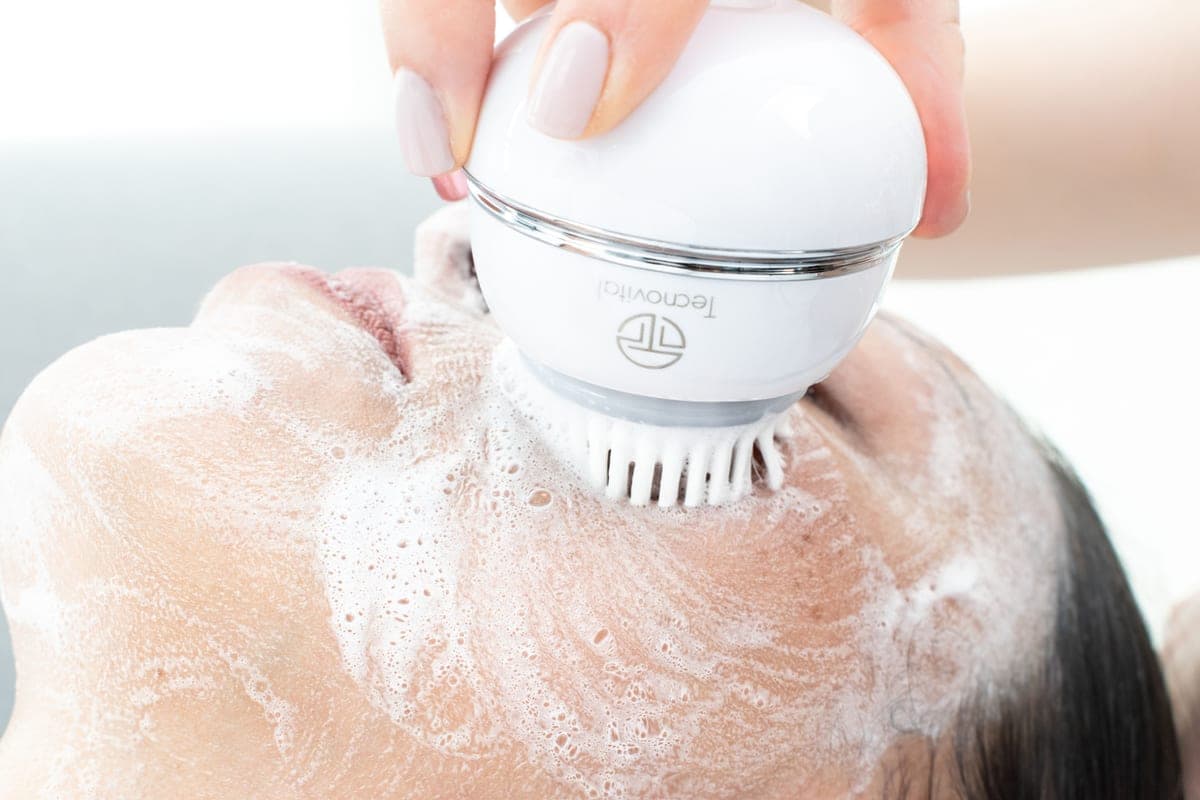
A handheld facial device on a dark surface

Device

Microcurrent Devices

Works the way exercise works — gradual, real, and it reverses when you stop. The daily habit is the actual product.

Read it
Silk fabric draped over a pillow in low light

Accessory

Silk Pillowcases

A friction-reduction device with a real mechanism and oversold claims. What momme means, and why satin is not silk.

Read it

Nothing here is medical advice. Editorial policy · How we pick · Affiliate disclosure