Where to Apply
Pulse points work because skin is warmer there, and warmth drives the evaporation that carries fragrance into the air. The classic sites are the wrists, the sides of the neck, behind the ears and the inner elbows.
Clothing is underrated and does something different. Fabric holds fragrance far longer than skin — sometimes days — and releases it as you move, which is the mechanism behind sillage. Spraying a scarf, a jacket lapel or a shirt collar extends a fragrance considerably.
Two cautions on clothing. Test an inconspicuous area first: some fragrances, particularly dark or heavily colored ones, stain. And silk and other delicate fabrics can mark permanently — spray the lining rather than the outside.
Hair holds fragrance well and is a legitimate application site, but alcohol is drying, so spray it into the air and walk through rather than directly onto hair, or use a dedicated hair mist.
How Much Is Right
This is where almost everyone gets it wrong, and the reason is physiological rather than aesthetic: you stop smelling your own fragrance within fifteen to thirty minutes, while everyone around you does not. The natural response is to apply more next time, and that is exactly backwards.
| Fragrance type | Sprays | Reasoning |
|---|---|---|
| Amber, heavy woody, oud | 1 to 2 | Base-heavy and persistent. One spray is a genuine dose. |
| Chypre, fougere | 2 to 3 | Moderate persistence, moderate projection. |
| Citrus, aquatic, eau de cologne | 3 to 4, and reapply | Volatile materials. Under-applying wastes the fragrance entirely. |
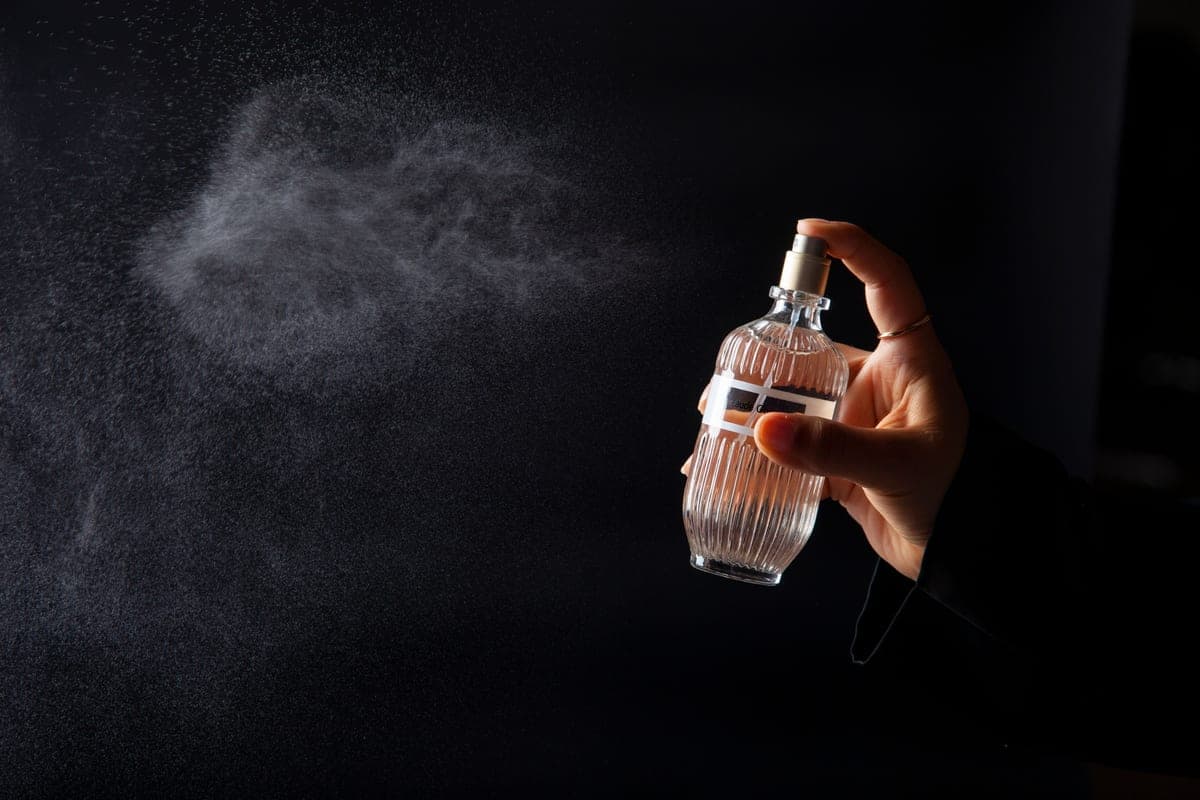
Hold the atomizer about 15 cm from the skin. Closer produces a concentrated wet patch; further wastes most of it into the air. Spray, do not dab — atomizing distributes the material far more evenly than a dab from a bottle rim.
The Mistakes Worth Correcting
- Rubbing your wrists together. The friction and heat accelerate the evaporation of the top notes and can bruise the composition. Spray and leave it alone.
- Applying to dry skin. The single biggest avoidable loss of longevity. An unscented moisturizer underneath is close to free and adds hours — see fragrance longevity.
- Storing the bottle in the bathroom. Heat, humidity and light all degrade fragrance, and a bathroom has all three. A drawer or a cupboard is genuinely better.
- Judging a fragrance at the counter. You are smelling the first ten minutes of a composition designed to last eight hours. Take a sample and wear it for a day.
- Applying more because you cannot smell it. Olfactory fatigue, not fade. Ask someone before you increase the dose.
- Layering fragrances without thinking. Two good fragrances frequently make one bad one. If you layer, use a simple base and a distinct top.
Storing a Bottle So It Lasts
Fragrance degrades. Oxygen, light, and temperature swings all break down aromatic materials, and citrus-heavy compositions degrade fastest of all.
- Keep it in a drawer or cupboard, away from windows and radiators. Cool and dark, consistently.
- Leave it in the box if you have it. The box is genuinely functional rather than packaging.
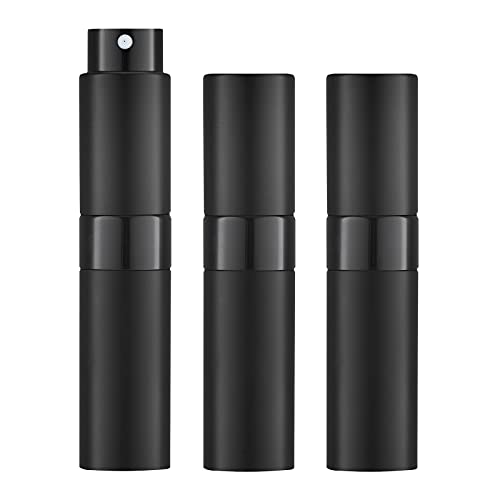
- Do not decant into a clear atomizer for long-term storage. Travel atomizers are for travel; the main bottle should stay sealed.
- Keep the cap on. Alcohol evaporates and oxygen enters through an open sprayer over months.
- Expect three to five years from an opened bottle, and longer from an unopened one. Base-heavy fragrances age better than citrus.
- A change in color or a sour, sharp top note means the composition has turned. The base may still be usable, and it will not smell as intended.
Two Things That Genuinely Help
Neither of these is a fragrance. They are the two purchases that make the biggest practical difference to how a fragrance performs — an unscented base layer and a way to reapply.