The Claim and the Evidence Are Different Things
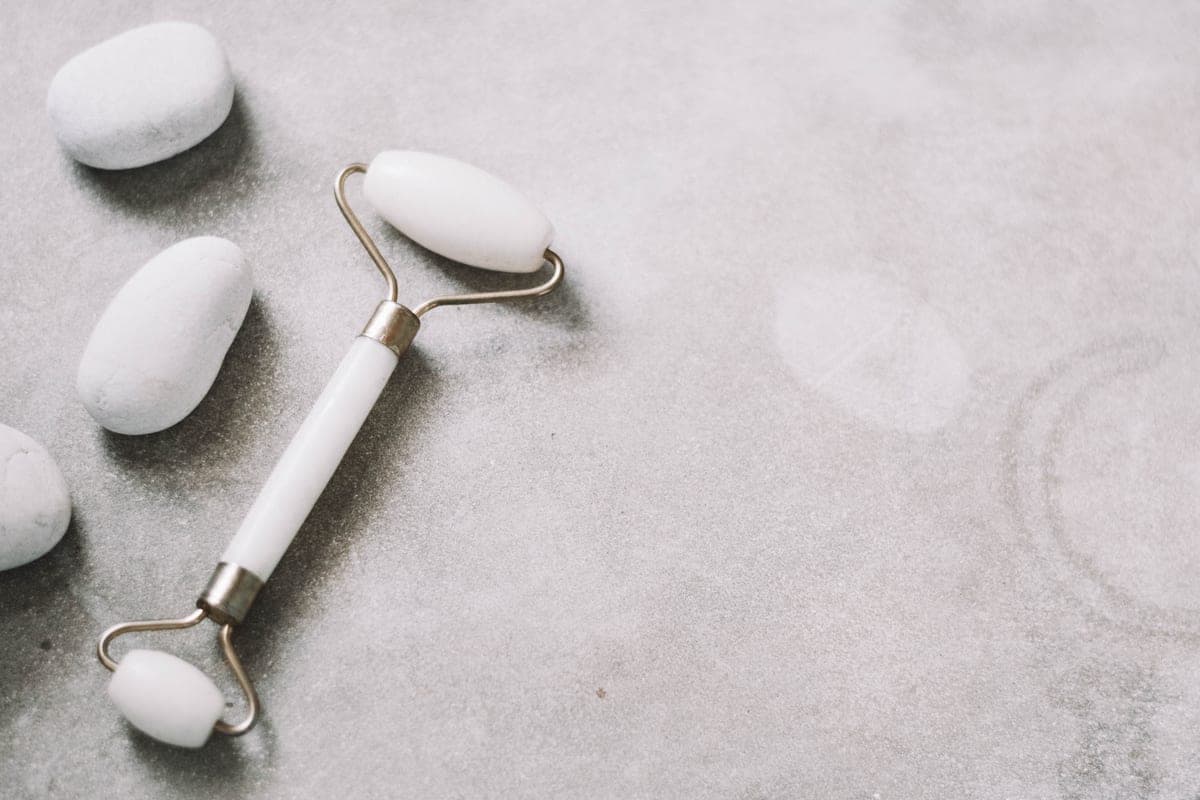
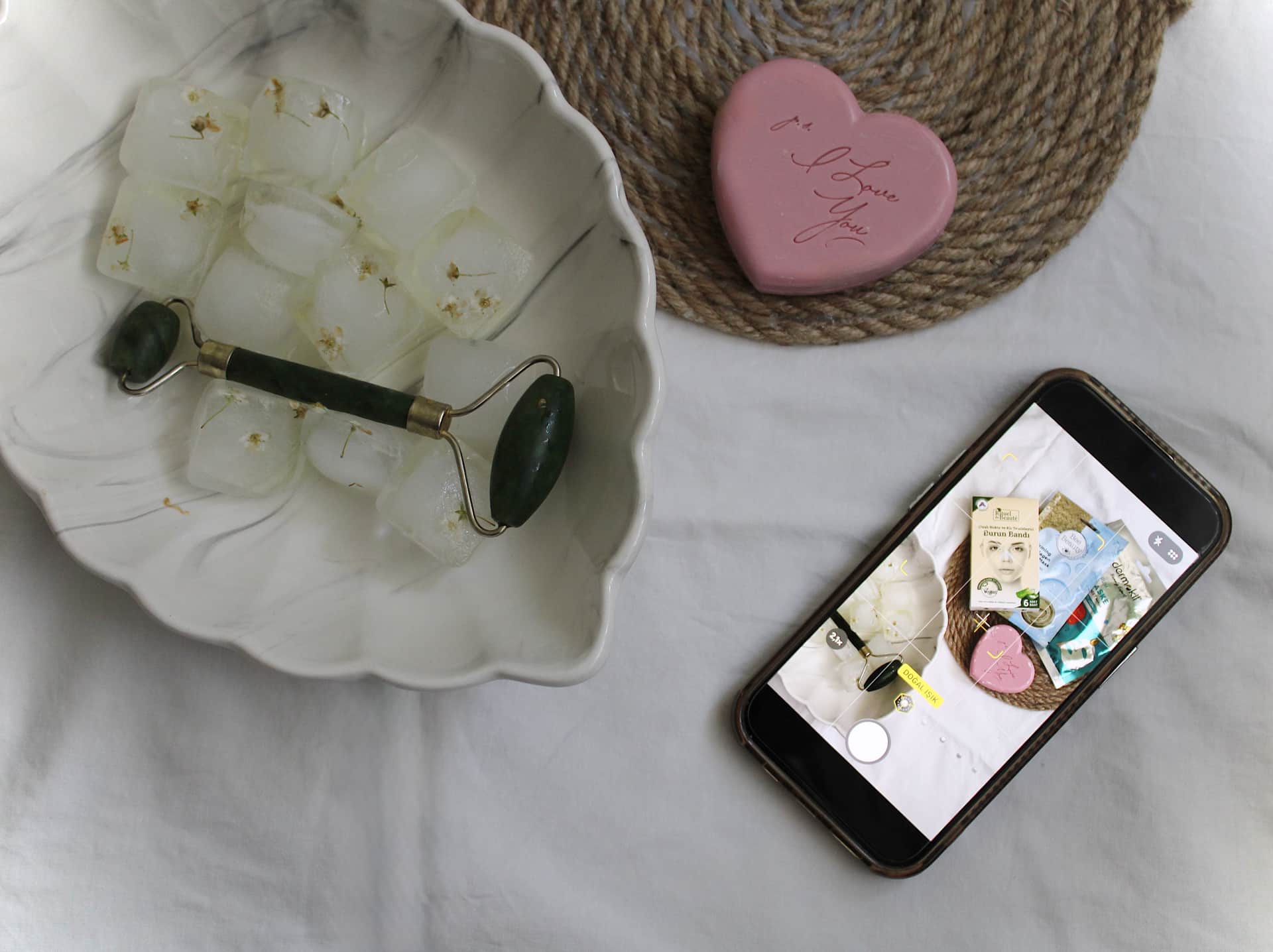
Devices are the part of this category where marketing runs furthest ahead of data, and they are also where the price gap between the cheapest and most expensive product is widest. A jade roller costs a few dollars; a microcurrent device costs several hundred. Neither price reflects the strength of the evidence behind it.
So every tool page here separates two questions that product pages routinely merge. What does the device claim to do? And what does the published evidence actually support? Where those answers diverge, the page says so plainly, including on devices we recommend.
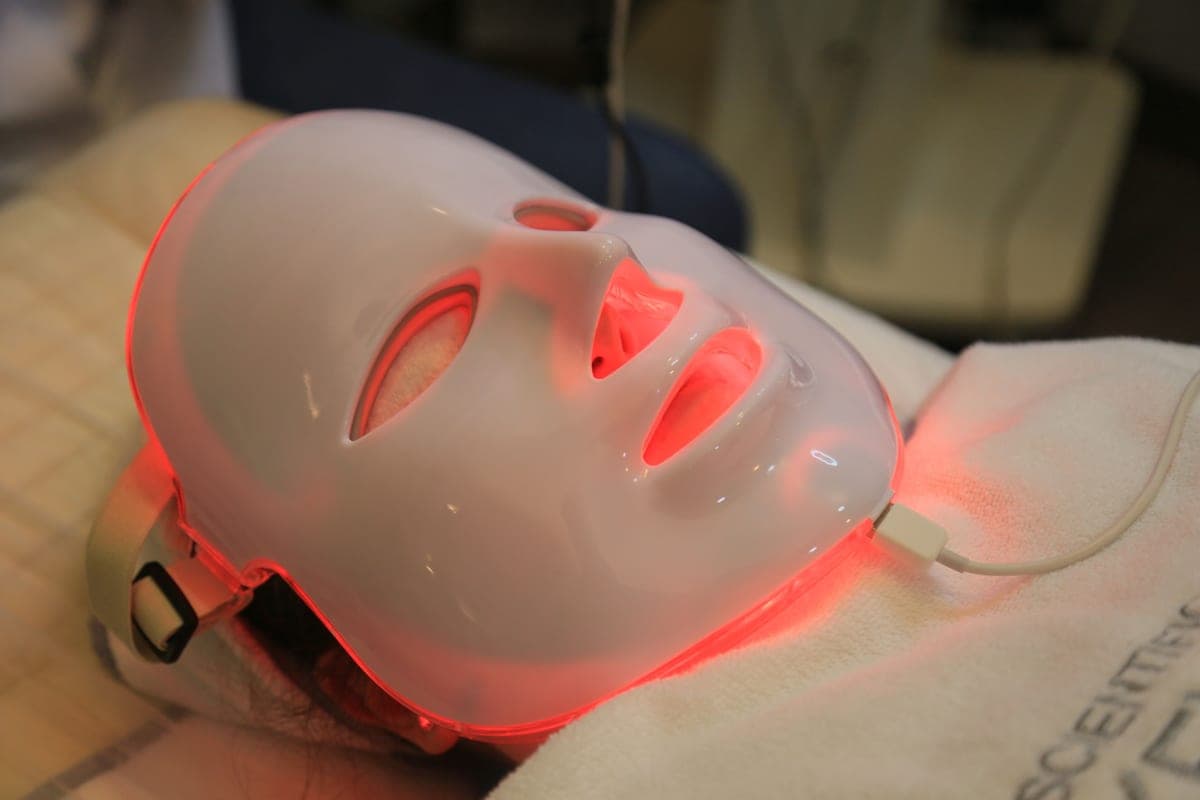
That is not skepticism for its own sake. Some of these devices have real, well-documented effects — LED photobiomodulation has a substantial literature. Others have a real but modest effect that is often overstated. And at least one has essentially no mechanism beyond feeling pleasant, which is a legitimate reason to own something and a poor reason to pay a lot for it.
What to Buy First, If Anything
The honest ordering, which is not the ordering the category's pricing implies:
- A silk or satin pillowcase, if friction and hair breakage are a concern. Cheap, low-risk, and the mechanism is straightforward friction reduction rather than anything metabolic.
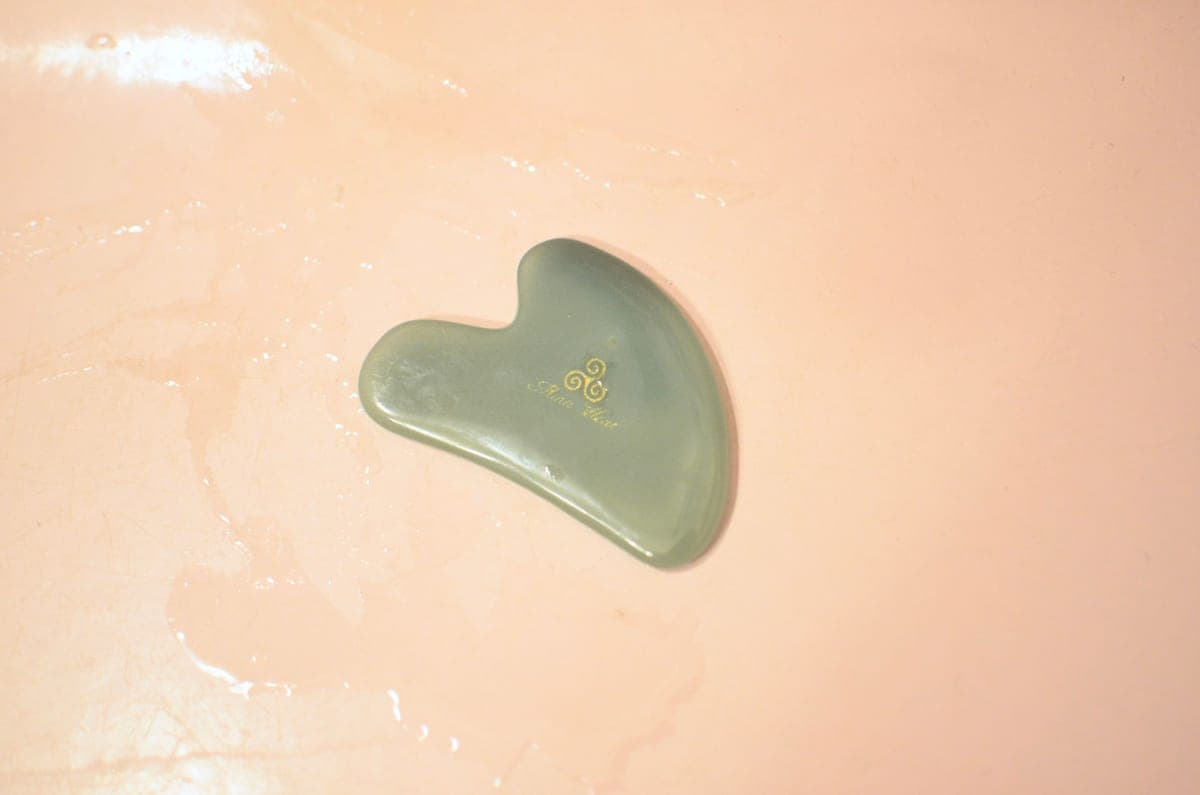
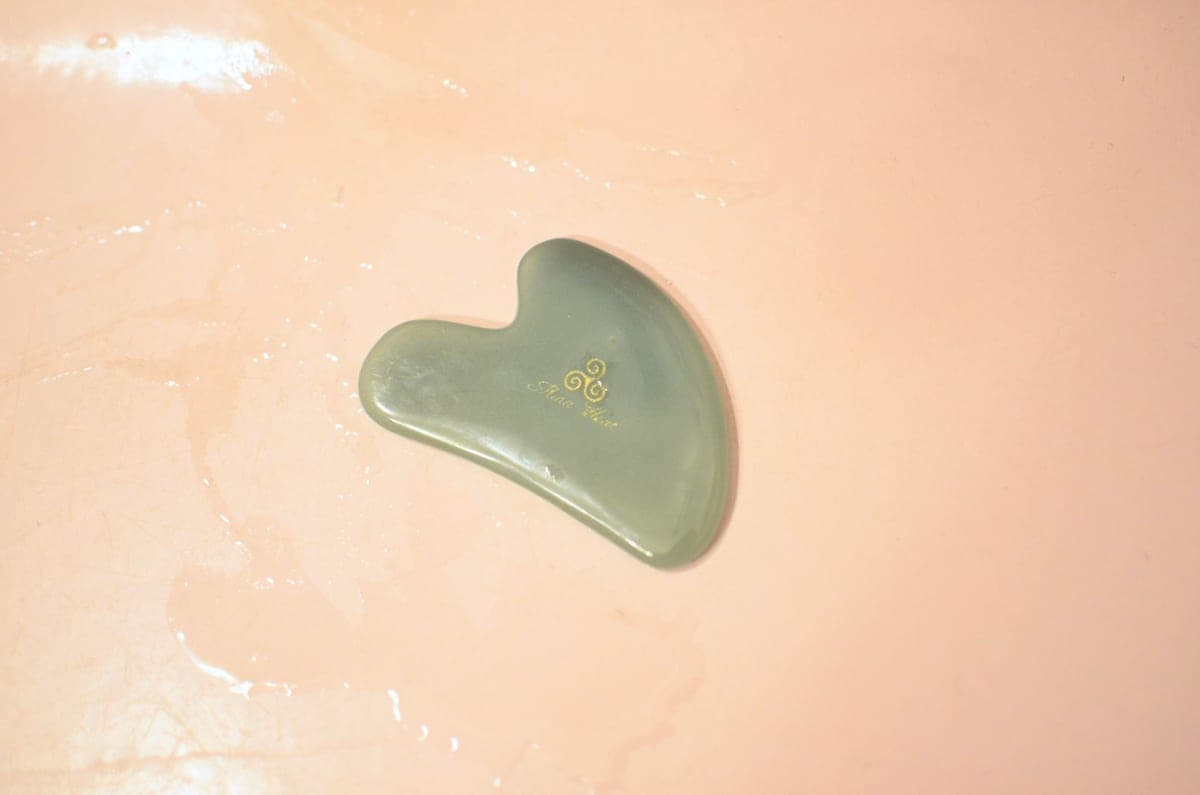
- A gua sha stone, if you want the lymphatic and tension effects. Effective at what it does, and what it does is more modest than the before-and-after photographs suggest.
- An LED mask, if you have a specific concern it addresses and the budget to buy one with published irradiance figures. This is the device category with the strongest literature and the widest quality spread.
- A skincare fridge, only if you own an unstable active. It genuinely slows the degradation of a vitamin C serum, and does nothing at all for a moisturizer.
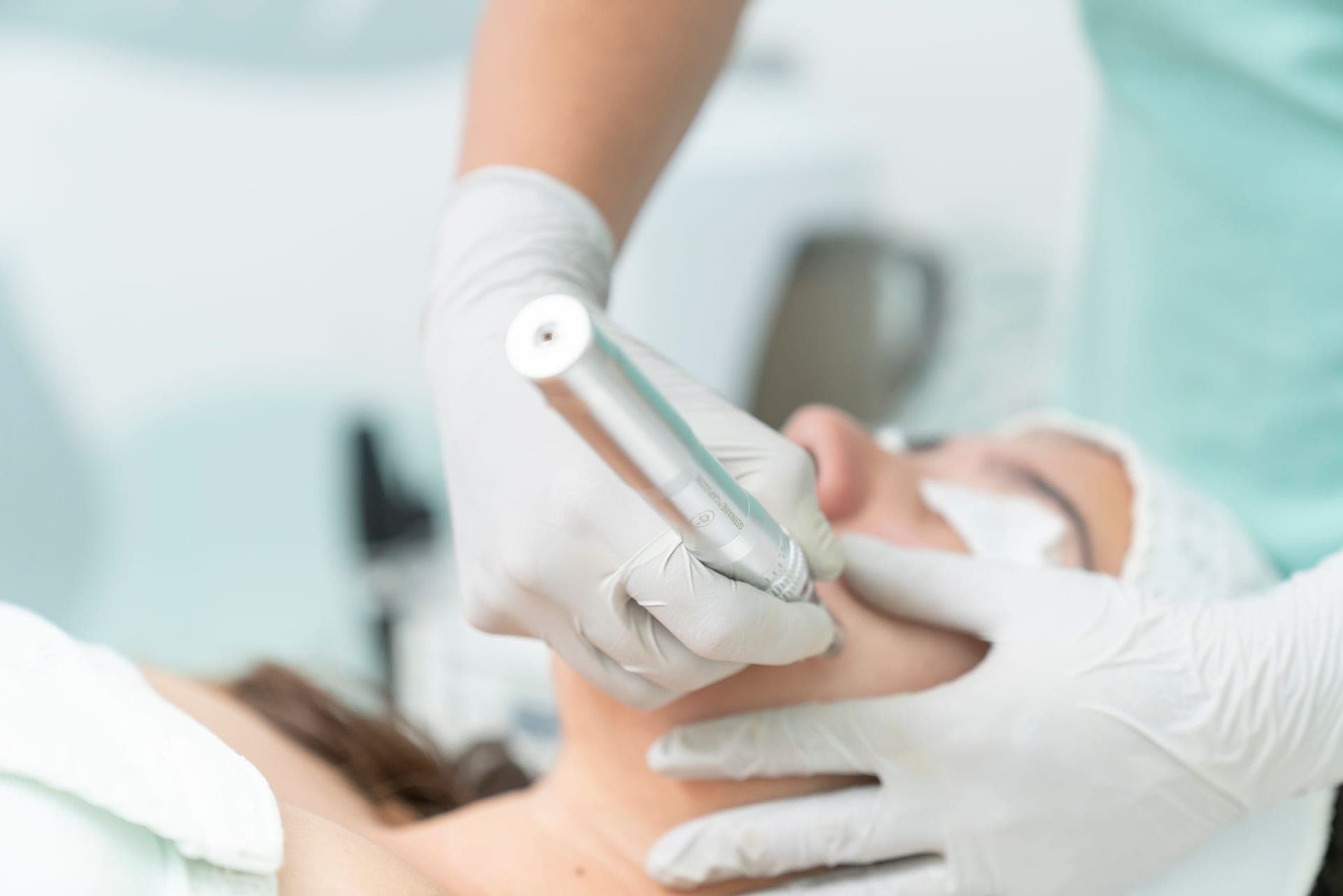
- A microcurrent device, last. The effect is real, cumulative and entirely dependent on continued use, which makes it the highest-commitment purchase on the list.
A device is never the highest-value purchase available. If your routine does not yet include daily sun protection and a retinoid, buy those first — the return on a $300 device without them is close to zero.
Where Device Claims Cross a Line
Two claims are worth treating as red flags whenever you see them on a device listing.
Medical or therapeutic claims. A cosmetic device that describes itself as treating a medical condition is either regulated as a medical device or is making a claim it should not. Wording matters: *supports the appearance of* is cosmetic; *treats* is medical.
Implied clearance the product does not hold. Language that gestures at regulatory approval without stating it — clinically proven, dermatologist grade, professional class — is doing work that a real clearance number would do better. Where a device genuinely holds a clearance, the manufacturer will say which one.
We do not claim to have tested any of these devices, and we do not publish before-and-after photographs. What we publish instead is what the manufacturer states, what the literature supports, and where the gap between them sits.