Skip to content
Glow & Gild

The reference layer

Skincare Ingredients

One page per ingredient, written for the person who searched the ingredient rather than the product. Mechanism first, percentages stated, picks last.

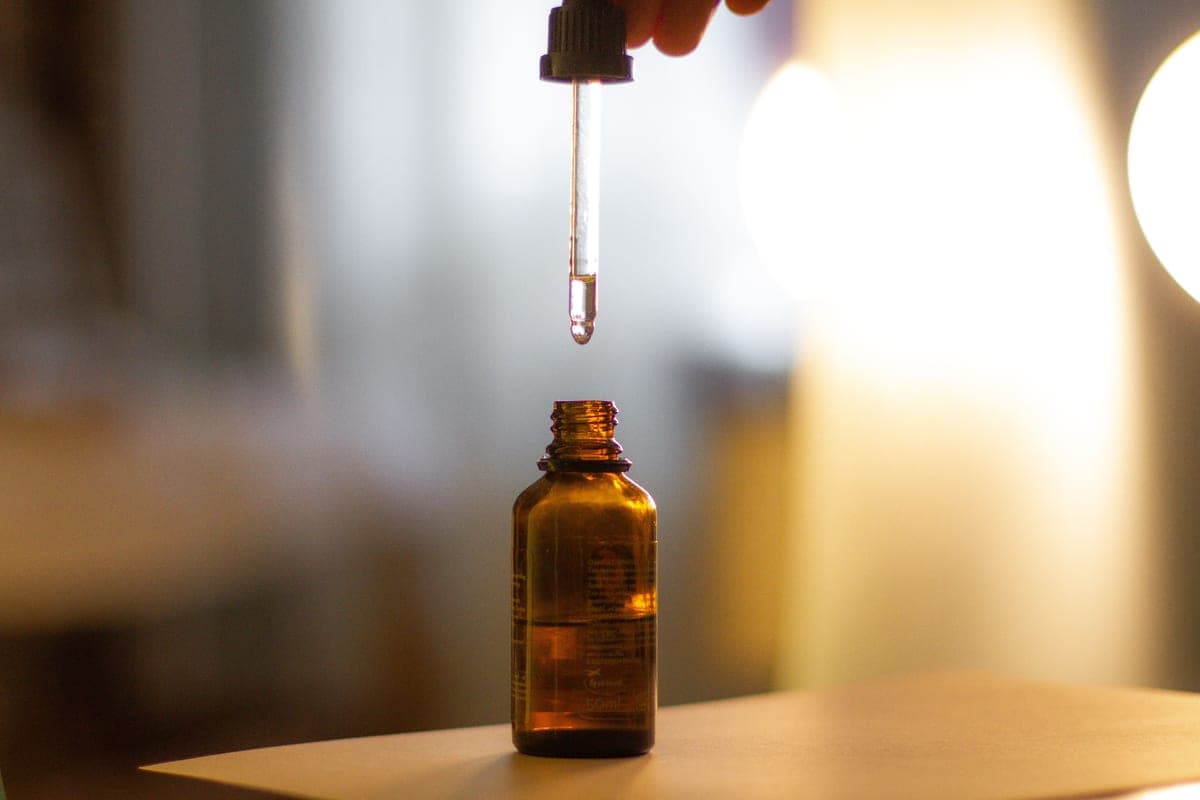
Serum dropper bottles arranged on a dark surface with directional lighting

Why We Organize by Ingredient

Most skincare content is organized by product, because products are what get sold. That is a poor match for how people actually search. Someone typing azelaic acid 15 is not looking for a shopping list; they want to know what the difference between 10% and 15% buys them, and whether the cheaper one will do.

So the spine of this site is one canonical page per ingredient. Each monograph answers the same questions in the same order: what the molecule does, what each strength band is for, which format matters, how to use it, who it suits, what it conflicts with, and what happens beyond the face. Product recommendations come at the end, after you understand what you are buying.

There is a structural reason this gap exists. A very large share of the ingredient explainers that rank well are published by brands that sell that ingredient, and a brand cannot write the sentence *this works, but the cheaper version works nearly as well*. We can, because nobody pays us to say otherwise.

How to Read an Ingredient Page

Three things are worth knowing before you start comparing products.

  • Percentage is not a difficulty setting. With retinoids and acids especially, the useful dose is the one you will still be using in a year. A 0.3% retinol used four nights a week beats a 1% used twice a month, and the arithmetic is not close.
  • Percentages across different molecules are not comparable. 0.1% retinal is not a tenth of 1% retinol; it is a different molecule at a different position on the conversion chain. The same trap catches every vitamin C derivative.
  • The vehicle often matters more than the last five percent. A well-formulated 10% azelaic acid outperforms a badly formulated 15%, and no label will tell you which is which. Where a formulation choice matters, we say so.

Every monograph also carries a pairing table listing what the ingredient combines well with and what it conflicts with, linking through to the head-to-head comparisons where the decision is genuinely contested. Most of the conflict advice circulating online is overstated; the table separates the two cases that matter from the ones that do not.

Where to Start If You Are Starting from Nothing

The honest answer is that four ingredients do most of the work, and everything else on this page is refinement. A sunscreen containing zinc oxide or an equivalent filter, a retinoid, vitamin C in the morning, and a moisturizer built on ceramides will out-perform a ten-step routine assembled from whatever was trending.

If you are building from zero rather than adding to an existing routine, the starter actives guide sequences the order to introduce them in, and the layering order guide covers what goes on top of what once you have more than two.

If you already have a specific concern — persistent breakouts, visible pigment, reactivity — start at the concern guides instead. They route from the problem to the ingredient rather than the other way around.
Retinoids

Vitamin A derivatives, ranked by how many conversion steps they sit from the active form. The most evidenced anti-aging ingredients available, and the ones most often used at the wrong strength.

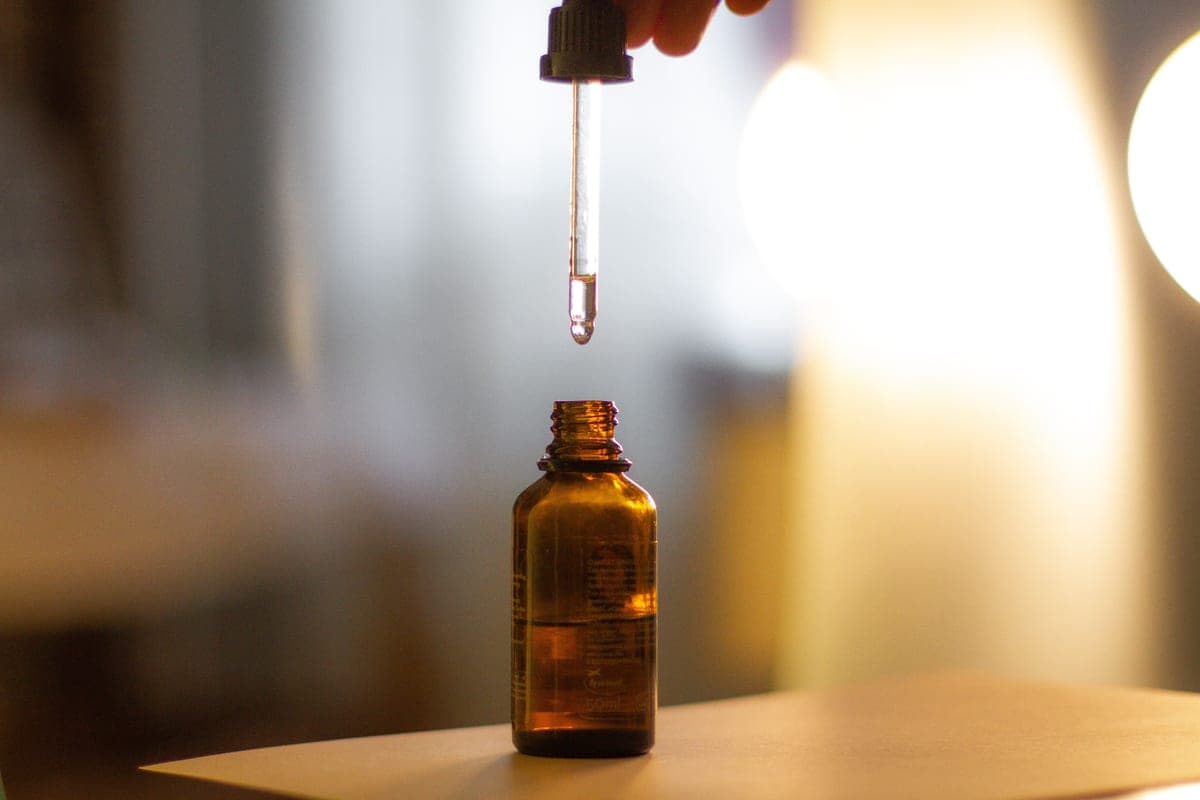
Amber glass serum bottle with a dropper on a dark surface, lit from one side

Ingredient monograph

Retinol

The most studied over-the-counter retinoid. What each percentage band is for, and how to start without peeling.

Read it
Green botanical leaf against a dark background

Ingredient monograph

Bakuchiol

The natural retinol alternative, with the evidence stated honestly: one small trial, real results, thin literature.

Read it

Brightening and pigment

Pigment production is a chain, and each of these interrupts a different link. That is why a good pigment routine usually contains two of them rather than a higher dose of one.

Cut citrus fruit on a dark background lit from the side

Ingredient monograph

Vitamin C

The form matters more than the percentage. L-ascorbic acid versus the derivatives, and how to tell when a bottle is finished.

Read it
Clear serum texture pooled on dark glass

Ingredient monograph

Niacinamide

Barrier, oil, pores and pigment from one cheap molecule. Why 5% is the evidence-backed dose and 10% is the marketing one.

Read it
Citrus fruit and glassware on a dark surface, side-lit

Ingredient monograph

Tranexamic Acid

Works upstream of melanin production rather than on it, which is why it holds up against melasma when brighteners stall.

Read it
Glass bottle of a clear exfoliating liquid on a dark surface

Ingredient monograph

Azelaic Acid

Redness, acne and pigment from one molecule, and the standard retinoid substitute in pregnancy. 10% versus 15%, honestly.

Read it

Barrier and hydration

Humectants hold water, emollients smooth the surface, and barrier lipids seal it in. Three different jobs that get sold under one word.

A swatch of rich cream on dark stone

Ingredient monograph

Ceramides

The lipid your barrier is made of. Why the cholesterol and fatty acid alongside it matter more than the ceramide percentage.

Read it
Water droplets beaded on a dark glass surface, lit from one side

Ingredient monograph

Hyaluronic Acid

A humectant, not a moisturizer. Molecular weight matters more than percentage, and it must be sealed to work.

Read it
Golden facial oil in a dropper against a dark background

Ingredient monograph

Squalane

A stable version of a lipid your own skin makes. No dose, no downside, and a sourcing question worth asking.

Read it
Droplets of a clear viscous fluid on dark glass

Ingredient monograph

Snail Mucin

A good hydrator with a modest real evidence base, a percentage number that means less than it looks, and a sourcing question.

Read it
Laboratory pipette dispensing a clear serum, dark background

Ingredient monograph

Peptides

Signal, carrier and neurotransmitter peptides, with the evidence for each stated separately rather than as one claim.

Read it

Exfoliating acids

One is oil-soluble and works inside the pore; the other is water-soluble and works on the surface. Choosing the wrong one is the most common mistake in this group.

Clear liquid exfoliant in a glass bottle on a dark background

Ingredient monograph

Salicylic Acid

The oil-soluble acid, which is why it works inside a pore. What 0.5%, 1% and 2% are each for.

Read it
Exfoliating toner in a clear bottle photographed on dark stone

Ingredient monograph

Glycolic Acid

The smallest AHA, so it penetrates furthest and stings most. Why pH decides the strength more than the percentage.

Read it

Sun protection

The one ingredient that makes every other ingredient on this page worth using. Without it, treating pigment or lines is refilling a bucket with a hole in it.

Tube of mineral sunscreen resting on dark stone

Ingredient monograph

Zinc Oxide

The only single US-approved filter covering the whole UVA range. What each percentage costs you in white cast.

Read it

The roundups

Where the ingredient pages end, these begin: specific products, grouped by buyer, with a stated negative on every pick and at least one commonly recommended product we tell you to skip.

Amber dropper bottle of retinol serum lit from one side on a dark surface

Best Retinol Serum

Best Retinol Serums

Five retinol picks grouped by buyer, each with a stated negative, plus the packaging mistake that wastes the most money.

Top pick: The Ordinary Retinol 0.5% in Squalane

Sliced citrus fruit photographed against a dark background

Best Vitamin C Serum

Best Vitamin C Serums

Five picks sorted by which vitamin C molecule they use, plus why the bottle you can see through is the one to avoid.

Top pick: SkinCeuticals C E Ferulic

A pool of clear serum on dark reflective glass

Best Niacinamide Serum

Best Niacinamide Serums

Four picks built around the 5%-versus-10% question, plus why the zinc in the most popular option makes it pill.

Top pick: Geek & Gorgeous Niacinamide 5% Serum

A glass bottle of treatment liquid on a dark surface

Best Azelaic Acid

Best Azelaic Acid Products

Every over-the-counter option is 10%, so these are ranked by vehicle — the thing that decides whether you keep using it.

Top pick: The Ordinary Azelaic Acid Suspension 10%

A swatch of rich moisturizer on a dark stone surface

Best Ceramide Moisturizer

Best Ceramide Moisturizers

Four picks judged on the full lipid trio rather than ceramide name-checks, plus the format that works against its own chemistry.

Top pick: CeraVe Moisturizing Cream

Golden facial oil held in a glass dropper against a dark background

Best Squalane Oil

Best Squalane Oils

The molecule is identical between brands, so these are ranked on published source and price — and one tier is simply overpriced.

Top pick: The Ordinary 100% Plant-Derived Squalane

A tube of mineral sunscreen resting on dark stone

Best Mineral Sunscreen

Best Mineral Sunscreens

Four picks judged on tint, texture and bottle size, because applying enough matters more than which filter you chose.

Top pick: EltaMD UV Physical Broad-Spectrum SPF 41

Frequently Asked Questions

A sunscreen, then a retinoid, then vitamin C in the morning. Those three cover more ground than any other combination, and everything else is refinement. See the starter actives guide.

Sources

How we pick · Editorial policy · Affiliate disclosure