What Snail Mucin Actually Does
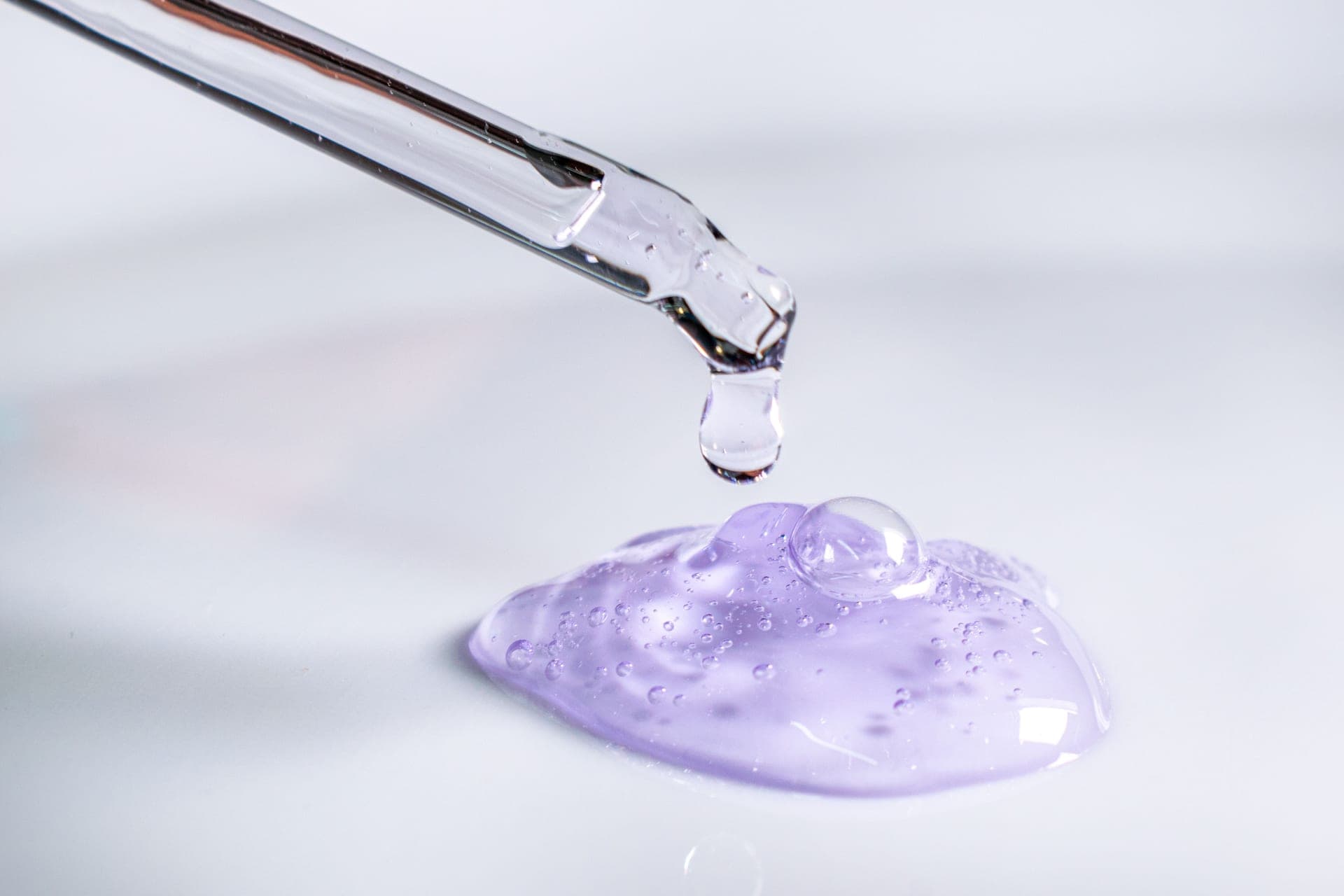
Snail secretion filtrate is a mixture rather than a single active, which is both why it is hard to evaluate and why it feels good on skin. Its documented components include glycosaminoglycans, glycoproteins, hyaluronic acid, allantoin, small quantities of glycolic acid, and zinc.
The effects that stand up: it is an effective humectant and film-former, it improves surface hydration measurably, and there is published work on its role in wound healing and barrier recovery. It also has a distinctive slippery, cushiony texture that many people find pleasant under other layers.
The effects that do not stand up as claimed: it is not a wrinkle treatment in the sense a retinoid is, the glycolic acid content is far too small to exfoliate, and it will not clear acne. It is a good supporting hydrator with barrier benefits, which is a more modest claim than the category's marketing makes.
Harvesting and the Ethical Question
This section exists because it is the question readers actually have, and most product pages avoid it.
Secretion is collected by placing snails in a controlled environment and gathering what they produce as they move. Methods vary substantially between suppliers: some describe low-stress collection over a fixed period followed by returning the snails to their habitat, and others are less transparent. Stress-based extraction methods have been documented in the industry and are the basis of most welfare objections.
Snail mucin is, by definition, not vegan. Brands that publish their collection method are worth preferring; silence on the question should be read as silence rather than as reassurance. If this matters to you, polyglutamic acid and hyaluronic acid deliver comparable hydration with no animal-derived component.
Forms
- Essence. The classic format — a watery, slightly viscous layer applied after cleansing.
- Gel or cream. More occlusive, better for dry skin.
- Sheet mask. A high-contact-time delivery, popular and effective for short-term hydration.
- With niacinamide. A very common pairing that adds barrier and oil-control benefit.
- With peptides or [centella](/ingredients/centella-asiatica). Common in barrier-recovery formulations.
How to Use Snail Mucin
- Apply to damp skin after cleansing, before heavier serums and moisturizer.
- Use it morning and night. There is no adjustment period and no photosensitivity.
- Pat rather than rub; the texture is film-forming and rubbing disrupts the layer.
- Follow with a moisturizer. Like any humectant, it works better sealed.
- Use it as a recovery layer alongside irritating actives — this is where it earns its place in a routine.
- Patch test if you have a shellfish or mollusc allergy history, though cross-reactivity is not established.
Who It Suits, and Who Should Avoid It
Snail mucin suits dehydrated skin, skin recovering from over-exfoliation or a retinoid ramp-up, and anyone who likes a light hydrating layer that does not add oil. It is well tolerated across skin types.
- Vegans and anyone with animal-welfare concerns should choose a different humectant. The alternatives are genuinely comparable.
- If you want treatment, this is not it. Hydration and barrier support are the honest claims.
- Some people dislike the texture intensely. That is a valid reason to skip it.
- Fungal acne-prone skin should read the full ingredient list — the filtrate itself is not the usual culprit, but the emollients around it may be.
Pairings and Conflicts
| Combination | Verdict |
|---|---|
| Snail mucin + niacinamide | Good. Very common and complementary. |
| Snail mucin + retinoid | Good. A useful buffering and recovery layer. |
| Snail mucin + acids | Fine. Apply the acid first and let it absorb. |
| Snail mucin + hyaluronic acid | Redundant rather than harmful. Both are humectants. |
| Snail mucin + moisturizer on top | Necessary for the humectant effect to hold. |
| Snail mucin + vitamin C | Fine. No interaction. |
Beyond the Face
Snail mucin appears occasionally in hand creams and body products, where the same hydration and barrier logic applies. It is expensive relative to glycerin or a ceramide lotion for body-sized areas, so the sensible use is targeted rather than general.
It is also used in some scalp and hair products; the evidence for benefit there is not something we have found worth citing.
Where to Start
Two well-established formulations, chosen for a simple ingredient list rather than for a higher filtrate percentage.