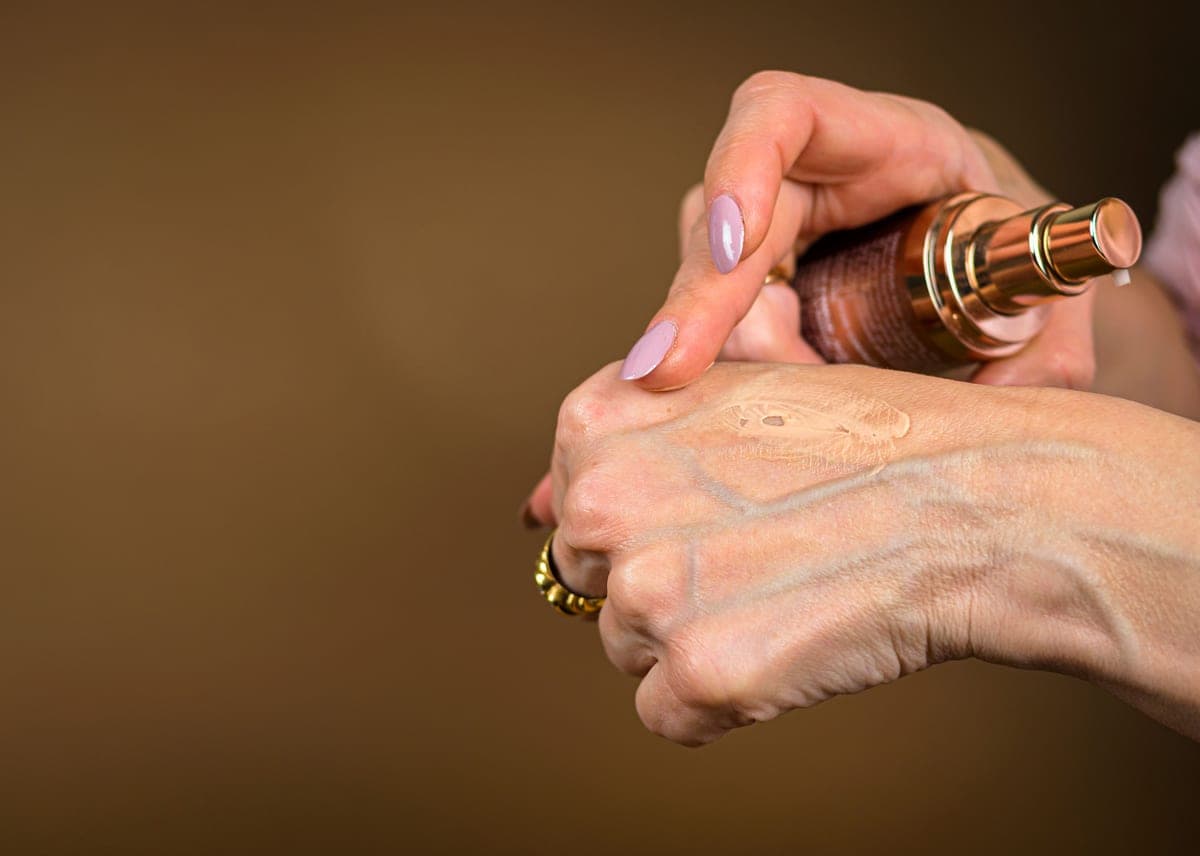
The category that sits between skincare and foundation, and gets judged unfairly by both. Buy it for what it is.
By Sawyer V. · Published September 8, 2026 · Last updated September 8, 2026
The short answer
A tinted moisturizer gives sheer coverage that evens tone without hiding skin. It is not foundation and will not cover much. If it contains SPF, treat that as a bonus — nobody applies makeup at the quantity a tested SPF assumes.
Disclosure: Glow & Gild earns a commission when you buy through links on this page, at no extra cost to you. It does not change which product we recommend, and no brand pays for placement here. Read the full disclosure.
How We Picked
We ranked on shade range breadth first, because that decides satisfaction more than anything else in this category, then on finish and how the formula behaves over dry patches. SPF content was noted but not weighted, for the reason set out below.
Everyone in this category says they tested twenty of these. We have not tested any, and we say so. What we did instead: compiled the published concentrations and ingredient lists, checked each claim against what the formula can actually support, and wrote down who each product is wrong for. The full method is published so you can check it.
What This Category Actually Is
A tinted moisturizer is a hydrating base with enough pigment to even out tone. It is judged unfairly from both directions: people who wanted foundation find it too sheer, and people who wanted skincare find it does not moisturize as well as a dedicated moisturizer.
Both criticisms are correct and both miss the point. The category exists for a specific use — looking like yourself on a better day, with five seconds of effort and no coverage that needs blending precisely. Judged against that, it does its job.
Tinted moisturizer
Foundation
Skin tint
Coverage
Sheer, evens tone
Medium to full
Sheer, slightly more pigmented than tinted moisturizer
Hydration
Genuine, though less than a moisturizer
Varies; frequently none
Usually minimal
Application
Fingers, thirty seconds
Brush or sponge, precise
Fingers
Best for
Good skin days, dry skin, minimal routines
Coverage needs
Similar to tinted moisturizer, longer wear
The SPF Question, Answered Plainly
Many tinted moisturizers include SPF, and it is genuinely tested. The problem is application quantity.
A tested SPF assumes 2 mg per square centimeter — roughly a third of a teaspoon for a face. Nobody applies tinted moisturizer at that rate; it would be an opaque, visible layer. Most people apply somewhere between a fifth and a half of it, and protection falls off faster than proportionally.
So the rule is straightforward: apply a real sunscreen underneath, and treat the SPF in your makeup as a bonus. That is not a criticism of these products; it is a statement about how much of them people use. See zinc oxide and chemical vs. mineral sunscreen.
Shade Range Is the Decisive Criterion
In a sheer product, an imperfect shade match matters less than it would in a foundation — the skin underneath shows through and corrects some of it. But undertone still shows, and a warm product on cool skin reads sallow at any sheerness.
The bigger problem in this category is range breadth. Tinted moisturizers have historically shipped in six to twelve shades, which is a small fraction of the range a foundation line covers, and the omissions are almost always at the deeper end. A product available in eight shades is a product that does not serve most people.
So range breadth is weighted heavily in the picks below, above finish and above formulation elegance. A well-made product in the wrong shade is a worse purchase than an ordinary one in the right shade.
Preparation, Which Matters More Than the Product
Moisturize first. Tinted moisturizer is not a moisturizer substitute, and it clings to dry patches without one.
Sunscreen second, and let it set for a few minutes.
Apply with fingers. The warmth helps it melt in, and precision is not required at this coverage.
Start centrally — the middle of the face is where tone is most uneven — and blend outward with what is left on your fingers.
Concealer after, only where you need it. See best concealers.
Set only where you get shiny, if at all.
If the product clings to flakes, that is a barrier problem rather than a product problem, and a ceramide moisturizer fixes it. No base product works over compromised skin.
No product photoNo product photograph available for ILIA Super Serum Skin Tint SPF 40
Premium Beauty listing
1 — A broad range with a mineral filter
ILIA Super Serum Skin Tint SPF 40
What’s in it
Sheer coverage with a natural finish, in a broad shade range
Contains non-nano zinc oxide as the SPF filter
Includes niacinamide and hyaluronic acid as stated skincare ingredients
It combines the two things this category most often gets wrong: a genuinely broad shade range, and a mineral rather than chemical filter, which suits the reactive skin most likely to want a sheer base.
Who it’s not for
Anyone relying on it for sun protection. As with every makeup SPF, the tested figure assumes an application quantity nobody reaches — wear sunscreen underneath.
No product photoNo product photograph available for NARS Pure Radiant Tinted Moisturizer SPF 30
Premium Beauty listing
2 — A luminous finish on dry skin
NARS Pure Radiant Tinted Moisturizer SPF 30
What’s in it
Sheer-to-light coverage with a luminous finish
Broad-spectrum SPF 30
Long-established formula with a wide shade range for the category
The luminous finish is what dry and mature skin actually wants from a sheer base, and this is one of the longest-established options with a range wide enough to be usable.
Who it’s not for
Very oily skin. A luminous finish reads as shine rather than glow when skin is already producing oil, and setting it heavily undoes the reason to choose it.
No product photoNo product photograph available for e.l.f. Cosmetics Halo Glow Liquid Filter
3 — The sheerest option, cheaply
e.l.f. Cosmetics Halo Glow Liquid Filter
What’s in it
Very sheer, luminous complexion product rather than a coverage base
No SPF, which removes the false-security question entirely
Drugstore pricing with a reasonable shade range for the price
It is honest about what it is: a luminosity product rather than a coverage one. For a good skin day it does the job at a fraction of the price, and the absence of SPF means nobody mistakes it for sun protection.
Who it’s not for
Anyone wanting any real coverage. This evens light rather than tone, and if you have redness or marks to conceal it will not touch them.
No product photoNo product photograph available for Laura Mercier Tinted Moisturizer Natural Skin Perfector SPF 30
Premium Beauty listing
4 — The reference formula in the category
Laura Mercier Tinted Moisturizer Natural Skin Perfector SPF 30
What’s in it
The composition that largely defined the tinted moisturizer category
Light coverage with a natural finish, in a wide shade range
Broad-spectrum SPF 30
It is the reference point the rest of the category is measured against, and it holds up — light coverage, natural finish, and one of the broader shade ranges available.
Who it’s not for
Anyone wanting more than light coverage. This is a tinted moisturizer in the original sense, and expecting foundation-level performance from it is the most common disappointment.
This is the most consequential mistake in this whole hub, and it is one the packaging encourages. A tested SPF 30 assumes 2 mg per square centimeter — about a third of a teaspoon on a face, which as a tinted moisturizer would be an opaque, visible layer nobody would wear. Real-world application of makeup runs a fifth to a half of that, and protection falls off faster than proportionally, so an SPF 30 tinted moisturizer applied normally may be delivering closer to an SPF 8. The product is not at fault; the assumption is. Apply a real sunscreen underneath and treat the makeup SPF as a bonus layer on top of it.
Frequently Asked Questions
No. Tinted moisturizer gives sheer coverage that evens tone without hiding skin, and adds hydration. Foundation gives medium to full coverage and usually does not.
No. The tested SPF assumes an application quantity nobody reaches with makeup. Wear sunscreen underneath and treat the makeup SPF as a bonus.
Skin tints are usually slightly more pigmented and longer-wearing, with less hydration. In practice the categories overlap considerably.
Fix the skin rather than the product. A ceramide moisturizer underneath resolves it; no base product performs over a compromised barrier.
The iron oxide pigments in it contribute visible-light protection, which is genuinely useful for melasma. That is a reason to layer it over sunscreen, not instead of it.
By Sawyer V.. An enthusiast who’s genuinely into this: I read the manufacturer documentation, compile the published percentages, and do the arithmetic. No lab coat.
What I don’t do: test products, accept free product, or accept payment for placement. I hold no clinical credential and don’t claim one. How we pick.
Published September 8, 2026 · Last updated September 8, 2026