The Comparison, in One Table
| Tinted moisturizer | Foundation | |
|---|---|---|
| Coverage | Sheer to light | Light to full, often buildable |
| Finish | Natural, skin-like | Ranges from dewy to matte |
| Wear time | Shorter; fades through the day | Longer, especially long-wear formulas |
| Shade matching | Forgiving | Needs a closer match |
| Skin feel | Light, hydrating | Varies; can feel heavier |
| Best for | Everyday, casual, dry or clear skin | Redness, uneven tone, events, long days |
How to Choose
- Want your skin to look like skin? Tinted moisturizer. It evens tone slightly and lets freckles and texture show.
- Want to cover redness, marks or uneven tone? Foundation. A tinted moisturizer will not hide much, and layering it to try usually looks heavier than a thin foundation would.
- Dry skin? Tinted moisturizers are often more comfortable; a hydrating foundation is the alternative when you need more coverage.
- Oily skin or a long day? A long-wear or matte foundation holds up better than most tinted moisturizers.
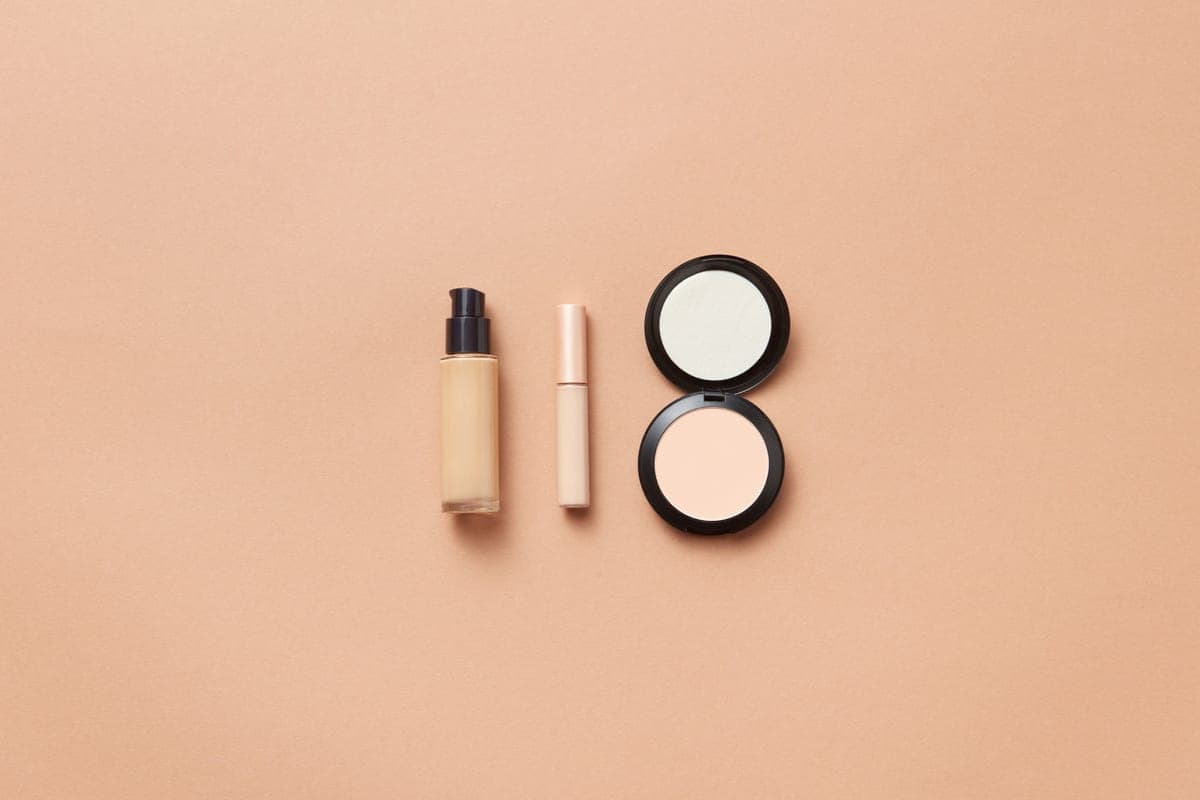
Many people own both: a tinted moisturizer for most days and a foundation for occasions. Spot-covering with a concealer over a tinted moisturizer often gives the best of both. The dedicated roundup is at best tinted moisturizers.
The SPF Problem
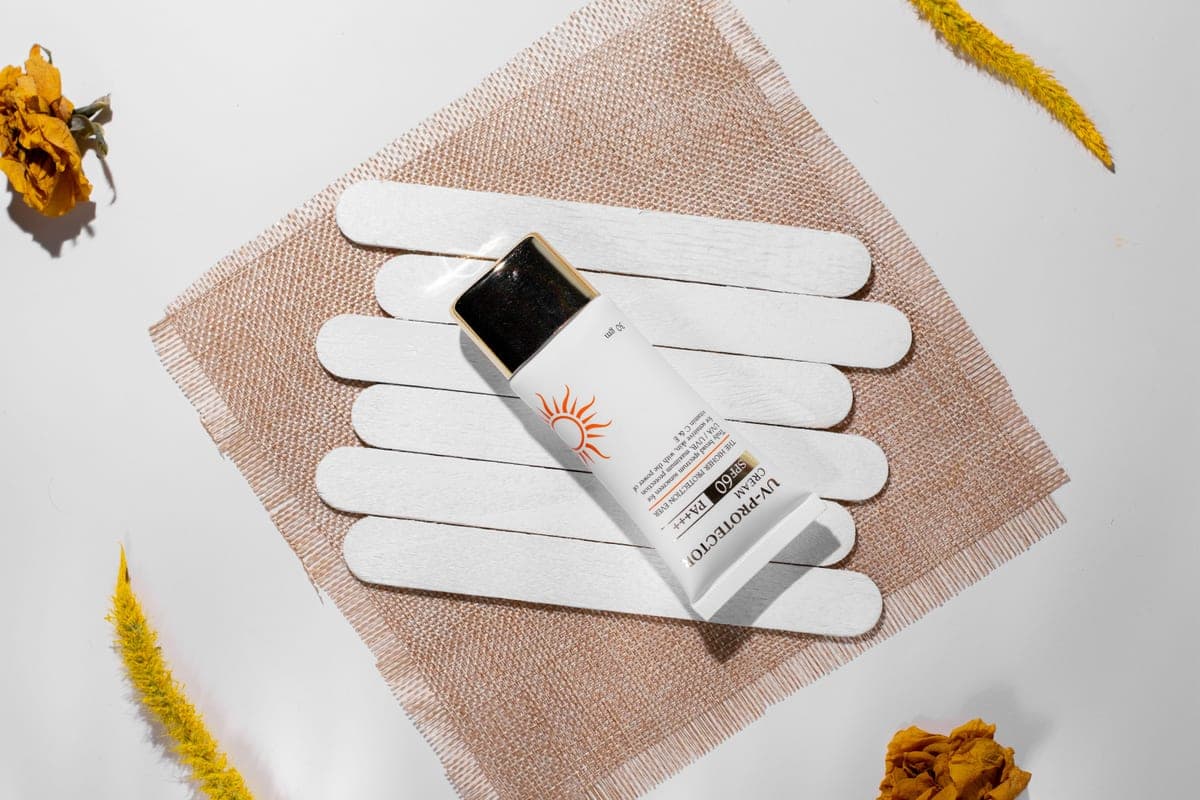
SPF is tested at 2 mg of product per square centimeter of skin — about a third of a teaspoon for the face. Nobody applies tinted moisturizer or foundation that thickly. At a normal makeup dose, you get only a fraction of the labeled protection.
Matching Shade and Undertone
Coverage raises the stakes on shade. A tinted moisturizer is sheer enough to forgive a near-miss; a foundation that is even slightly off shows as a line at the jaw. Three checks prevent most mismatches:
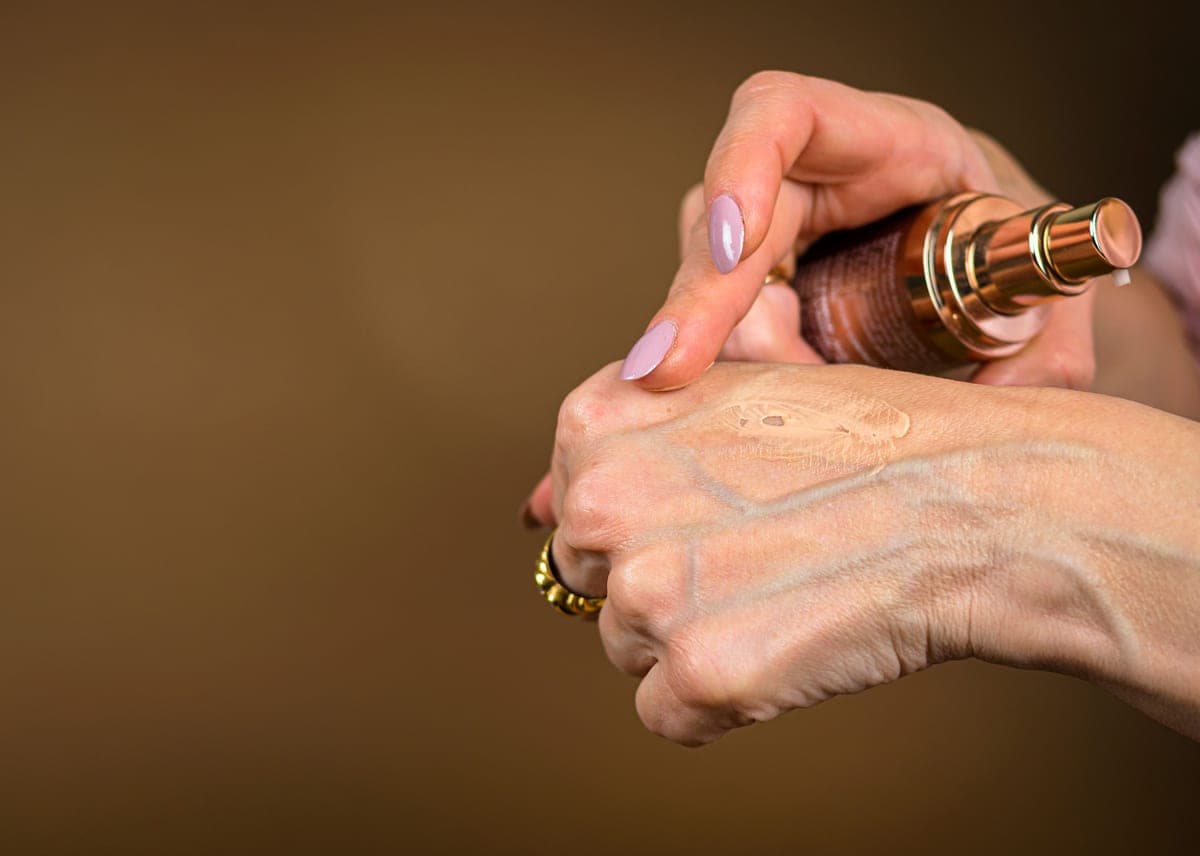
- Test on the jawline, not the hand or wrist. Swatch two or three close shades across the jaw; the right one disappears into both face and neck.
- Check in daylight. Store and bathroom lighting both distort color.
- Wait ten minutes. Many foundations darken slightly as they dry and mix with skin oils, often called oxidation. Judge the shade after it has settled.
Undertone matters as much as depth. Warm undertones lean golden or peach, cool lean pink or red, and neutral sits between. If a shade looks right in depth but gray, ashy or orange, it is usually the undertone that is wrong rather than the lightness. When buying online, compare the brand's shade descriptions against a product you already know matches.