Skip to content
Glow & Gild

Comparison

Eau de Parfum vs Eau de Toilette

Not simply a stronger and a weaker version of the same thing. The formula is frequently rebalanced, which is why they can smell genuinely different.

By Sawyer V. · Published September 8, 2026 · Last updated September 8, 2026

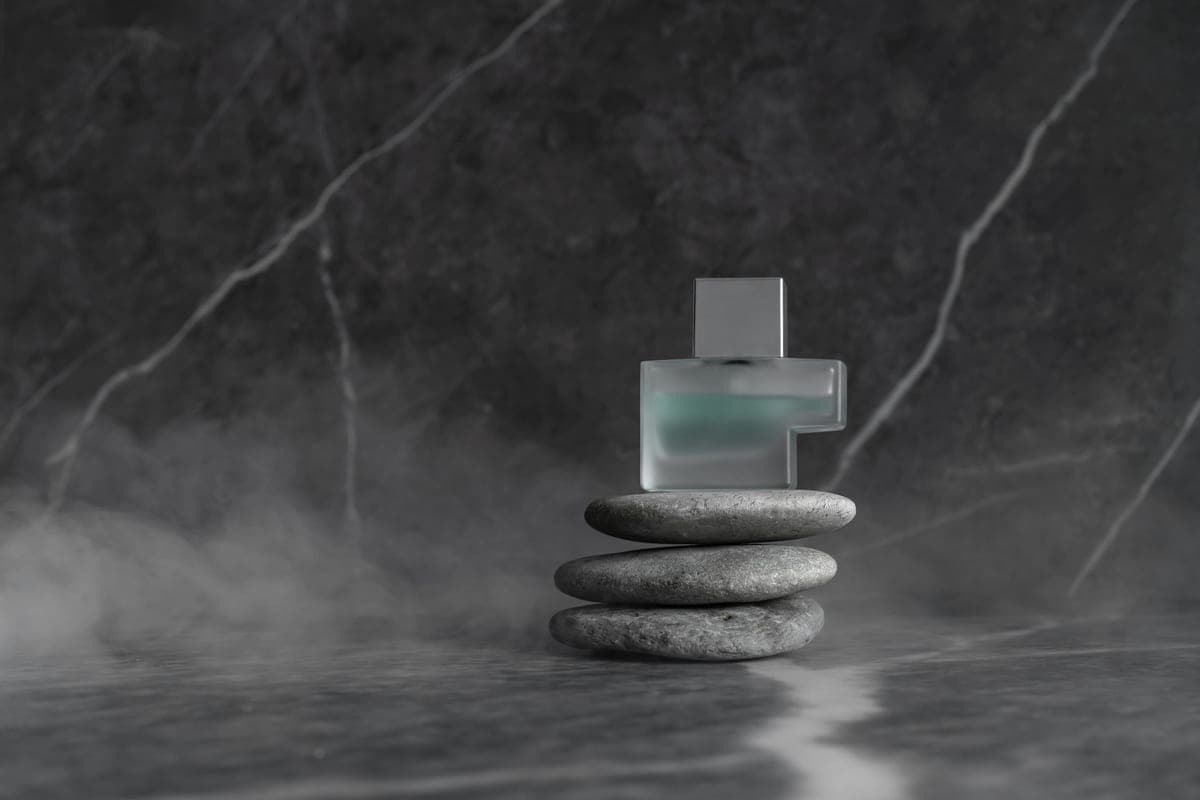
Two fragrance bottles side by side on dark marble

The short answer

EDP contains a higher proportion of fragrance oil than EDT, so it generally lasts longer and projects more. But formulas are often rebalanced between concentrations rather than simply diluted, so the two can smell genuinely different — sample both.

Disclosure: Glow & Gild earns a commission when you buy through links on this page, at no extra cost to you. It does not change which product we recommend, and no brand pays for placement here. Read the full disclosure.

The Concentrations, in One Table

NameTypical oil concentrationCharacter
Eau fraiche1% to 3%Very light, an hour or two. Uncommon.
Eau de cologne2% to 5%The classical citrus format. Light and deliberately fleeting.
Eau de toilette (EDT)5% to 15%The everyday standard. Brighter opening, moderate wear.
Eau de parfum (EDP)15% to 20%The modern default. Richer, longer, more base-weighted.
Parfum / extrait20% to 40%Densest and longest. Often quieter than an EDP, because less alcohol means less diffusion.

These ranges are conventions rather than regulations. No standards body enforces them, brands apply them inconsistently, and a well-made EDT can easily contain more fragrance oil than a thin EDP from another house.

It Is Not Just Dilution

This is the part almost everyone gets wrong, and it explains why people are surprised by the version they did not sample.

A brand releasing an EDT and an EDP of the same fragrance does not usually take one concentrate and add different amounts of alcohol. The formulas are rebalanced. An EDP is typically weighted more towards base materials — woods, resins, musks — because those are what a higher-concentration composition needs to hold together. An EDT often carries more of the volatile top materials, because brightness is what a lighter format is for.

The result is that the EDT can smell fresher and more citrus-forward while the EDP smells warmer and deeper, from the same name and the same bottle design. Neither is a diluted version of the other; they are two related compositions.

When to Buy the EDP

The fragrance is woody, amber or otherwise base-heavy. These families benefit most from the higher concentration, because the extra material is largely in the base and that is what persists. See fragrance longevity.

You want all-day wear from one application. An EDP of a base-heavy composition can genuinely run eight hours or more.

Cost per wear matters to you. An EDP costs more per bottle and frequently less per day, because two sprays do what four of an EDT would.

Cold weather. Higher concentration suits low temperatures, where less material evaporates and projection is naturally reduced.

When to Buy the EDT

The fragrance is a citrus, aquatic or fresh composition. The EDP of a citrus mostly buys a louder opening and a similar fade, because the citrus materials are volatile at any concentration.

You prefer the brighter opening. Many EDTs are genuinely better in the first hour than their EDP counterparts, and if that is the part you wear most, buy it.

Hot weather. Heat amplifies everything, and an EDP that is elegant in November can be overwhelming in July.

Shared spaces. A lighter concentration is easier to keep at a considerate level, which matters more than most people acknowledge. See sillage vs. projection.

What About Parfum and Extrait?

The highest concentration, at 20% to 40% fragrance oil, and the one most misunderstood. Parfum does not necessarily project more than an EDP — often the opposite. Less alcohol means less of the volatile carrier that pushes material into the air, so a parfum frequently wears closer to the skin while lasting substantially longer.

That makes parfum the right choice when you want persistence without presence: long wear, low projection, noticed only by people close to you. It is also the most expensive format by a wide margin, and it is usually sold in small bottles for that reason.

A Pick for Each Side

One base-heavy fragrance where the EDP genuinely earns its concentration, and one classical EDT where the lighter format is the right one.

No product photoNo product photograph available for Tom Ford Oud Wood Eau de Parfum

Premium Beauty listing

1Where an EDP genuinely earns it

Tom Ford Oud Wood Eau de Parfum

What’s in it

  • Oud accord with sandalwood, rosewood and cardamom in the published note listing
  • Eau de parfum concentration built almost entirely on base materials
  • Wears close to the skin despite lasting most of a day

A base-heavy composition is exactly where higher concentration pays off — the extra material is in the part that persists, so you get longer wear rather than just a louder opening.

Who it’s not for

Anyone who wants presence rather than persistence. This is quiet at conversational distance, which is the point and is not what everyone is buying an EDP for.

No product photoNo product photograph available for Dior Eau Sauvage Eau de Toilette

Premium Beauty listing

2Where the EDT is the right format

Dior Eau Sauvage Eau de Toilette

What’s in it

  • Bergamot and lemon over a herbaceous heart in the published note listing
  • Eau de toilette concentration, in continuous production since 1966
  • One of the compositions that defined the citrus-aromatic style

A citrus composition is the clearest case where a higher concentration buys little — the volatile materials fade on their own schedule regardless, and the lighter format is what the structure was designed around.

Who it’s not for

Anyone who wants longevity. This is a classical structure and behaves like one: a few hours at most, by design rather than by fault.

Frequently Asked Questions

It contains a higher proportion of fragrance oil, typically 15% to 20% against 5% to 15%, so it generally lasts longer and projects more. But formulas are often rebalanced rather than diluted, so they can smell different.

Sources

Who wrote this

By Sawyer V.. An enthusiast who’s genuinely into this: I read the manufacturer documentation, compile the published percentages, and do the arithmetic. No lab coat.

What I don’t do: test products, accept free product, or accept payment for placement. I hold no clinical credential and don’t claim one. How we pick.

Published September 8, 2026 · Last updated September 8, 2026

A perfume bottle on dark marble, lit from one side

Fragrance literacy

Fragrance Longevity

The materials decide longevity far more than the concentration does. Which families last, and the application changes that measurably help.

Read it
Several fragrance bottles arranged in low warm light

Comparison

Fragrance vs Perfume

A category, a product and an ingredient-list term wearing one word. Which distinctions actually change what you buy.

Read it
Fragrance mist caught mid-air against a dark background

Fragrance literacy

Sillage vs Projection

Projection is a bubble around you; sillage is a trail behind you. Why the combination most people want is rarely asked for.

Read it
A fine spray of fragrance caught in light against a dark background

Fragrance literacy

How to Apply Perfume

Four changes solve most fragrance complaints, and none of them costs anything. Where, how much, and what to stop doing.

Read it
Bergamot peel and citrus fruit on a dark background

Fragrance family

Citrus Fragrances

The brightest and briefest family. Why the fade is chemistry, and how the base underneath decides what you actually wear.

Read it
A fine mist of fragrance caught in low light against a dark background

Fragrance literacy

Fragrance Notes Explained

Note, accord and family are three different words. What the pyramid actually models, and the two reasons listings mislead.

Read it

Nothing here is medical advice. Editorial policy · How we pick · Affiliate disclosure