The Words, in One Table
| Word | What it usually means | Is it a concentration? |
|---|---|---|
| Fragrance | The category, or on an ingredient list, an undisclosed aroma blend | No |
| Perfume | A finished scented product; strictly, the highest concentration | Sometimes |
| Parfum / extrait | The highest concentration format, 20% to 40% oil | Yes |
| Eau de parfum | 15% to 20% oil | Yes |
| Eau de toilette | 5% to 15% oil | Yes |
| Cologne | In the US, a men's fragrance generally. In Europe, eau de cologne — a light citrus format. | Depends which sense |
| Scent | Informal, no technical meaning | No |
Fragrance as a Category
In ordinary use, fragrance is the umbrella term. It covers everything scented — perfumes, colognes, body sprays, candles, detergent. When this site talks about the fragrance industry or a fragrance family, that is the sense being used.
Perfume is narrower and refers to a finished product intended to scent a person. In strict industry usage it also means the highest concentration format, which is where the ambiguity comes from: a shop assistant saying perfume may mean the product category or the 30% extrait, and both are correct.
In practice the distinction matters mainly on a label. If a bottle says Parfum where the concentration would normally be printed, that is the format. If a shop calls the whole shelf perfume, that is the category.
Fragrance on an Ingredient List Means Something Else
This is the genuinely useful part of this page, and it applies to skincare as much as to fragrance.
When Fragrance or Parfum appears on a cosmetic ingredient list, it is a permitted collective term for a blend of aroma chemicals that does not have to be individually disclosed. A single entry can represent dozens of materials, protected as a trade secret.
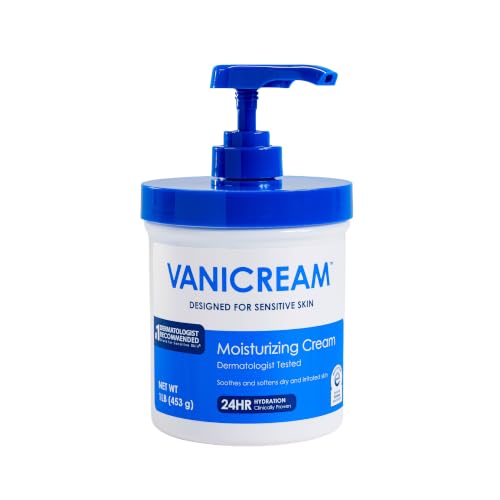
That has one practical consequence worth knowing: fragrance is the most common cause of cosmetic contact allergy. If your skin is reactive, fragrance-free is the single most useful thing to look for on a label — more useful than any free-from claim or clean marketing. A subset of known allergens must be listed separately under EU rules, but the majority of the blend need not be.
Note also that unscented is not the same as fragrance-free. An unscented product may contain masking fragrance to neutralize the smell of its own ingredients. Fragrance-free means no fragrance was added; unscented means it does not smell of anything.
The Cologne Confusion
Cologne carries two meanings and they conflict.
In American usage, cologne generally means a men's fragrance regardless of its concentration. That is a marketing convention with no technical basis — the materials are not gendered and the concentration is unspecified.
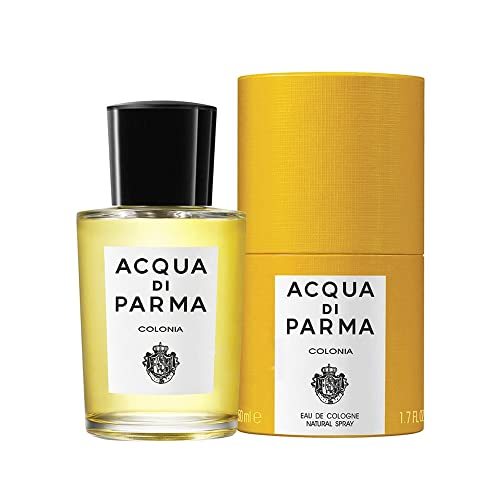
In its original sense, eau de cologne is a specific concentration (2% to 5%) and a specific historic structure: citrus over neroli over a light herbal base, formulated in the early eighteenth century and still the template for a whole genre.
So a bottle labeled Eau de Cologne is telling you about the format. A shop assistant saying cologne is probably telling you about the shelf it came from.
One of Each Sense of the Word
A genuine eau de cologne in the original sense, and a fragrance-free product in the ingredient-list sense — because those are the two distinctions on this page with a practical consequence.