The Claim and the Evidence
The claim: rolling lifts and firms, shrinks pores, and drives skincare deeper into the skin.
What the evidence supports: light pressure moves interstitial fluid towards the lymph nodes, which visibly reduces puffiness. Cold causes vasoconstriction, which reduces it further. Both are real and both are temporary.
Where the gap sits: rolling does not lift or firm, because nothing about external pressure changes the structures that determine facial contour. It does not shrink pores, which are structural. And the absorption claim is the weakest of the three — pressing a product into skin does not meaningfully increase penetration of an active, and for a leave-on product there is no absorption problem to solve in the first place.
When It Is Genuinely Useful
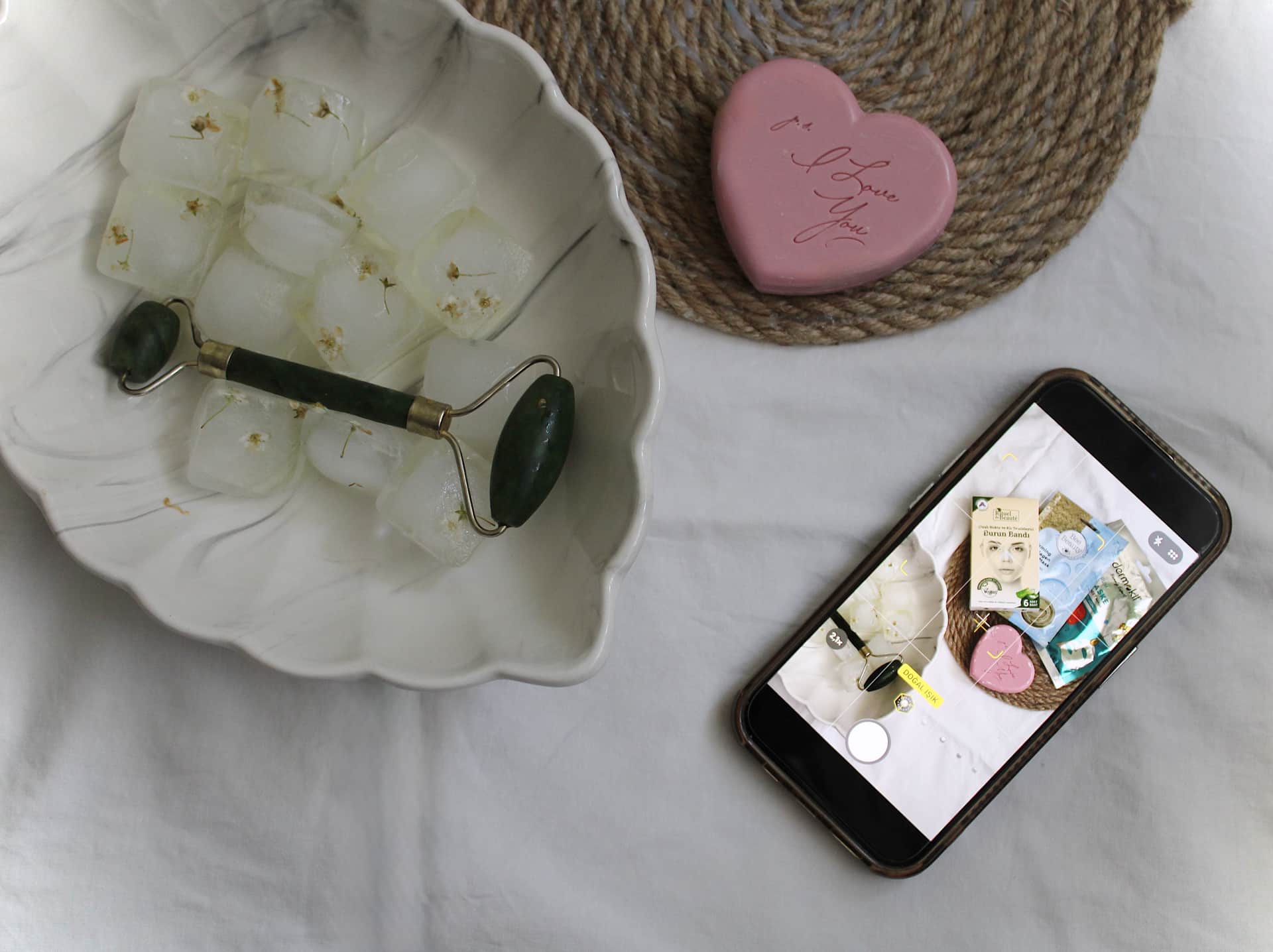
Morning puffiness. Ninety seconds with a chilled roller visibly reduces under-eye and jaw puffiness. This is the use case, and it is a legitimate one.
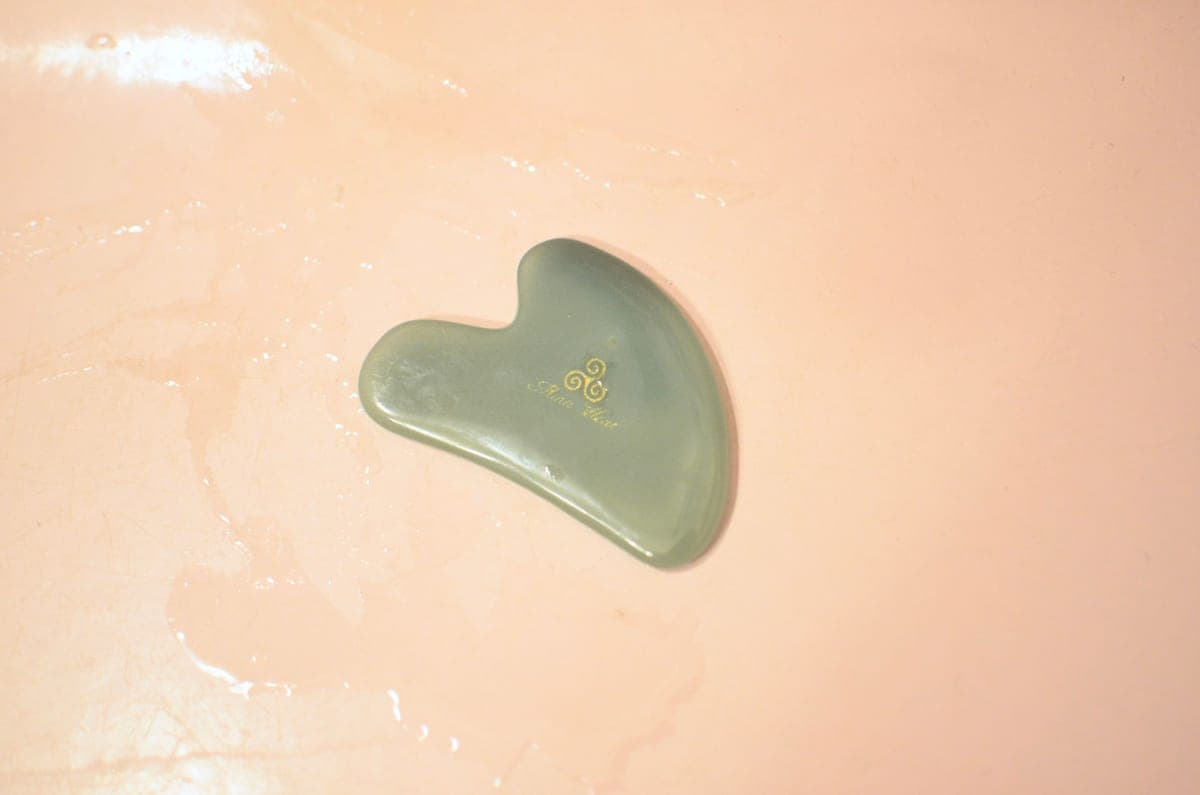
Around the eyes. The small roller end is easier to use gently in the orbital area than a gua sha stone edge, which is a real advantage for the most puffiness-prone part of the face.
For people who will not learn a technique. A roller is nearly impossible to use harmfully. If a gua sha stone feels like a commitment, a tool you actually pick up is worth more than a better one you do not.
Very reactive skin. Lighter pressure and less friction than scraping.
How to Use One
- Keep it in the fridge. Most of the depuffing effect is temperature, so a room-temperature roller is doing half a job.
- Apply a serum or light oil first. Rolling on dry skin drags.
- Roll outward and downward, towards the ears and then down the sides of the neck.
- Use the small end around the eyes, very lightly, from the inner corner outward.
- Three to five passes per area. Ninety seconds total is enough.
- Wash it afterwards with soap and water. It touches your face and then sits on a shelf.
Do not roll over active inflammatory spots — it spreads bacteria and irritates. And do not expect the effect to persist: fluid re-accumulates, which is why this is a morning routine rather than a treatment.
Materials and Build
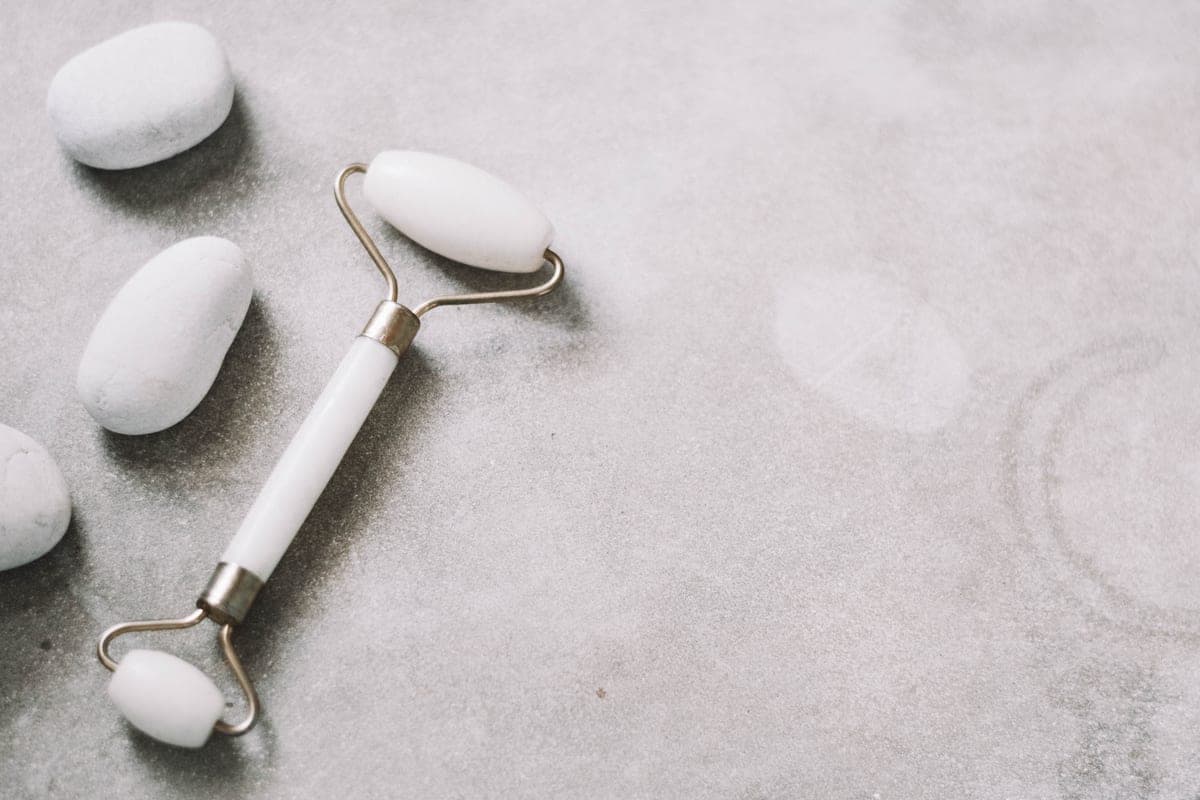
The same rule as gua sha: material affects cold retention and durability, not efficacy. A great deal of what is sold as jade is dyed serpentine, which performs identically and costs less — this is close to universal in the category and is not worth being annoyed about.
What genuinely varies is build quality. The failure mode of a cheap roller is the mechanism: a squeaky or seizing axle makes the tool unpleasant, and a loose stone eventually falls off. If you have owned one that squeaked, that is the thing to check rather than the stone.
Stainless steel rollers exist and hold cold considerably longer than stone, which given how much of the effect is temperature makes them the more rational choice.