The Comparison, in One Table
| Jade roller | Gua sha stone | |
|---|---|---|
| Mechanism | Light rolling pressure over a small contact area | Sustained scraping pressure over a larger flat edge |
| Lymphatic effect | Mild | Meaningfully stronger |
| Muscle tension | Little | Genuine effect on jaw and brow tension |
| Technique required | Minimal — hard to do badly, easy to do pointlessly | Real technique; direction and pressure matter |
| Cooling effect | Good, especially chilled | Good, and stone holds cold well |
| Risk of doing harm | Very low | Bruising if too aggressive; avoid over active acne |
| Cost | Low | Low |
What Both Actually Do
The mechanism is the same in both cases: manual lymphatic movement. Interstitial fluid accumulates in facial tissue, particularly overnight and particularly after salt, alcohol or poor sleep. Directed pressure encourages it towards the lymph nodes at the jaw and neck, where it drains.
That produces a genuine, visible reduction in puffiness — most obviously under the eyes and along the jaw. It lasts hours rather than days, and it recurs as fluid re-accumulates. It is a real effect and a temporary one, and describing it accurately is more useful than either dismissing or overselling it.
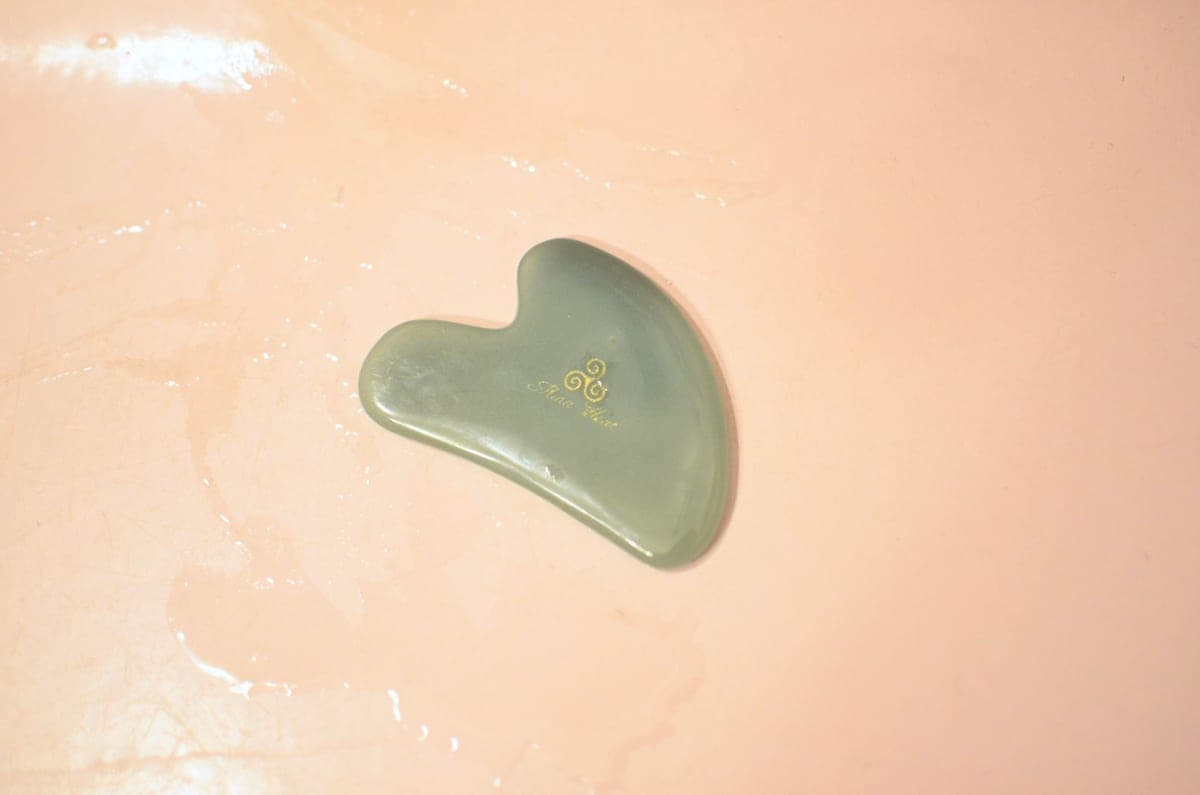
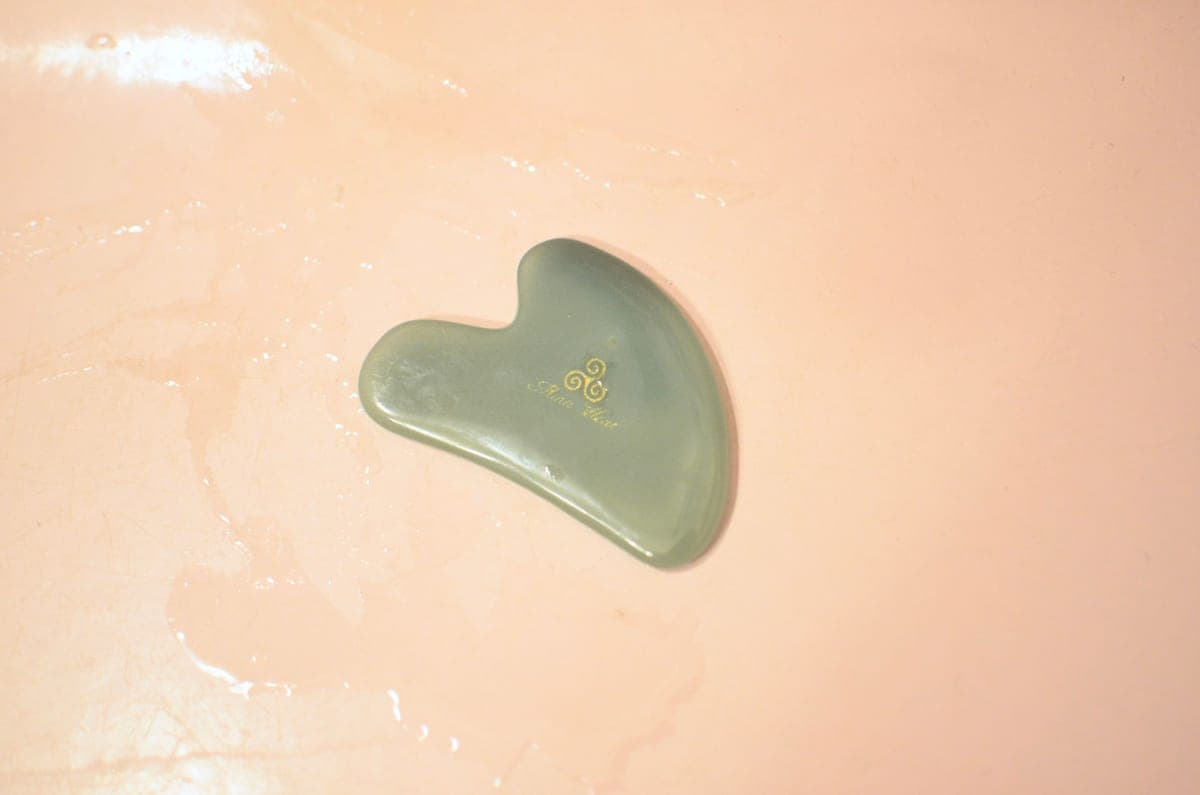
[Gua sha](/tools/gua-sha) adds a second effect that the roller mostly does not: sustained pressure against the muscles of the jaw, temple and brow releases tension in a way that is closer to massage than to drainage. For anyone who clenches their jaw, that is the more valuable of the two effects.
Both also provide a cooling effect, which independently reduces puffiness through vasoconstriction. That is why a chilled tool feels more effective — and it is also why a cold spoon works, which is worth knowing before spending money.
When to Choose Gua Sha
If you are buying one tool. It does everything the roller does and more, at the same price. The only thing it asks in return is that you learn the technique.
If you hold tension in your jaw. This is the strongest case for the tool and the effect people notice most. Bruxism and jaw clenching respond to sustained pressure in a way they do not respond to rolling.
If you want the larger drainage effect. More contact area and more pressure means more fluid moved per pass.
The technique matters and is not difficult: always work outward and downward towards the lymph nodes at the jaw and neck, always use slip — an oil or serum, never dry skin — and use light to medium pressure. Aggressive pressure causes bruising, which is the point of gua sha on the body and is not what you want on a face.
When a Roller Makes Sense
If you will not learn a technique. A roller is close to impossible to use harmfully, and a tool you actually pick up beats one you find intimidating.
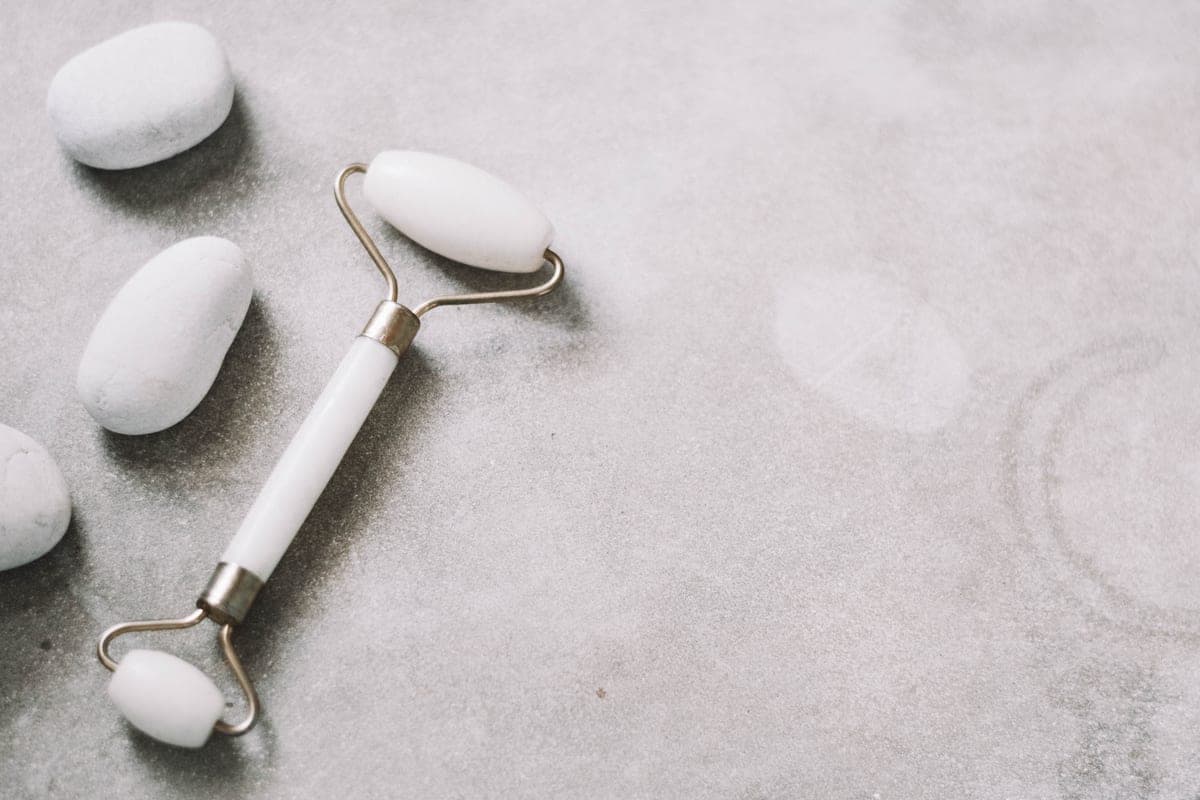
For a cooling morning pass. Kept in the fridge, a jade roller is a pleasant and effective way to reduce morning puffiness in ninety seconds.
Around the eyes. The small roller end is easier to use gently in the orbital area than a stone edge, and that is a legitimate advantage.
If your skin is very reactive or you have active acne. Lighter pressure and less friction. That said, neither tool should be dragged across inflamed spots — it spreads bacteria and irritates.
A Note on Materials
Jade, rose quartz, stainless steel, obsidian, bian stone — the material affects how cold it stays, how smooth the edge is, and how durable it is, and nothing else. Claims about the energetic properties of a particular stone are not something we can source, so we do not repeat them.
Practical considerations: stainless steel holds cold longest and is the easiest to sanitize. Rose quartz stays cool well and chips if dropped. Real jade is dense and expensive; a great deal of what is sold as jade is dyed serpentine, which performs identically and costs less. Buy on shape and edge quality rather than on stone.
One genuinely important point: clean the tool. It touches your face and then sits on a shelf. Wash it with soap and water after each use, especially if you are acne-prone.
A Pick for Each Side
Both are cheap, and the choice is genuinely about whether you will learn a technique.