What Azelaic Acid Actually Does
Azelaic acid is unusual in doing three genuinely different jobs at once, which is why it appears on rosacea, acne and pigmentation shortlists simultaneously.
- Anti-inflammatory. It reduces the inflammatory cascade in skin, which is the basis of its use in papulopustular rosacea and inflammatory acne.
- Antibacterial. It is active against Cutibacterium acnes, the organism involved in acne.
- Tyrosinase inhibition, selectively. It suppresses melanin production preferentially in overactive melanocytes, which is why it fades post-inflammatory hyperpigmentation and melasma without lightening surrounding normal skin.
- Mild keratolytic action. It normalizes keratinization in the follicle, reducing the plugs that become comedones.
The selectivity in the pigment effect is the part worth understanding. Unlike a broad brightener, azelaic acid acts hardest where pigment production is abnormal, so it is difficult to create the patchy over-lightening that a stronger agent can produce.
Despite the name, it is not an exfoliating acid in the way an AHA or BHA is. It does not lower the pH of your routine or cause visible peeling.
10% vs 15% vs 20%
| Strength | Availability | Notes |
|---|---|---|
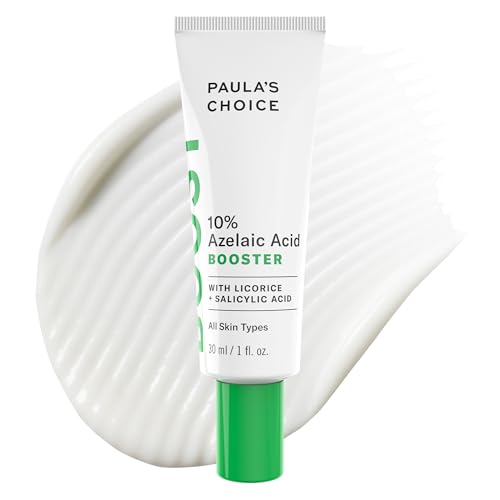
| 10% | Over the counter, worldwide | The cosmetic standard. Effective for pigment and mild redness with consistent use. |
| 15% | Prescription in most markets (gel) | The rosacea-indicated concentration. Studied specifically for papulopustular rosacea. |
| 20% | Prescription (cream) | The acne and pigment concentration. Older formulation, thicker base. |
The honest answer on the gap: 15% is meaningfully stronger than 10% for inflammatory rosacea, and the difference for pigment is smaller than the numbers suggest. If your concern is post-inflammatory marks, a well-formulated 10% used consistently for three months will do most of what you are hoping for.
Forms: Suspension, Gel and Cream
- Suspension. Common over the counter. Silicone-heavy, which gives a smooth primer-like finish some people love and others find pilling-prone under sunscreen.
- Gel. The prescription 15% format. Lighter, better for oily and rosacea-prone skin.
- Cream. The prescription 20% format and some cosmetic products. Richer, better for dry skin.
- In combination formulas. Increasingly paired with niacinamide or tranexamic acid for pigment, which is a rational stack rather than a gimmick.
How to Use Azelaic Acid
- Apply a thin layer to clean, dry skin. A pea-sized amount covers the face; more causes pilling, not more effect.
- Start once a day, in the evening. Twice daily is the standard clinical instruction once tolerated.
- Expect a mild transient tingle for the first week or two. Persistent burning is not expected.
- Give pigment twelve weeks and redness eight before judging it. This is a slow, cumulative ingredient.
- Apply it before heavier moisturizers and after any water-based serum.
- It can be used morning and night, and it does not cause photosensitivity — but wear sunscreen anyway, because pigment treatment without sun protection is pointless.
- If it pills under sunscreen, let it absorb for five minutes first, or move it to the evening only.
Who It Suits, and Who Should Avoid It
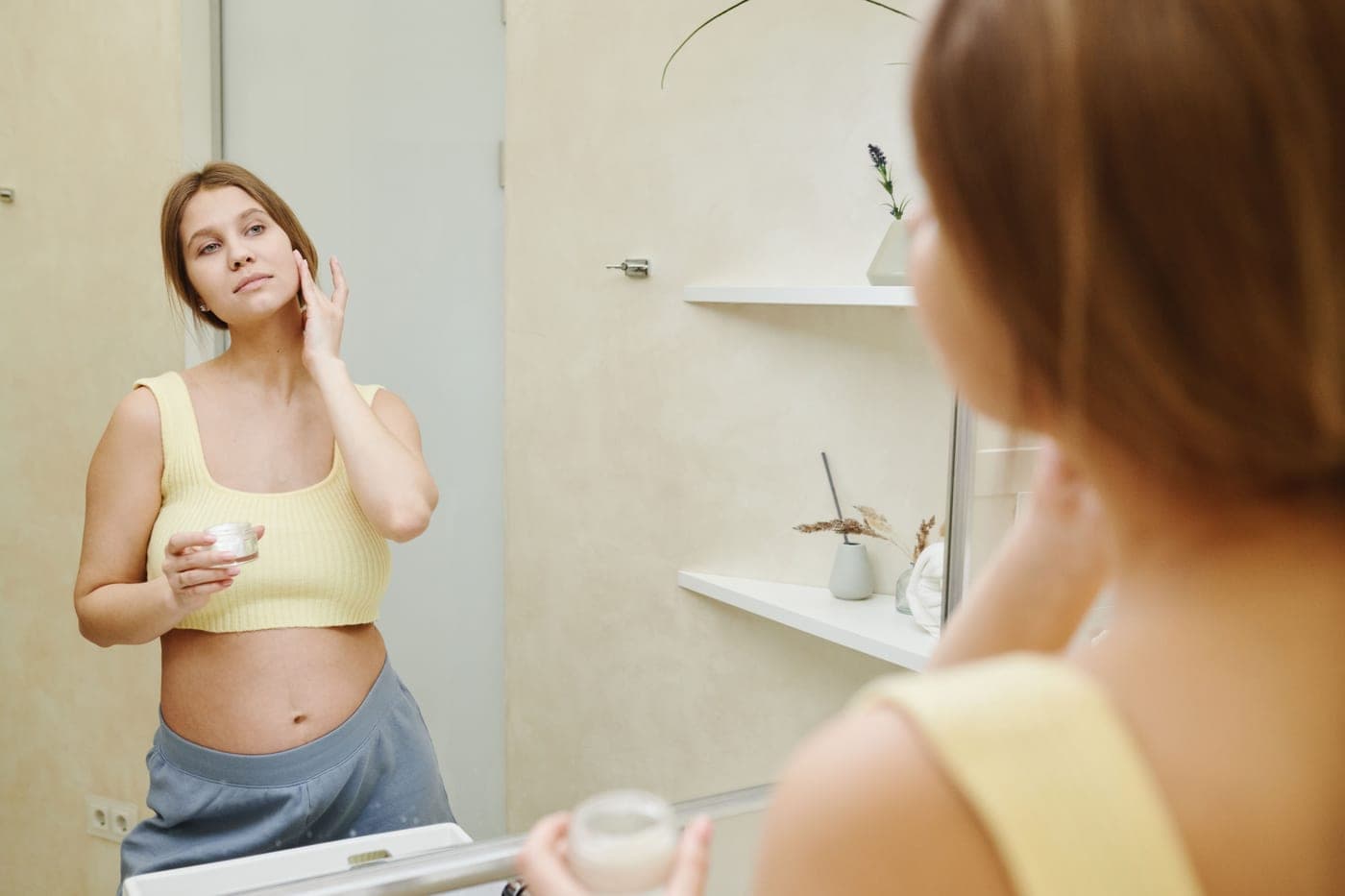
Azelaic acid suits rosacea-prone skin, adult acne with a pigment component, melasma, and anyone who cannot use a retinoid. It is the standard substitute during pregnancy and breastfeeding, when retinol is off the table.
- Very dry skin may find the silicone suspension formats drying-feeling despite there being no actual stripping mechanism. A cream format solves it.
- If you get persistent burning, stop. A minority of people simply do not tolerate it, and pushing through is not the correct move here.
- Deeper skin tones are well served by it — the selective tyrosinase action makes over-lightening unlikely, which is a genuine advantage over hydroquinone.
- It will not resurface texture. For that you need an exfoliating acid or a retinoid.
Pairings and Conflicts
| Combination | Verdict |
|---|---|
| Azelaic acid + niacinamide | Good. Two different pigment mechanisms plus redness control. See niacinamide vs. azelaic acid. |
| Azelaic acid + retinoid | Good, and a common prescription pairing. Alternate nights at first. |
| Azelaic acid + vitamin C | Fine. Separate by time of day if either stings. |
| Azelaic acid + AHA or BHA | Usually fine, but it is a lot of acid. Alternate rather than stack while adjusting. |
| Azelaic acid + benzoyl peroxide | Fine, and a reasonable acne stack. Both are drying. |
| Azelaic acid during pregnancy | One of the few actives generally considered acceptable. Confirm with your own clinician. |
Beyond the Face: Back, Chest and Body
Azelaic acid works on body acne and the marks it leaves behind, and the mechanism is identical. The obstacle is quantity — treating a back with a facial-sized tube of a 10% suspension is an expensive proposition, and this is one of the few cases where a prescription format is also the cheaper one per gram.
It is not used for scalp conditions in cosmetic products, and there is no reason to apply it to the lips or eye area.
Where to Start
Two over-the-counter 10% products with different vehicles, because vehicle is the real variable. More in best azelaic acid products.