The Short Answer
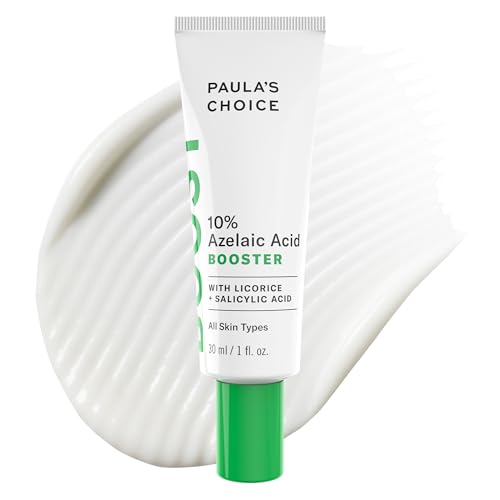
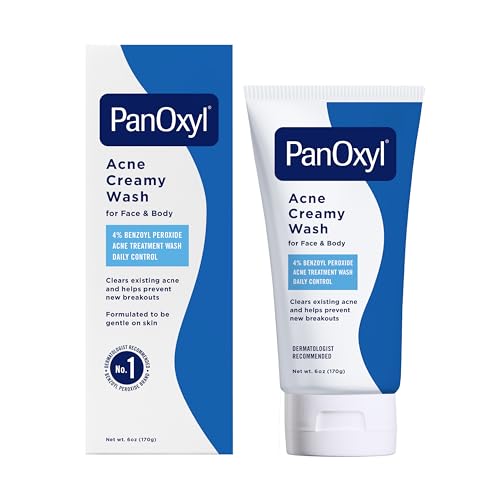
These are not competing versions of the same thing. Benzoyl peroxide is an antibacterial that releases oxygen into the pore and kills Cutibacterium acnes; azelaic acid is a dicarboxylic acid that reduces inflammation, has mild antibacterial and keratolytic activity, and inhibits pigment production. They treat different stages of the same condition.
| Your main problem | Start with | Why |
|---|---|---|
| Active pustules and whiteheads | Benzoyl peroxide | Directly reduces the bacteria driving them |
| Red, inflamed papules | Either; azelaic if reactive | Both reduce inflammation; azelaic stings less |
| Dark marks left after spots heal | Azelaic acid | Benzoyl peroxide does nothing for pigment |
| Rosacea with bumps | Azelaic acid | Benzoyl peroxide usually makes rosacea worse |
| Body acne on chest and back | Benzoyl peroxide wash | Rinse-off format covers large areas cheaply |
| Acne plus sensitivity | Azelaic acid | Far lower irritation and no bleaching risk |
How They Actually Differ
| Azelaic acid | Benzoyl peroxide | |
|---|---|---|
| Main action | Anti-inflammatory, anti-pigment | Antibacterial |
| Typical OTC strength | 10% | 2.5% to 10% |
| Fades post-acne marks | Yes | No |
| Bleaches towels and pillowcases | No | Yes, permanently |
| Safe in pregnancy | Generally considered so | Discuss with a clinician |
| Usual complaint | Mild tingling, gritty texture | Dryness, peeling, irritation |
| Works on rosacea | Yes, it is a rosacea treatment | Usually aggravates it |
The bleaching point is not a footnote. Benzoyl peroxide oxidizes fabric dye on contact and the marks do not wash out, which is why every experienced user owns white pillowcases and old towels. Azelaic acid has no such problem.
Who Each One Suits
- Benzoyl peroxide suits inflammatory acne with visible pus, body acne over large areas, and anyone who has not yet tried a true antibacterial.
- Azelaic acid suits reactive skin, rosacea, post-inflammatory hyperpigmentation, pregnancy, and anyone who found benzoyl peroxide intolerable.
- Neither treats blackheads well. Those are a plugging problem — salicylic acid is the tool.
- Neither is a retinoid. If acne keeps returning rather than lingering, a retinoid addresses the cause — see retinol vs adapalene.
The practical asymmetry: benzoyl peroxide is more powerful on the thing it does and much easier to overdo. Azelaic acid is slower, gentler and does more jobs at once. Most people who abandon acne treatment abandoned benzoyl peroxide, and most of them used too much of it too often.
Using Both, Without Wrecking Your Face
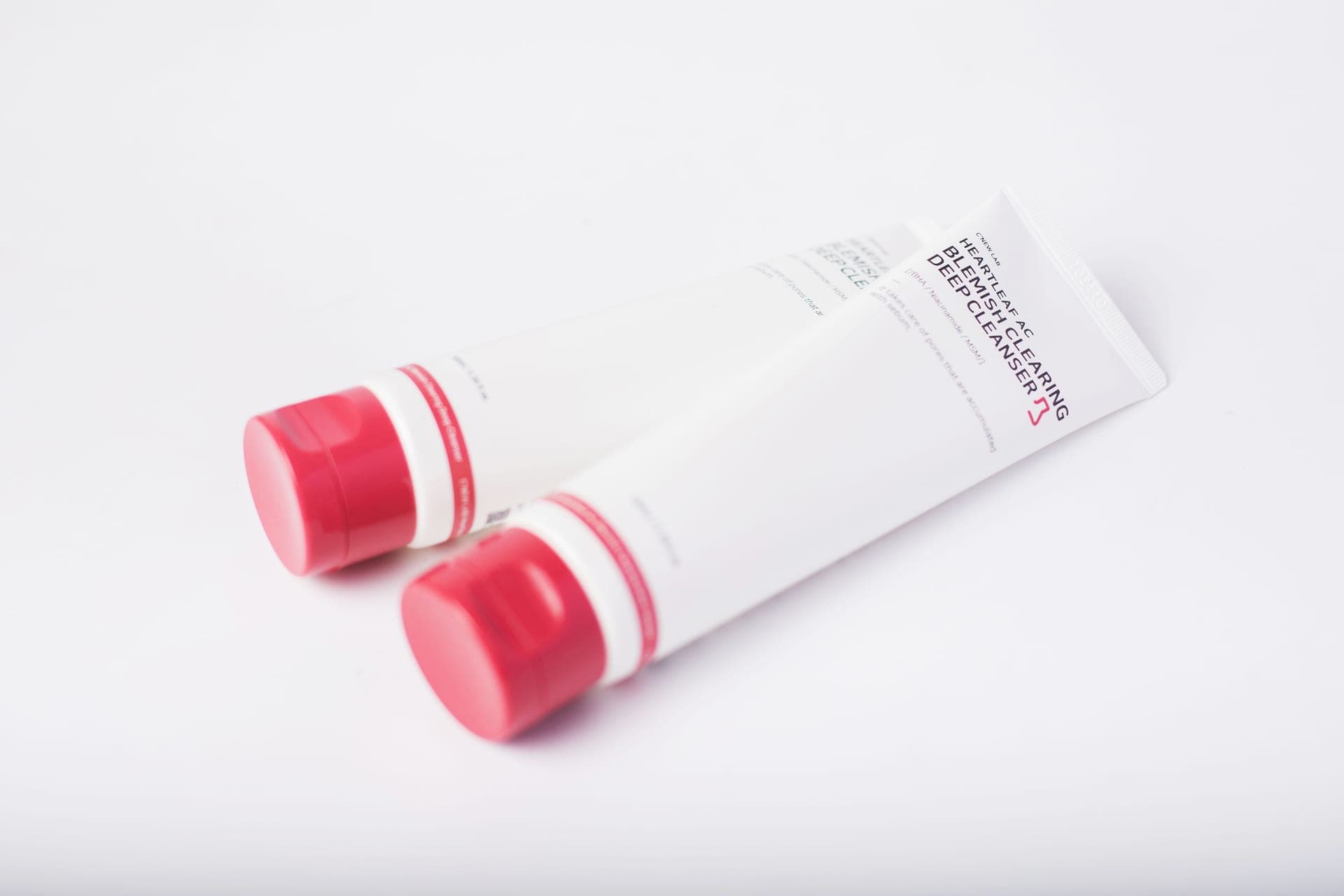
- Benzoyl peroxide as a wash, azelaic acid as a leave-on. The simplest way to run both: the antibacterial rinses off, the anti-inflammatory stays.
- Or alternate nights if you want both as leave-ons. Do not layer them wet-on-wet.
- Start each one alone for two weeks. Adding two actives at once means you cannot tell which is working or which is stinging.
- Moisturize after both. Barrier damage is the usual reason acne routines fail — see best moisturizer for oily skin.
- Sunscreen daily, because both leave skin more reactive to UV and pigment darkens without it.
- Give it twelve weeks. Acne treatments are judged in months, not weeks.