The Claim and the Evidence
The claim: silk pillowcases prevent wrinkles, improve skin and transform hair.
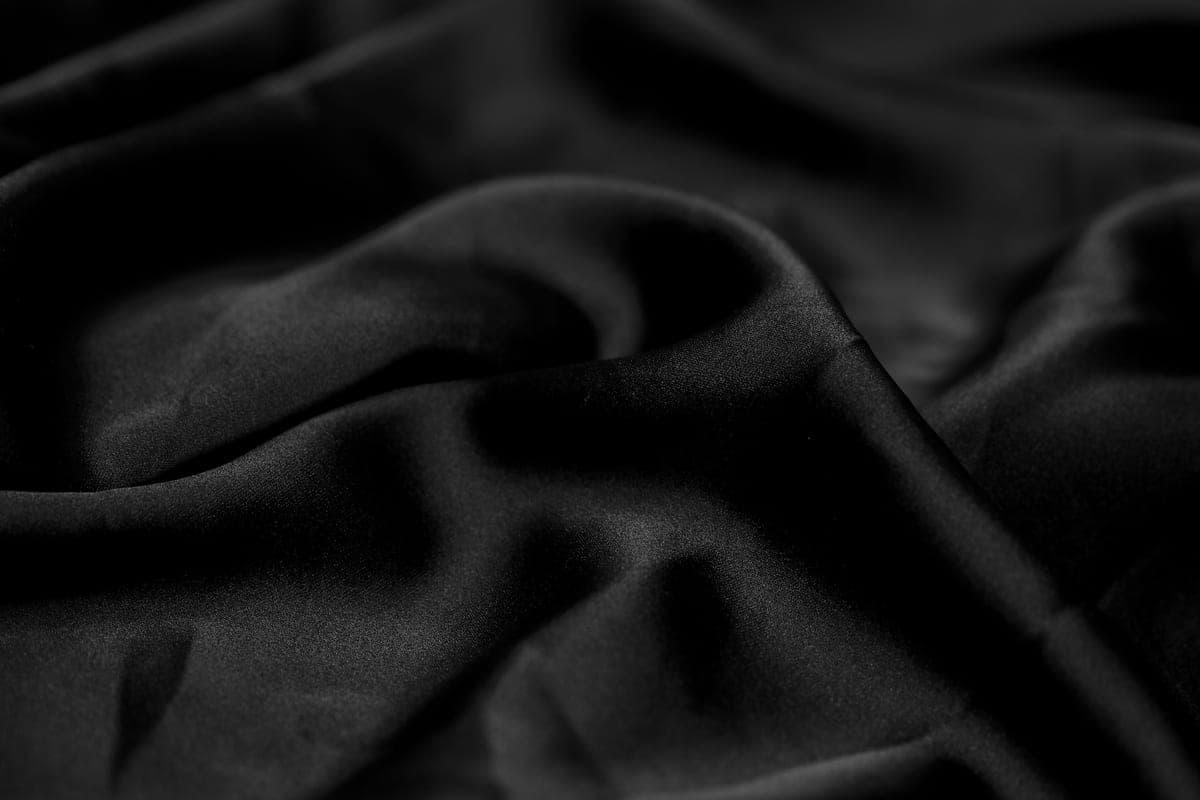
What the mechanism supports: silk has a smoother surface than cotton, so it produces less friction. Less friction means less mechanical hair damage — which is the best-supported benefit and the reason silk and satin have been standard in curly and textured hair care for decades. It also means less morning creasing, since your face slides rather than bunches.
The absorbency point is real too. Cotton is highly absorbent and wicks moisture and product away from skin and hair overnight. Silk absorbs considerably less, so your night moisturizer stays where you put it.
Where the gap sits: wrinkles are caused by UV damage, collagen loss and repeated muscle movement. Sleep creases are temporary compression marks. Reducing creasing does not prevent wrinkles, and no fabric addresses the mechanisms that do cause them. If wrinkles are the concern, sunscreen and a retinoid are the answer.
Momme: The Only Specification That Matters
Momme (pronounced *mommy*) is the weight measure for silk, analogous to thread count for cotton. It describes the weight in pounds of a piece of silk of a standard size, and it is the single specification that separates a good pillowcase from a disappointing one.
| Momme | Character |
|---|---|
| 12 to 16 | Lightweight. Thin, less durable, cheapest. Fine for a trial. |
| 19 to 22 | The standard range for bedding. Durable, good drape, the sensible buy. |
| 25 and above | Heavy and luxurious. Noticeably denser; considerably more expensive. |
22 momme is the usual recommendation — durable enough to survive regular washing, substantial enough to feel like what you paid for. Below 19 the fabric thins quickly with laundering. A listing that does not state momme is a listing avoiding the question.
Silk Is a Fiber, Satin Is a Weave
This confusion is everywhere in this category and it is worth being precise about.
Silk is a natural protein fiber produced by silkworms. Satin is a weave structure that produces a glossy surface, and it can be woven from silk, polyester, nylon or anything else. A satin pillowcase is almost always polyester.
Does that matter? For friction, less than you would think. Polyester satin is smooth and delivers much of the hair-breakage benefit at a fraction of the price, which is why it is widely used and widely recommended in textured hair care.
For absorbency and breathability, yes. Polyester does not breathe, so a satin pillowcase can sleep warm — a genuine drawback if you overheat at night. Silk is more breathable and better at temperature regulation.
So: if the goal is purely reducing hair breakage on a budget, satin is a legitimate choice and we would rather say so than push you to silk. If breathability and absorbency matter, silk earns the difference.
Care, Which Determines Whether It Lasts
- Wash in a mesh bag on a cold delicate cycle, or by hand.
- Use a pH-neutral or silk-specific detergent. Standard detergents frequently contain enzymes that degrade protein fibers — which is what silk is.
- No bleach, no fabric softener, no optical brighteners.
- Air dry away from direct sunlight. A tumble dryer is the fastest way to ruin it.
- Wash weekly, more often for acne-prone skin. A pillowcase collects oil and product regardless of what it is made of.
- Expect [benzoyl peroxide](/compare/salicylic-acid-vs-benzoyl-peroxide) to bleach it. If that is in your routine, use a white pillowcase or accept the marks.