Clean Is Not a Regulated Term
There is no legal definition of clean beauty in the United States, the European Union, or anywhere else. No agency certifies it, no standard governs it, and no two retailers use the same criteria. Each major retailer maintains its own list of excluded ingredients, and those lists do not agree with each other.
What the word usually signals in practice is a free-from list: no parabens, no sulphates, no synthetic fragrance, no phthalates, sometimes no silicones. Whether any given exclusion improves the product depends entirely on the ingredient, and several of the most commonly excluded ones have safety records that do not support the exclusion.
None of that makes clean products bad. Many are well formulated, and the fragrance-free ones in particular suit reactive skin. It makes the *word* uninformative — which is why the pages in this hub evaluate formulation and finish rather than whether a product qualifies for a retailer's list. The full treatment is in clean beauty explained.
What to Look for Instead
Four questions do more work than any free-from list.
- Is it fragrance-free? Fragrance is the most common cause of cosmetic contact allergy, and fragrance-free is a claim you can verify on the ingredient list. This is the single most useful filter for reactive skin.
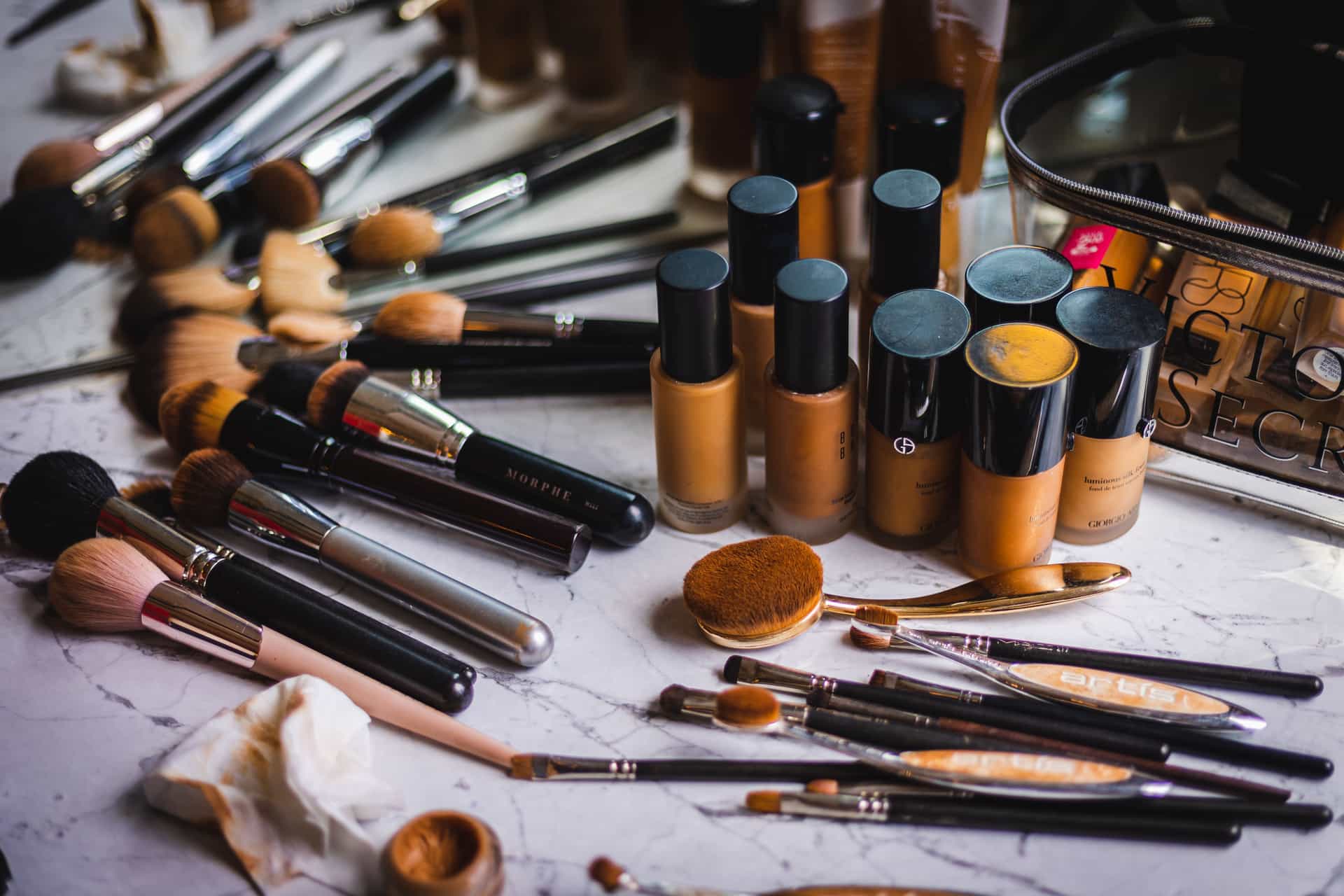
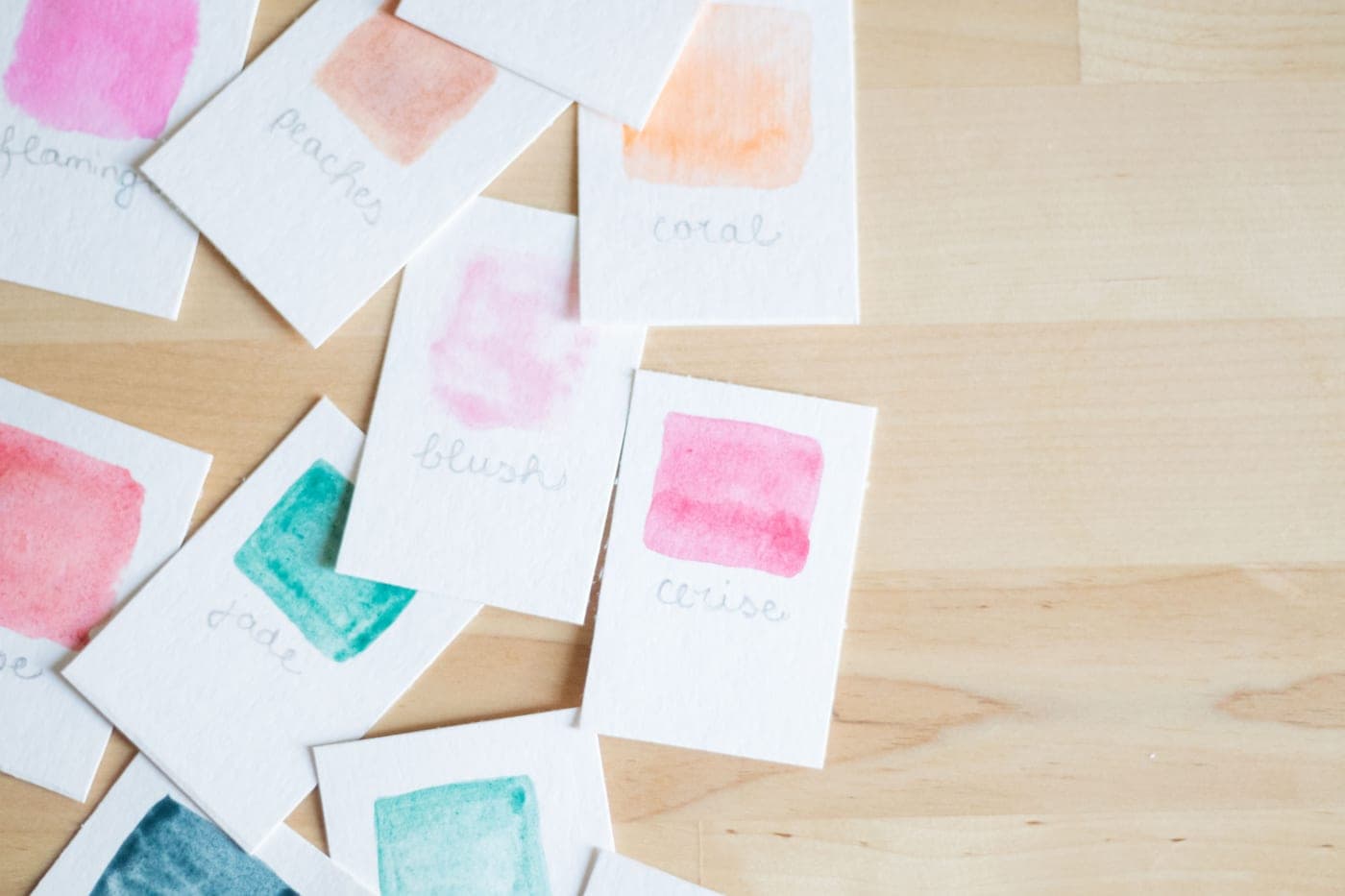
- Does the shade range cover you? A beautifully formulated concealer in the wrong undertone is a worse purchase than an ordinary one in the right shade. This is not a formulation question and it is the one that decides satisfaction.
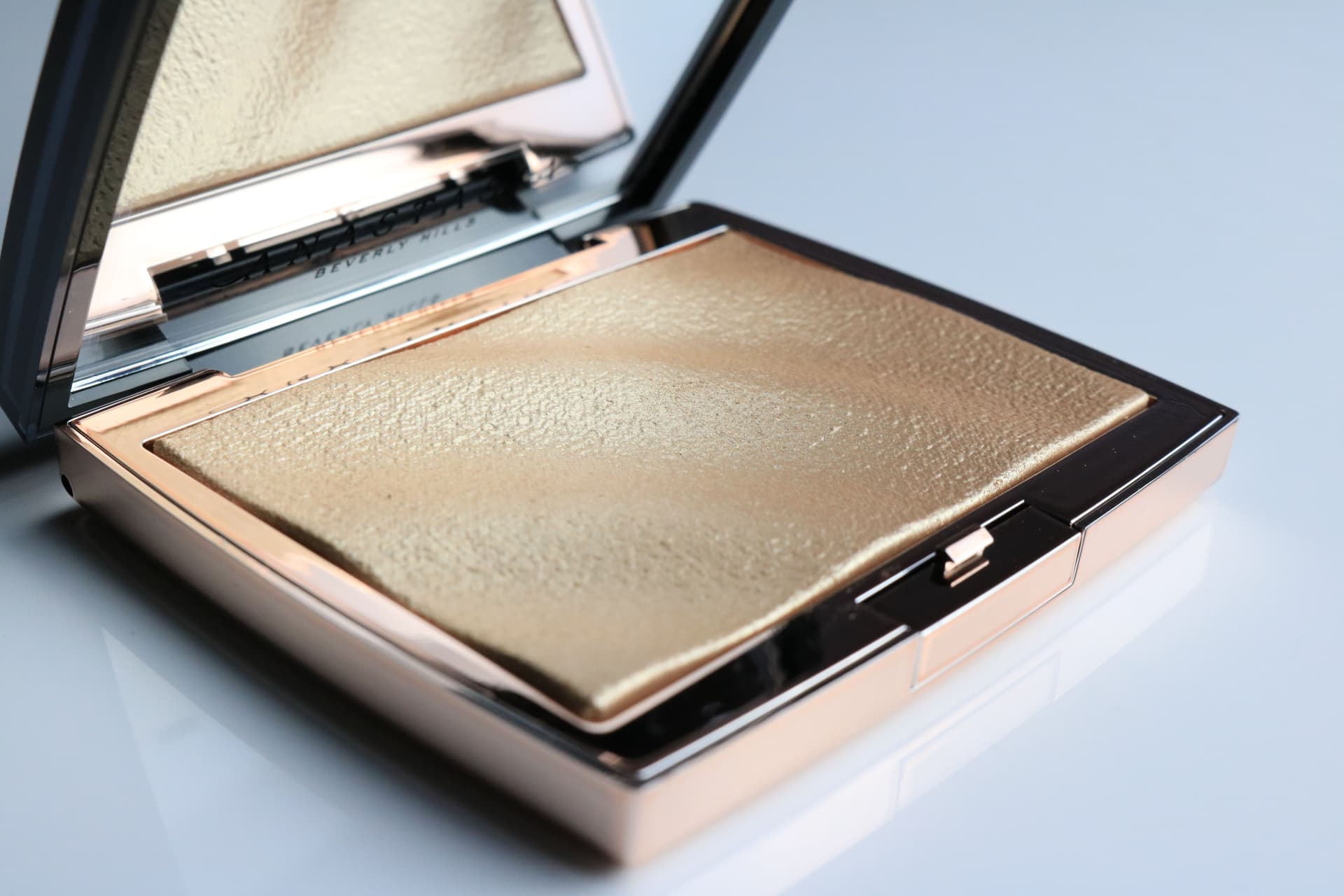
- What is the finish, and does it match your skin? Dewy finishes emphasize texture; matte finishes emphasize dryness. Most product disappointment traces to this rather than to ingredients.
- Does it contain an SPF you are relying on? Makeup SPF is real but is almost never applied at the tested quantity. Treat it as a bonus, never as your sun protection — see zinc oxide.
This hub is deliberately the smallest on the site. The searches in this category skew heavily to retailer-navigational and tutorial intent, and neither is well served by an independent reference page. Where the intent is genuinely product-shaped — concealers above all — we cover it properly.
The Skincare Answer to a Makeup Problem
A large share of makeup complaints are skincare problems wearing a makeup costume. Foundation clinging to flakes is a barrier problem. Concealer creasing into fine lines is often a hydration problem. Color oxidizing over the day is usually a sebum problem.
The corresponding fixes live in the ingredients hub: a ceramide moisturizer for flaking, a hyaluronic acid layer under makeup for creasing, and niacinamide over several weeks for oil control. None of these is a faster fix than buying a different concealer, and all of them last longer.