Why Makeup Behaves Differently
Three changes matter for makeup specifically. Skin holds less water, so anything that absorbs moisture looks dry on it. Surface texture is less even, so light-scattering powder collects in the low points. And the face has lost some volume, so heavy coverage reads as flat rather than smooth.
| What you notice | What is causing it | The fix |
|---|---|---|
| Foundation sitting in fine lines | Powder or a drying formula | A cream or hydrating liquid, applied thinly |
| Concealer creasing by noon | Too much product, then too much powder | Less of both, smaller brush |
| Makeup looking flat or masky | Full coverage across the whole face | Sheer base, coverage only where needed |
| Blush looking patchy | Powder over dry or textured skin | Cream blush pressed in with fingers |
| Lipstick feathering | No barrier at the lip edge | A clear or matched liner |
| Eyeshadow gathering in the crease | Powder shadow with no primer | Cream shadow, or primer first |
What to Look For
- Cream and liquid over powder, for base, blush and shadow alike. This is the single biggest change.
- Sheer and buildable, so you can put coverage where the unevenness is and nothing where it is not.
- Satin or luminous finishes, not flat matte, which emphasizes texture.
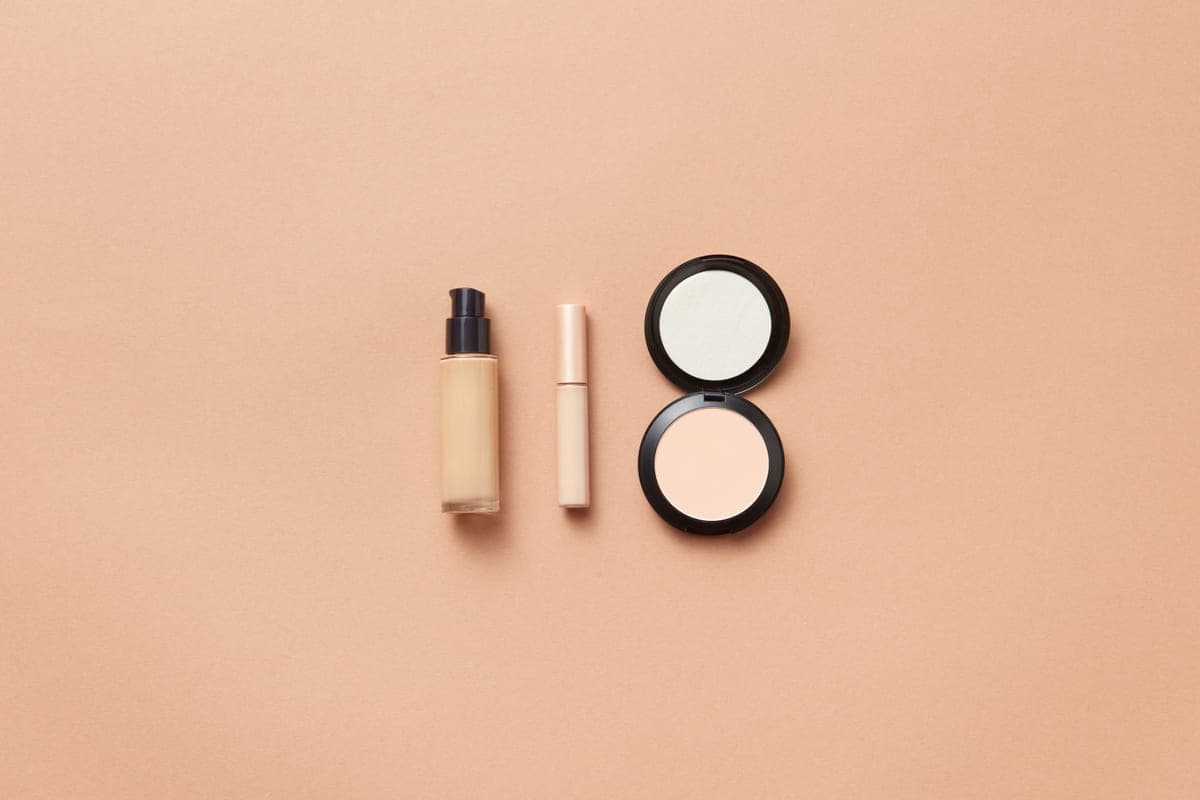
- Hydrating bases: a foundation or tinted moisturizer with humectants behaves better all day.
- Small amounts of finely milled powder, if any — and only on the T-zone.
- A liner for lips, which stops the feathering that makes color look untidy.
- Skincare first, and let it absorb fully. Makeup applied over tacky moisturizer moves and separates.
- Prime only where you need it, usually the T-zone or around the nose.
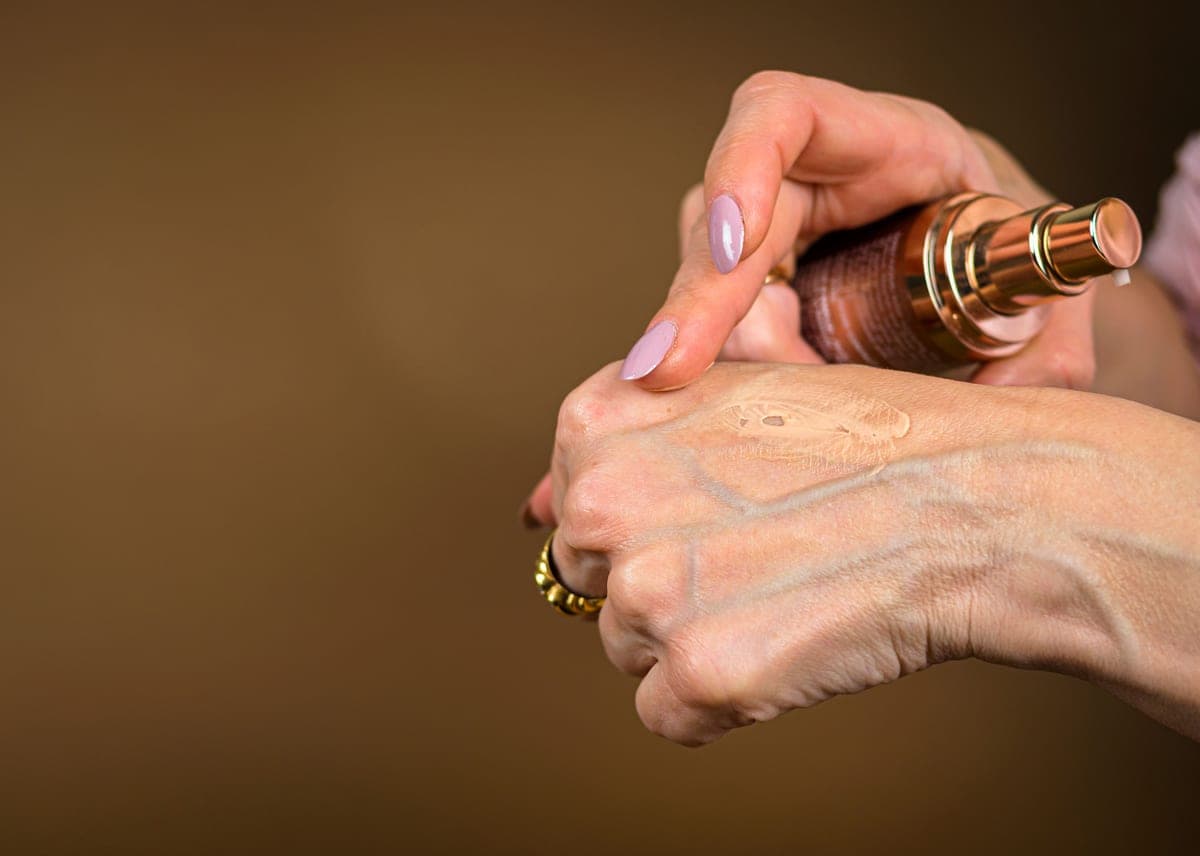
- Apply base with fingers or a damp sponge, which presses product into skin rather than dragging it across texture.
- Conceal after the base, not before — you will need less once the base has evened things out.
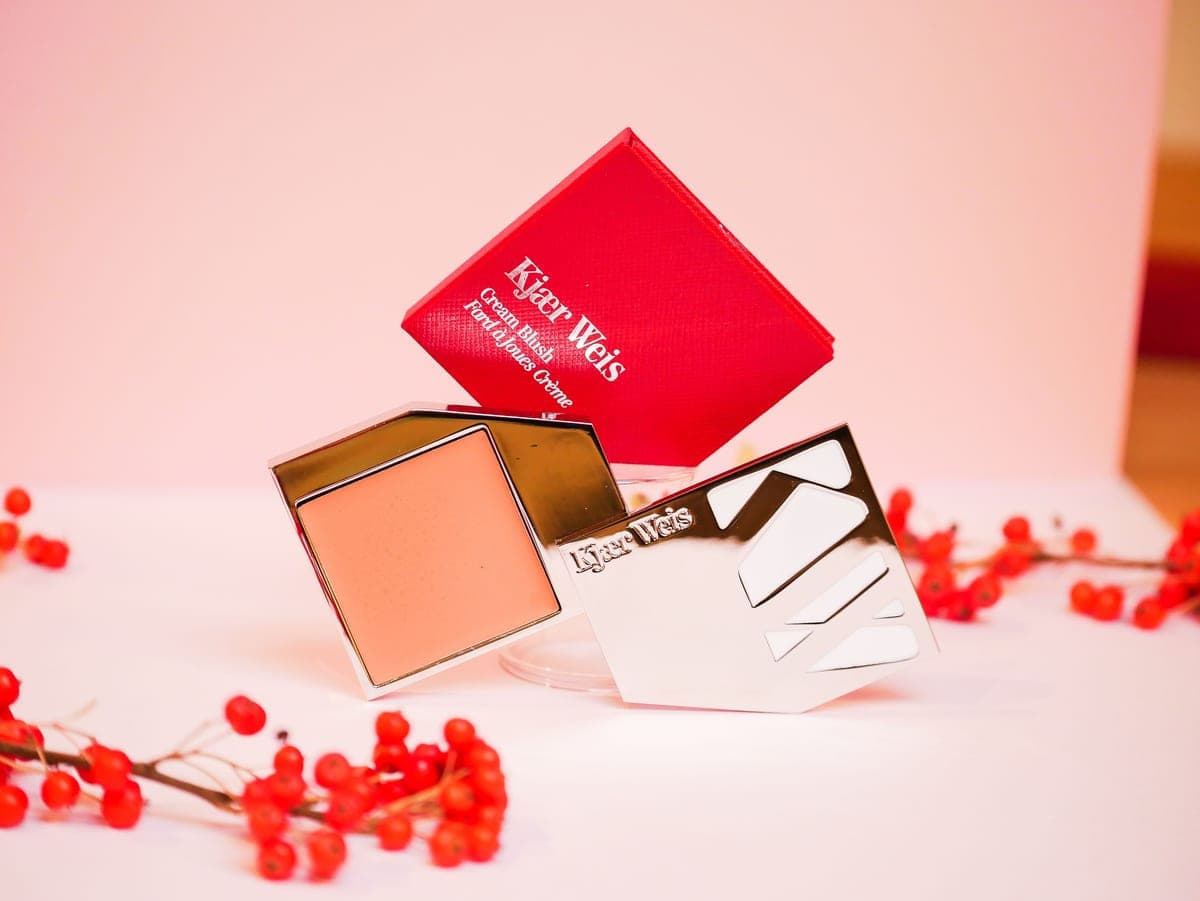
- Cream blush before any powder, pressed on with fingertips.
- Set with the faintest dusting, T-zone only, and leave the rest alone.
Eyes and Lips
The eye area is where technique matters more than product. Lids are thinner and less taut, so anything heavy, powdery or shimmery settles into the crease within an hour.
- Cream shadow or a primer under powder shadow. Either works; nothing works without one.
- Matte or satin shadows, since heavy shimmer emphasizes crepiness.
- Pencil or gel liner rather than liquid, which is easier to place on a softer lid.
- Line the upper lash line only, and smudge it. A hard line under the eye drags it down.
- Curl lashes and use a lengthening mascara; volumizing formulas flake more.
- Fill brows with a soft pencil or tinted gel, because brows thin with age and frame everything else — see best brow pencils.
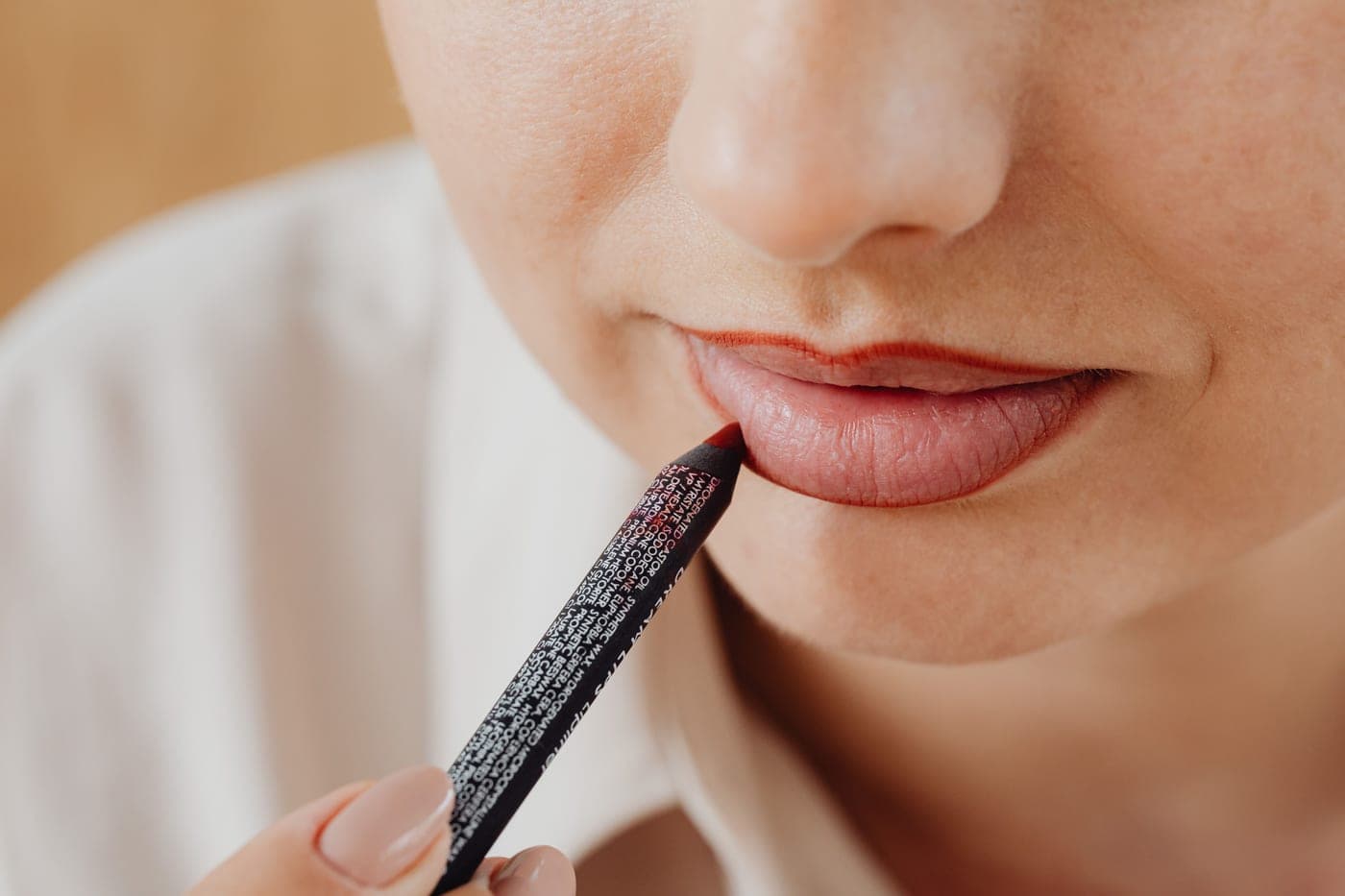
On lips, the useful step is the least glamorous: a clear or matched liner around the edge stops color migrating into the fine lines around the mouth, which is what makes lipstick look untidy by lunchtime. Our best lip liners page covers the shade logic.
What Actually Fixes the Underlying Issue
Makeup on mature skin works better when the skin is better hydrated, and that is a skincare job rather than a cosmetics one.
- A richer moisturizer changes how every base product sits — see best moisturizer for dry skin.
- Daily sunscreen is the only product with strong evidence for preventing further texture change.
- A retinoid has the best evidence for improving texture over months — see retinol.
- Less exfoliation than you think. Over-exfoliated skin is drier, and drier skin shows more texture.
- Patience. Skincare changes texture on a timescale of months; makeup changes it for a day.