What a Liner Is Actually For
| Job | How it works | Who needs it |
|---|---|---|
| Stopping feathering | A waxy barrier at the lip edge | Anyone wearing bright or dark color |
| Defining the edge | A crisp line the lipstick sits inside | Soft or uneven lip edges |
| Reshaping | Lining a fraction outside or inside the natural line | Anyone wanting more or less fullness |
| Wearing alone | Liner all over, blotted, as a stain | Long days; the most durable way to wear color |
| Making lipstick last | A base layer that grips the color | Slippery or glossy formulas |
The most useful of these is the least glamorous: a clear or nude liner around the edge stops an expensive lipstick migrating into the fine lines around the mouth by lunchtime. That is a wax barrier doing mechanical work, and it does not depend on the shade at all.
Choosing a Shade
- Close to your natural lip if you want definition without an obvious line. This is the safest default.
- Matched to the lipstick if you want the color to look deliberate and last longer.
- Clear, if you only want to stop feathering. It works under everything and cannot go wrong.
- Never two shades darker than the lipstick. That is the visible-ring look, and it is the reason liners fell out of favor for a decade.
- Nude liners are not universal. A liner lighter than your lips reads chalky; match depth first, undertone second.
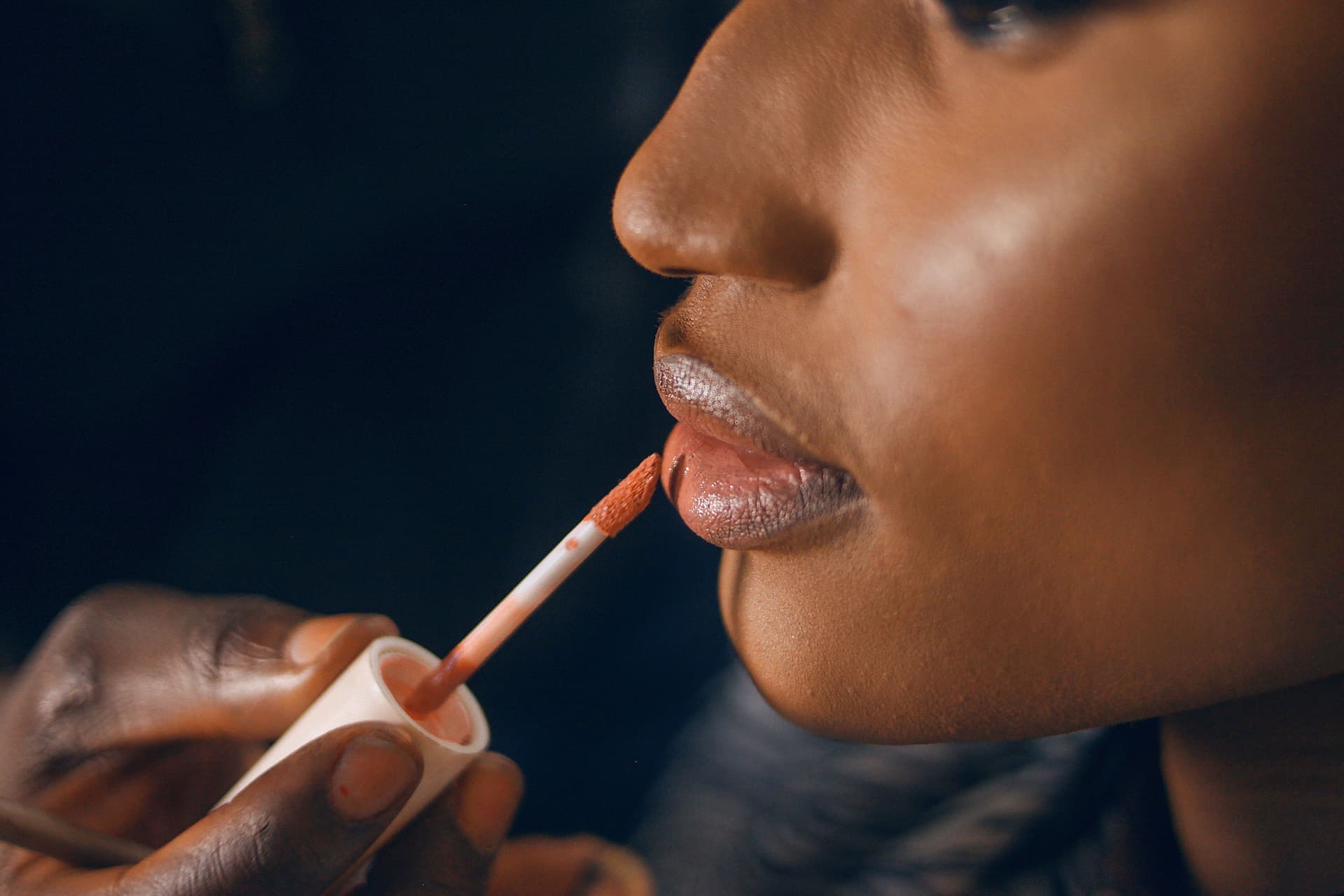
How to Line Without a Visible Edge
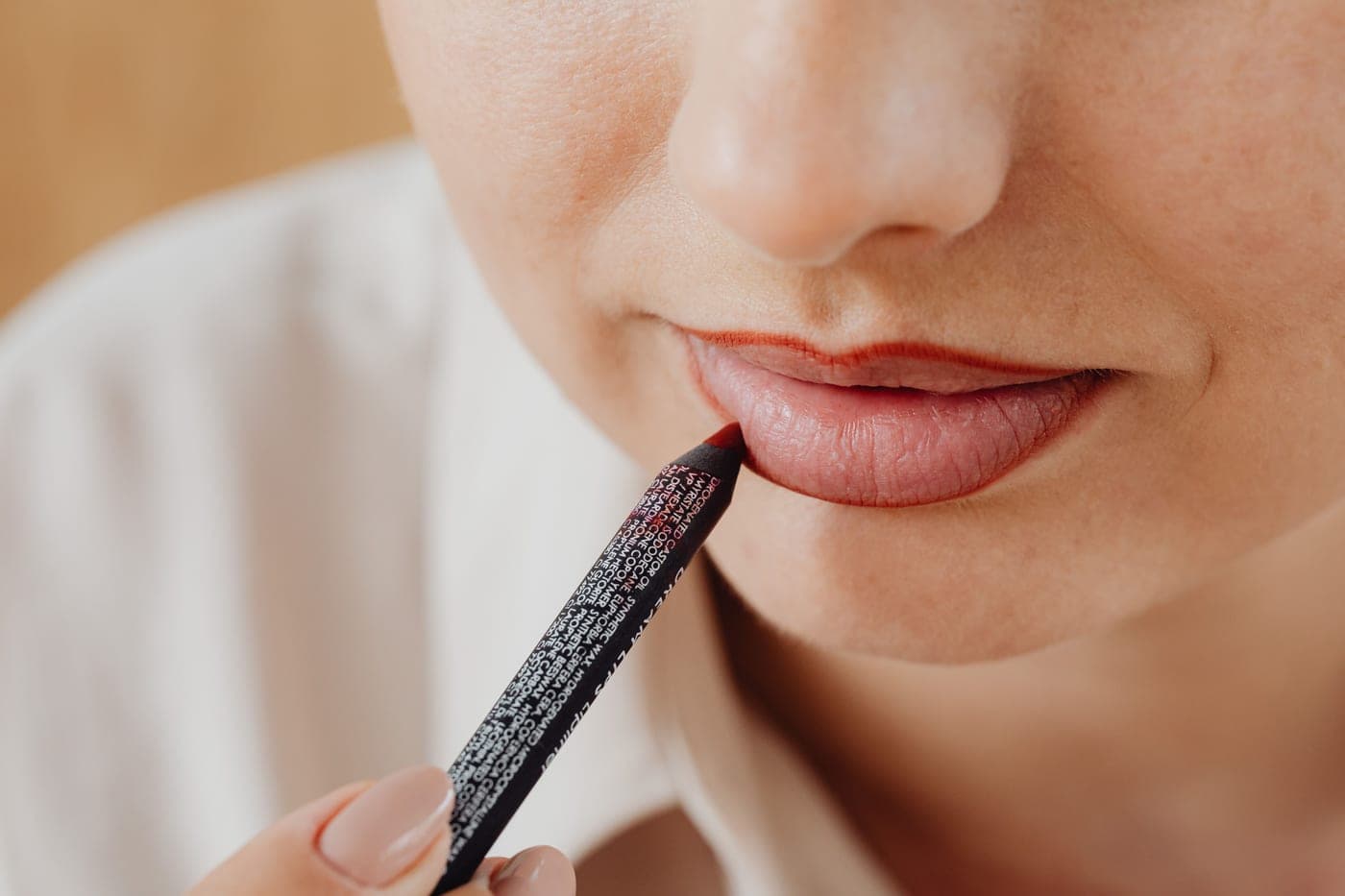
- Start at the cupid's bow and draw two short strokes following its shape.
- Work outward to each corner, in small strokes rather than one long line.
- Line the lower lip from the center out, and stop just short of the corners.
- Fill the whole lip in, not just the edge. This is what stops a ring appearing as lipstick wears off.
- Blend the inner edge with a fingertip before applying lipstick.
- Blot, reapply and blot again for the longest wear — see lip oil vs lip balm for when you want the opposite of all this.
Pairing a Liner With What Goes on Top
A liner behaves differently depending on what follows it, and most disappointment in this category comes from pairing a dry liner with a slippery product or the other way around.
| On top | What to line with | Why |
|---|---|---|
| Matte lipstick | A creamy liner in a matched shade | Matte formulas cling to dry liner and go patchy over it |
| Satin or cream lipstick | Any liner; filled in fully | The most forgiving combination |
| Gloss or lip oil | A firm liner, filled in lightly | Gloss travels, and the barrier is the whole point |
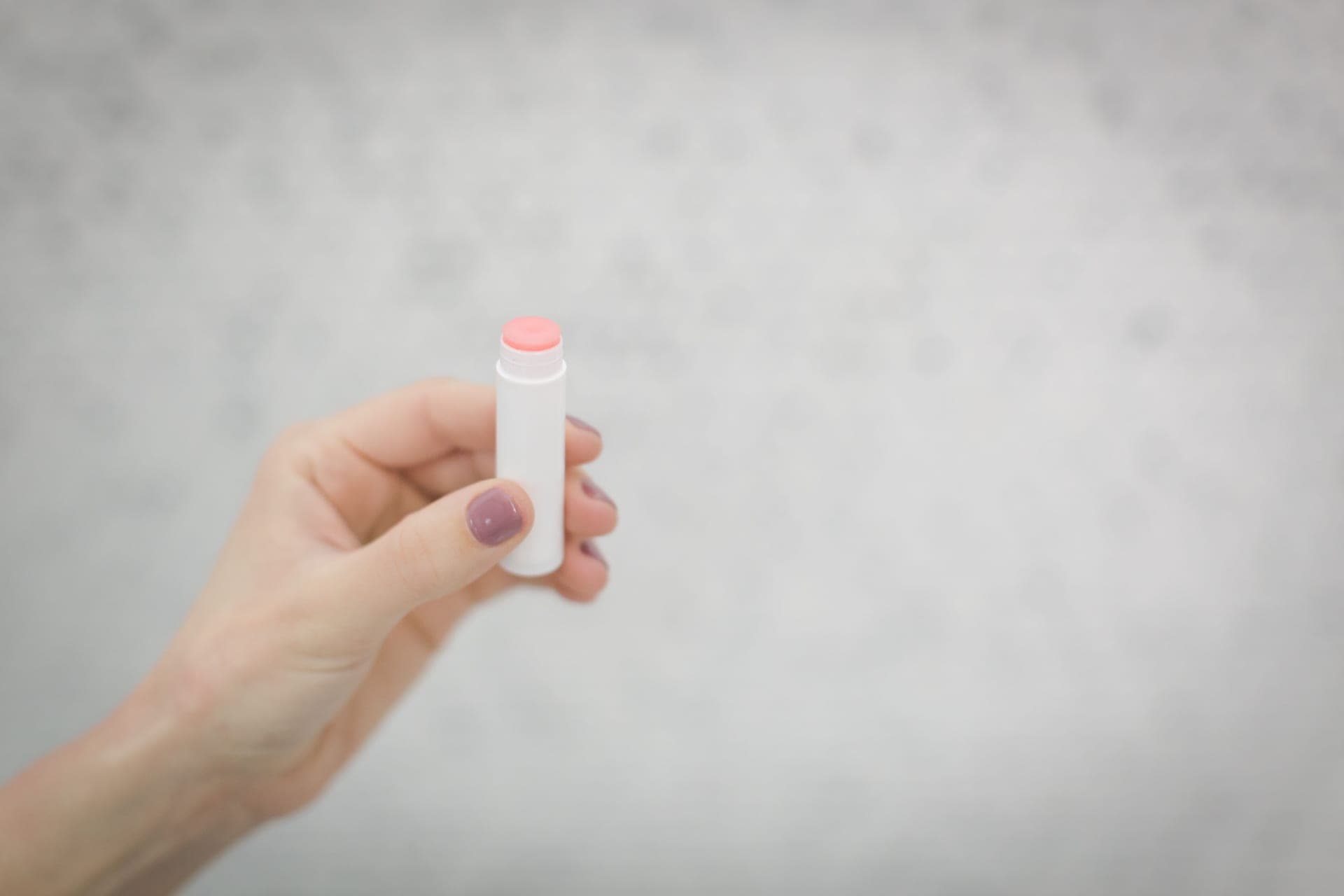
| Tinted balm | Clear liner only | Color under a sheer balm reads as a ring |
| Nothing | A creamy liner, blotted | The most durable way to wear color, if the driest |
Lip oils are the hardest case, because their entire appeal is movement — see best lip oils. A clear liner around the edge keeps the shine where you want it without fighting the texture, and it is the one use of liner that almost nobody thinks of.
Lastly, dry lips defeat every liner ever made. If yours are flaking, the sequence is balm, wait, blot, then line — not a heavier pencil. Our lip balm roundup covers what actually repairs them.