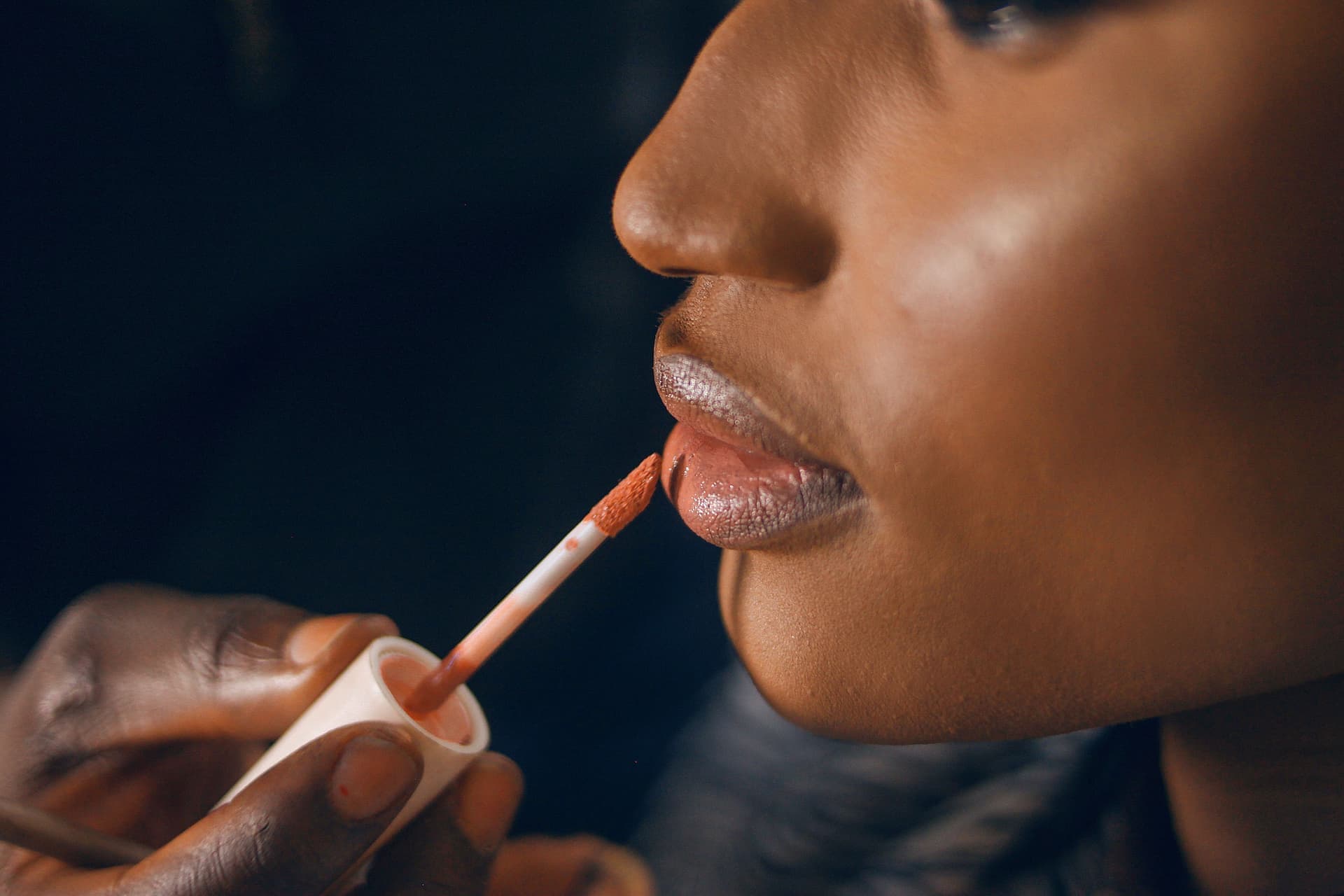
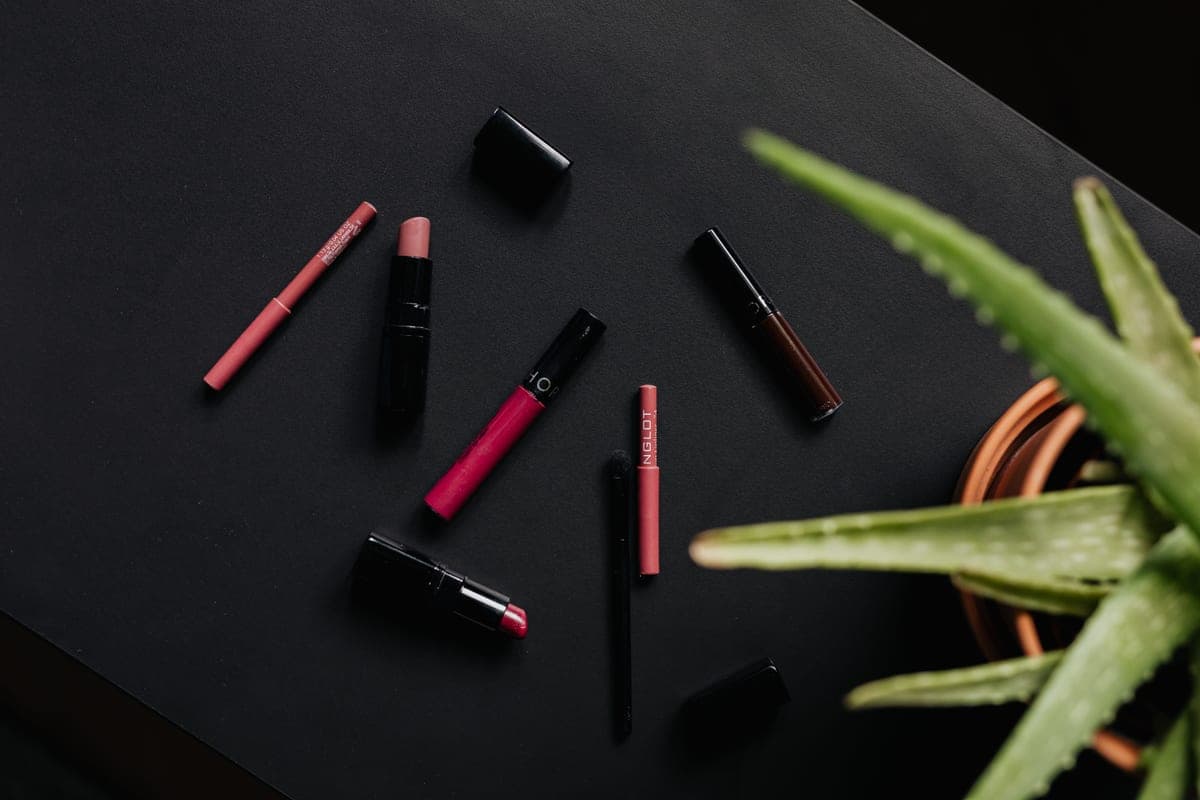
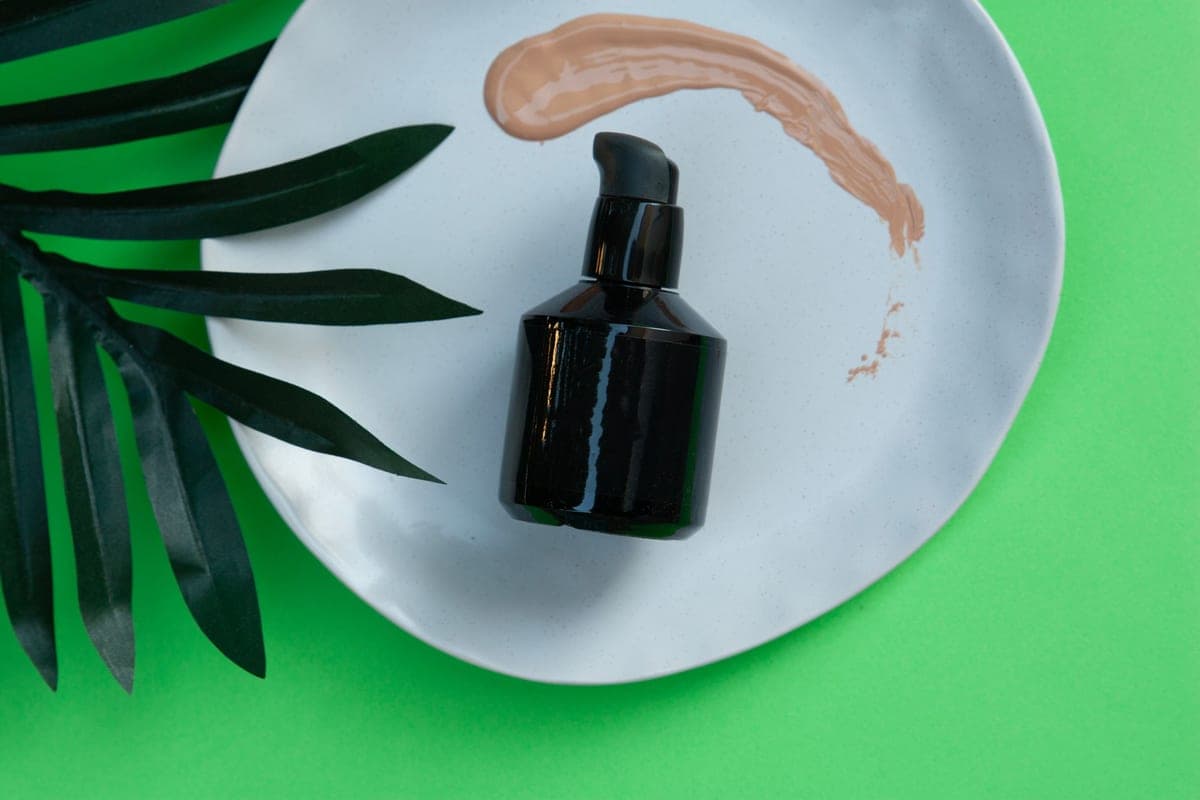
A lip oil is the most comfortable way to wear shine. It is not a repair product, and it is worth knowing that before you buy one for chapped lips.
By Sawyer V. · Published September 10, 2026 · Last updated September 10, 2026
The short answer
Lip oils give glossy shine and a sheer tint with less stickiness than gloss, and they keep lips feeling soft. They are best on lips that are already healthy. For dry or chapped lips, an occlusive balm or ointment does more; lip oil softens but wears off quickly and protects less.
Disclosure: Glow & Gild earns a commission when you buy through links on this page, at no extra cost to you. It does not change which product we recommend, and no brand pays for placement here. Read the full disclosure.
How We Picked
We chose for finish and comfort first — shine without heavy stickiness — then for tint range and applicator, and noted where flavoring or fragrance may bother sensitive lips. We have not tested these.
Everyone in this category says they tested twenty of these. We have not tested any, and we say so. What we did instead: compiled the published concentrations and ingredient lists, checked each claim against what the formula can actually support, and wrote down who each product is wrong for. The full method is published so you can check it.
What Lip Oils Do Well, and Where They Stop
Lip oils are built from emollient oils, often with a sheer tint. They give a glossy, cushioned finish that feels less tacky than traditional gloss, and they leave lips soft. That is their job, and they do it well.
What they do less well is protect. Oils are thin and absorb or wipe off within an hour or two, so on chapped lips they soften without sealing moisture in. Dermatology guidance for chapped lips favors a bland, occlusive ointment. The difference is set out in lip oil vs. lip balm.
How to Choose
If you want
Look for
Just shine and softness
A clear or very sheer oil
A wash of color
A tinted oil in your natural lip shade or a shade deeper
Less stickiness than gloss
An oil rather than a gloss
Repair for chapped lips
A balm or ointment instead — see the comparison
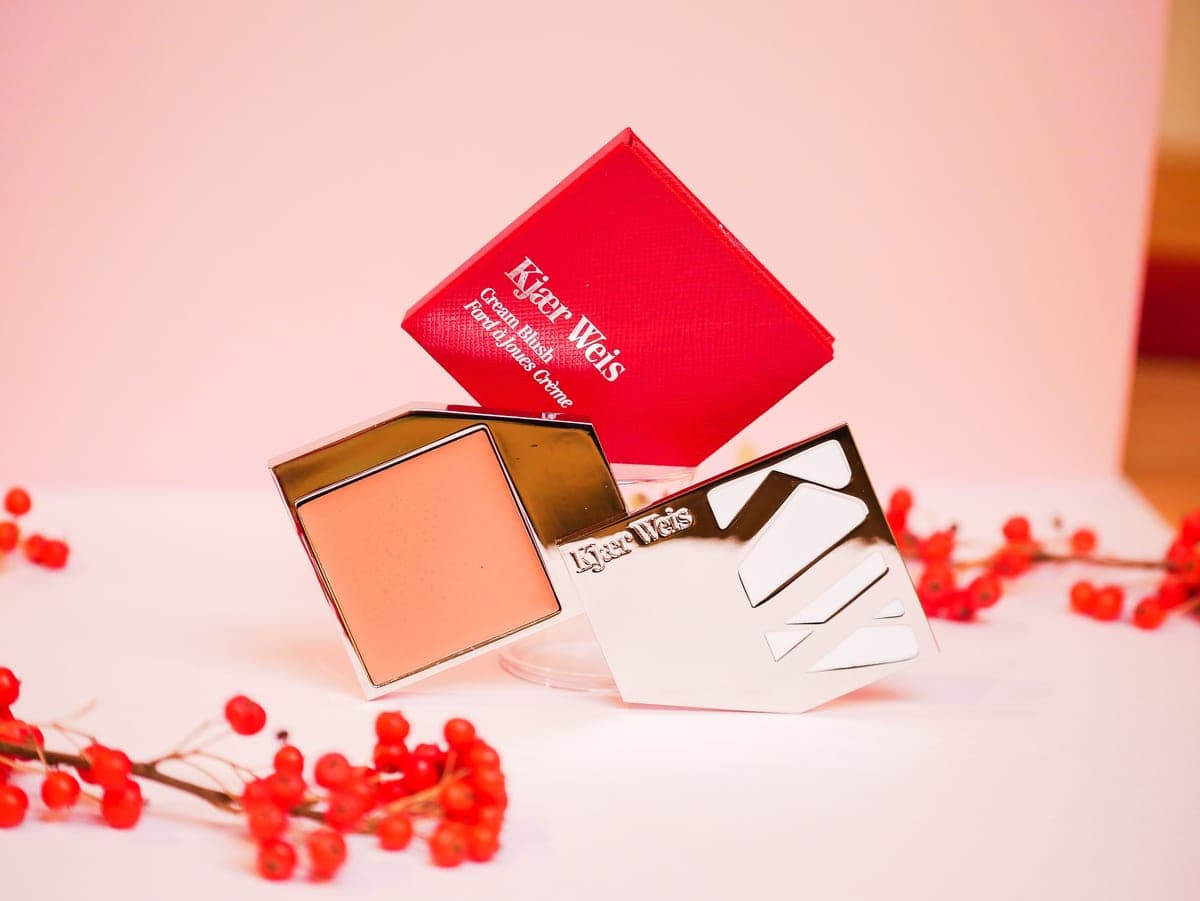
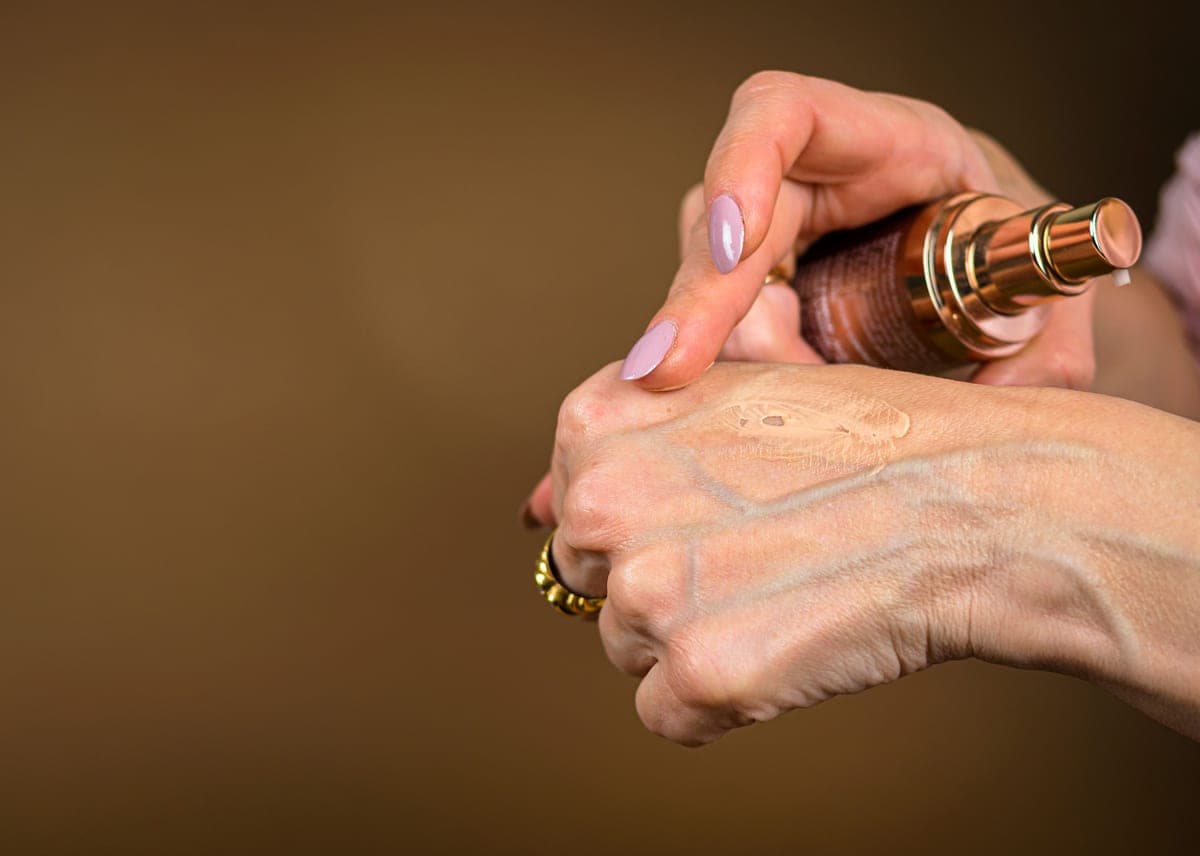
A sensible routine uses both: a plain balm overnight and a lip oil by day. For the rest of a light, natural look, see best tinted moisturizers and best cream blush.
No product photoNo product photograph available for Dior Addict Lip Glow Oil
1 — A luxury tinted lip oil
Dior Addict Lip Glow Oil
What’s in it
Tinted lip oil with a glossy finish
Formulated with cherry oil, per the brand
Doe-foot applicator
It is one of the lip oils that popularized the category, with a comfortable glossy finish and a sheer tint.
Who it’s not for
Anyone on a budget or with sensitive lips, since it is flavored and expensive. Dior does not distribute through Amazon itself, so check the seller carefully.
Lip oils feel soothing on dry lips, which makes it natural to reach for one when lips are chapped. But oils are thin, absorb quickly and wear off within an hour or two, so they do not form the protective seal cracked lips need to heal — and a flavored or scented oil can make irritation worse. People often end up applying a lip oil over and over without improvement. For chapped lips, use a bland, fragrance-free ointment, especially overnight. Save the lip oil for when your lips are back in good shape.
Frequently Asked Questions
They soften, but for truly dry or chapped lips an occlusive balm or ointment works better. Lip oils suit lips that are already healthy.
Lip oil is usually lighter and less sticky, with a more cushioned, comfortable feel. Gloss tends to be thicker and tackier.
Yes, for shine, though the oil can soften and move the lipstick. Blot lightly if it starts to travel.
Usually an hour or two before it absorbs or wears off, so expect to reapply.
It can if it contains flavoring or fragrance. Sensitive lips do better with unscented options.
By Sawyer V.. An enthusiast who’s genuinely into this: I read the manufacturer documentation, compile the published percentages, and do the arithmetic. No lab coat.
What I don’t do: test products, accept free product, or accept payment for placement. I hold no clinical credential and don’t claim one. How we pick.
Published September 10, 2026 · Last updated September 10, 2026