The Comparison, in One Table
| Cream blush | Powder blush | |
|---|---|---|
| Finish | Dewy, skin-like | Soft matte to shimmer |
| Best skin type | Dry, mature, textured | Oily, combination |
| Wear time | Can move on oily skin | Longer, especially in heat |
| Ease of application | Needs blending; less forgiving | Easy to build and diffuse |
| Goes with | Liquid or cream base, bare skin | Powder or set foundation |
How to Choose
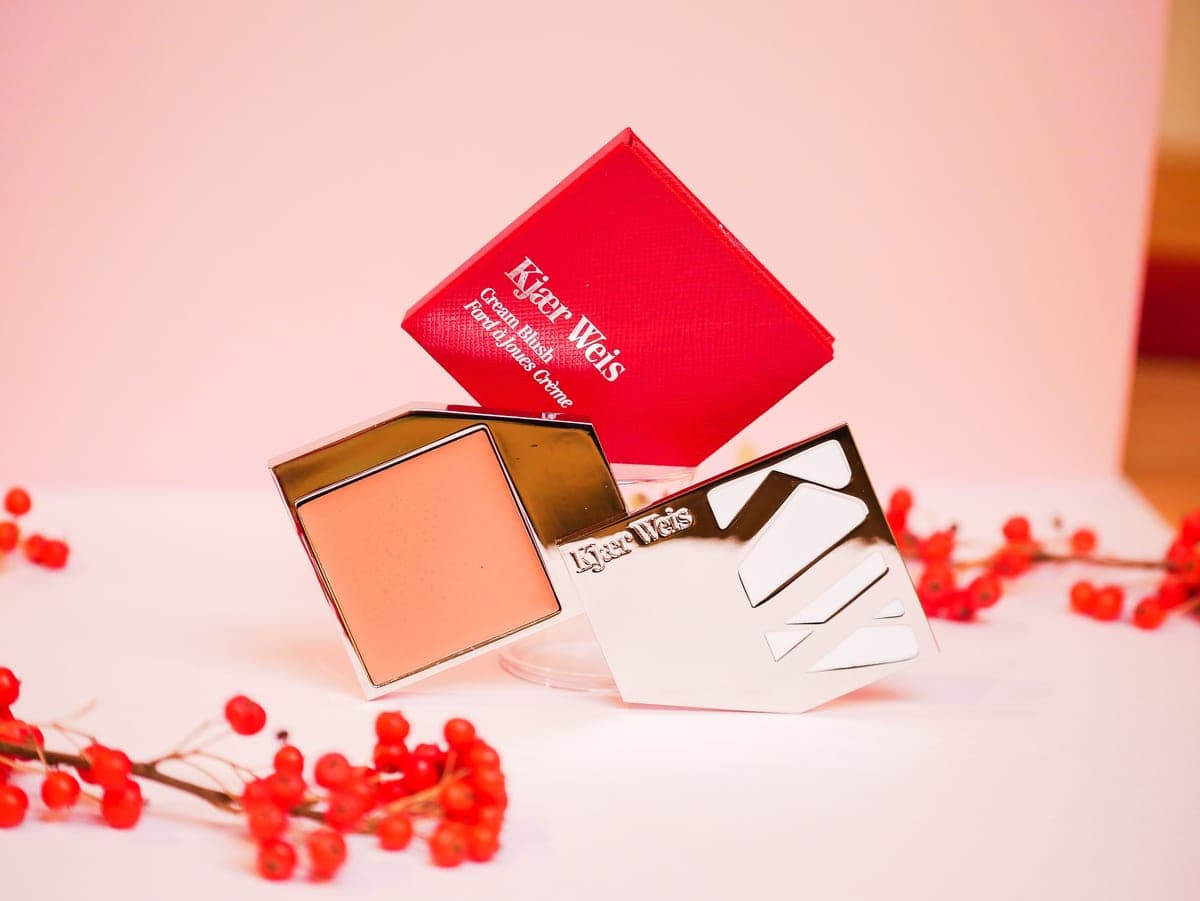
Cream blush blends into the skin, so it does not cling to dry patches or settle into texture the way powder can. That makes it the stronger choice for dry and mature skin. The trade is that it can slide on very oily skin and needs a little blending technique. The roundup is at best cream blush.
Powder blush sits on top of the skin and sets, which gives it better staying power on oily skin and in heat. It is also the easier format for beginners, because it builds gradually and diffuses without much effort.
Common Mistakes With Each, and the Fix
- Too much cream blush at once. Cream pigment is dense and hard to take away. Start with a dot on each cheek, blend, and add more only if needed.
- Cream over set powder. It drags and leaves patches. Apply cream before any powder, or switch to a powder blush on days you set your base.
- Powder on a still-wet liquid base. Powder grabs on damp foundation and goes on blotchy. Let the base settle for a minute first, or set it lightly.
- A heavily loaded powder brush. Tap off the excess before it touches your face; building up is easier than toning down.
- Harsh edges with either formula. Blend the outer edge upward toward the temple so the color fades into skin rather than stopping in a line.
If your skin is combination — oily through the center, drier on the cheeks — cream blush often works well, because cheeks tend to be the drier zone. Setting it with a light dusting of translucent powder adds wear time without losing the finish.