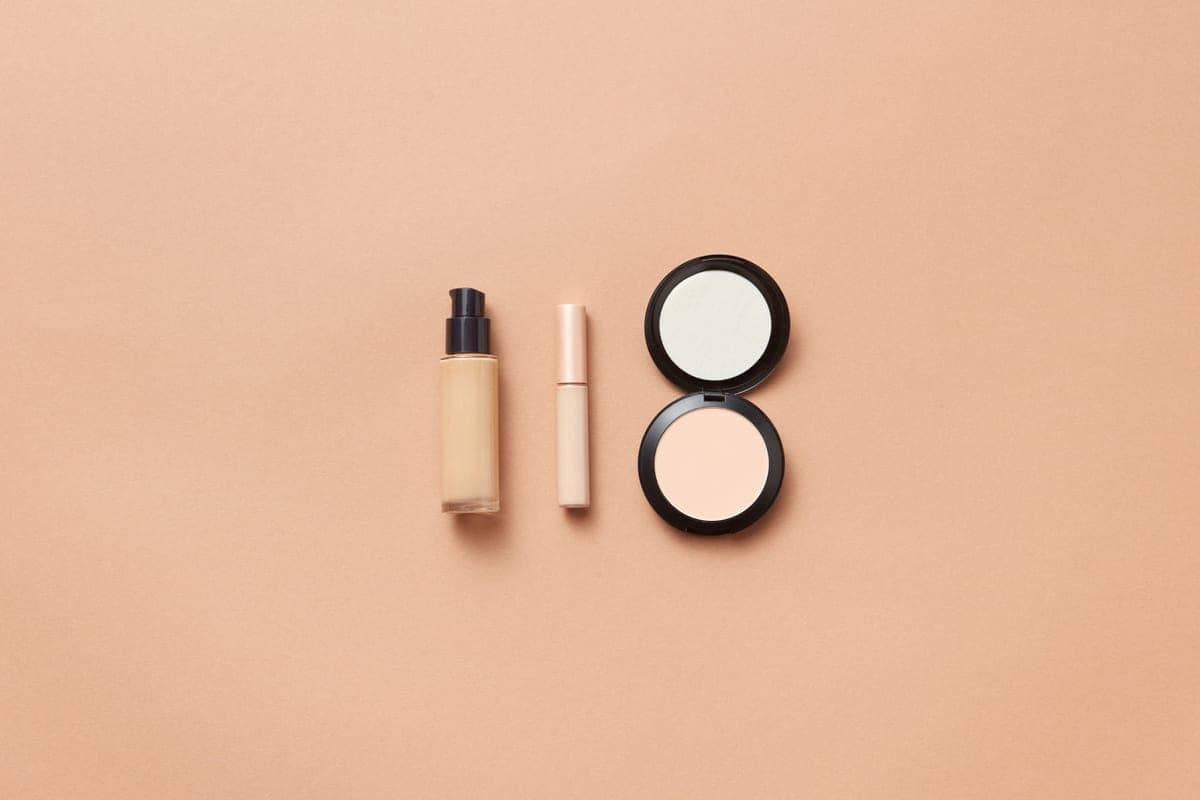
Cream blush suits texture in a way powder does not. The trade is that application technique matters considerably more.
By Sawyer V. · Published September 8, 2026 · Last updated September 8, 2026
The short answer
Cream blush melts into skin rather than sitting on top of it, which is why it suits dry, mature and textured skin better than powder. It is less forgiving to apply and can move on very oily skin without setting.
Disclosure: Glow & Gild earns a commission when you buy through links on this page, at no extra cost to you. It does not change which product we recommend, and no brand pays for placement here. Read the full disclosure.
How We Picked
We sorted by skin type first, since a formula that works on dry skin frequently slides on oily skin. Within that, we ranked on finish, pigment density relative to blendability, and format — because a stick, a pot and a liquid behave differently even at identical pigment levels.
Everyone in this category says they tested twenty of these. We have not tested any, and we say so. What we did instead: compiled the published concentrations and ingredient lists, checked each claim against what the formula can actually support, and wrote down who each product is wrong for. The full method is published so you can check it.
Why Cream Instead of Powder
Powder blush sits on top of the skin. Cream blush melts into it. That single difference produces most of the practical distinctions between them.
Cream blush
Powder blush
On textured or mature skin
Blends in; does not emphasize texture
Can cling to fine lines and dry patches
On dry skin
Adds a hydrated finish
Can look dusty and emphasize dryness
On oily skin
Can slide or break down without setting
Holds well and absorbs some oil
Blendability
Requires more technique; a small error is more visible
Forgiving; easy to build gradually
Finish
Natural, skin-like, dewy to satin
Matte to satin
Layering
Goes under powder products; disturbs powder if applied over
Goes last, over everything
The Formats Behave Differently
Pot or compact. The most pigmented and usually the most blendable. Applied with a fingertip or a dense brush. Best control.
Stick. Convenient and fast, applied directly to the cheek. Prone to dragging on dry skin and to depositing too much in one place.
Liquid or drops. Highly pigmented, so a single drop is often enough. Dries down faster than a pot, which means less time to blend and better wear on oily skin.
Balm. Sheerest and most hydrating. Frequently doubles as a lip product. Least longevity.
Format is the variable most people ignore and it changes the experience more than the shade does. If cream blush has gone badly for you before, trying a different format is more likely to help than trying a different brand.
Application, Which Is Most of It
Apply after foundation, before powder. Non-negotiable, and the fix for most complaints.
Start with less than you want. Cream blush is far easier to build than to remove.
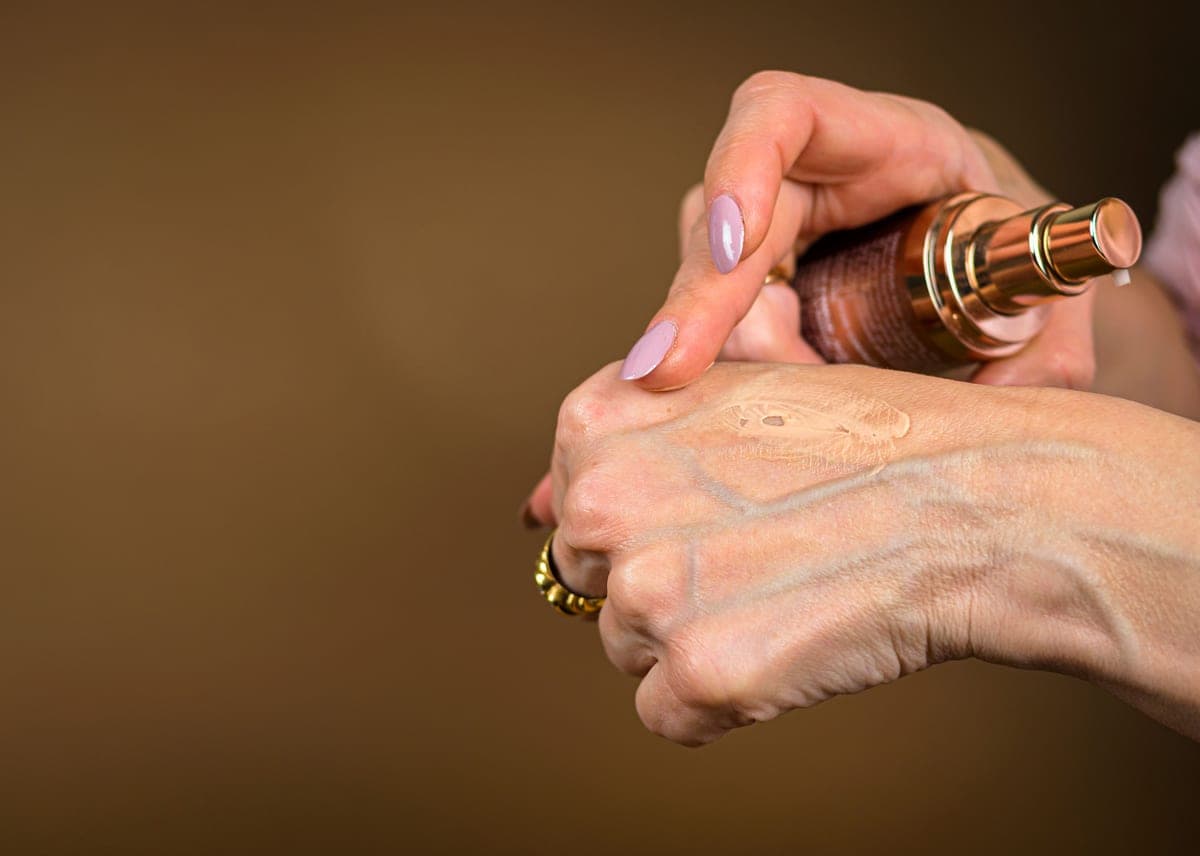
Use fingers or a dense synthetic brush. Fingertip warmth helps a cream formula melt in; a fluffy powder brush moves it around without blending it.
Place it on the apples and blend upward towards the temple. Blending downward drags color towards the jaw.
Tap rather than swipe at the edges. Swiping removes what you just applied.
Set only if you need to. A light dusting of translucent powder over the top extends wear on oily skin; on dry skin it undoes the reason you chose cream.
If cream blush disappears within two hours on you, the usual causes are oily skin without setting powder, or applying it over a powdered base so it never adhered to skin in the first place.
No product photoNo product photograph available for Rare Beauty Soft Pinch Liquid Blush
1 — Longevity, including on oily skin
Rare Beauty Soft Pinch Liquid Blush
What’s in it
Liquid formula that dries down, which is what gives it wear time
Very high pigment density — a single small dot covers both cheeks
Available in matte and dewy finishes across a broad shade range
The dry-down is the point: it is the cream-format blush most likely to still be there at 6pm, which is the most common failure of the category.
Who it’s not for
Anyone new to cream blush. The pigment density and fast dry-down leave very little blending time, and the first attempt is frequently a visible stripe.
Not sold on Amazon — we earn nothing on this link.
Premium Beauty listing
2 — A soft matte finish that still blends
NARS Air Matte Blush
What’s in it
Whipped mousse-to-powder texture that sets to a soft matte
Blends considerably more easily than most dry-down formulas
Cushion applicator; buildable pigment
It solves the usual cream blush trade-off — most formulas are either blendable or long-wearing — by setting slowly enough to work with and firmly enough to stay.
Who it’s not for
Dry or flaky skin. A matte finish, however soft, emphasizes texture, and a dewy pot formula is the better choice there.
Natural, skin-like finish rather than dewy or matte
The long blending window is what makes it the sensible starting point. Sheer and forgiving is exactly right when the main obstacle to cream blush is technique.
Who it’s not for
Anyone wanting strong color payoff or all-day wear. It is sheer by design and will need reapplying, which is the price of how easy it is to get right.
Cream blush technique takes a few attempts to learn, and learning it on an inexpensive product is considerably less painful than learning it on a prestige one.
Who it’s not for
Anyone who wants a long blending window. This is a fast dry-down formula, which is why it wears well and why it punishes hesitation.
This is a technique rather than a product, and it is the single most common reason people conclude cream blush is not for them. Cream products need skin, or at least a cream base, to grip. Applied over set powder they drag, patch, lift the powder underneath, and refuse to blend — and the natural diagnosis is that the blush is bad. It is not. Apply cream blush directly after foundation or concealer while there is still some slip, blend it fully, then powder afterwards if you powder at all. If you have written off the whole category after one bad experience, this is very likely what happened.
Frequently Asked Questions
For dry, mature or textured skin, yes — it melts in rather than sitting on top. For very oily skin, powder holds better unless the cream is set.
Before. Cream products go on before powder products; applied over a set face they drag and refuse to blend.
Use less than you think, apply with fingers or a dense synthetic brush, blend upward towards the temple, and tap rather than swipe at the edges.
Yes, if you choose a dry-down liquid formula and set it lightly with translucent powder. Undried cream formulas can slide.
Usually oily skin without setting powder, or application over a powdered base so it never adhered to skin in the first place.
By Sawyer V.. An enthusiast who’s genuinely into this: I read the manufacturer documentation, compile the published percentages, and do the arithmetic. No lab coat.
What I don’t do: test products, accept free product, or accept payment for placement. I hold no clinical credential and don’t claim one. How we pick.
Published September 8, 2026 · Last updated September 8, 2026