The Materials Decide It, Not the Bottle
This is the single most useful thing to understand, and it explains most disappointed purchases in this category.
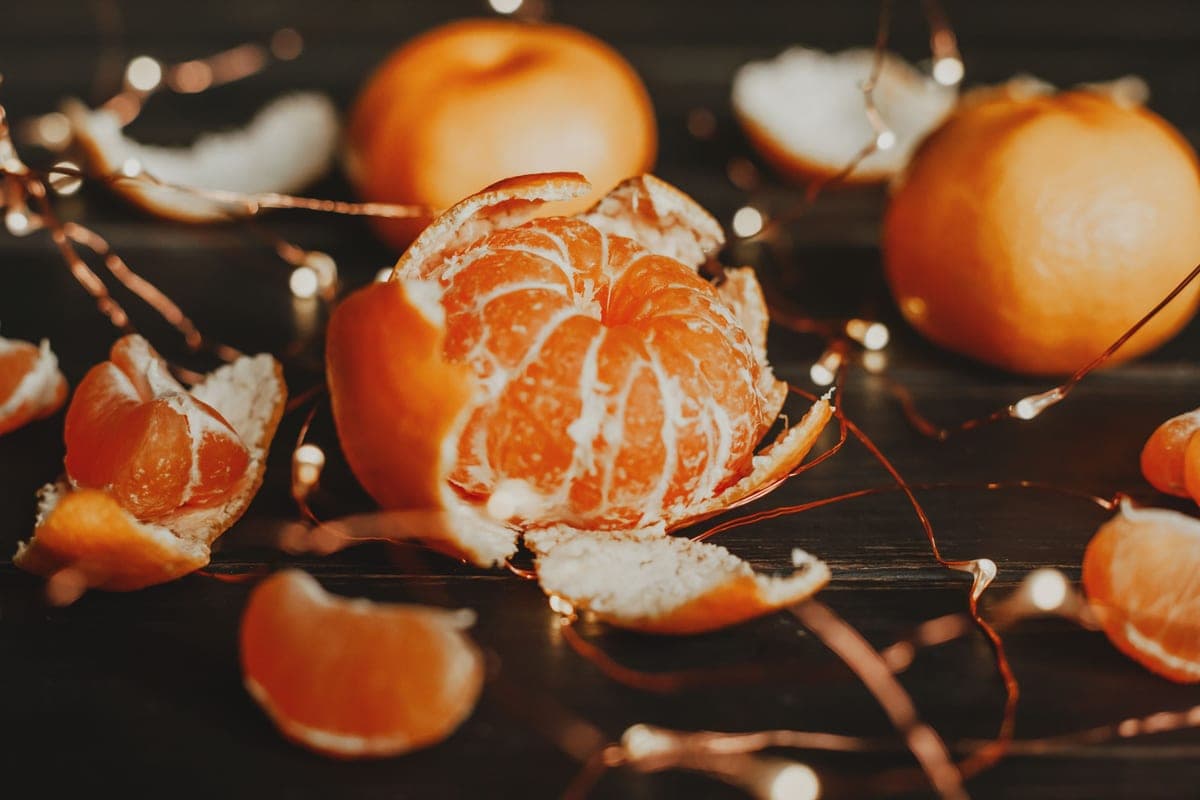
Fragrance molecules evaporate at rates determined by their molecular weight and structure. Citrus materials — limonene, citral and relatives — are small and highly volatile, so they leave within thirty to ninety minutes. Woods, resins and musks are large and heavy, so they persist for eight, twelve, sometimes twenty-four hours.
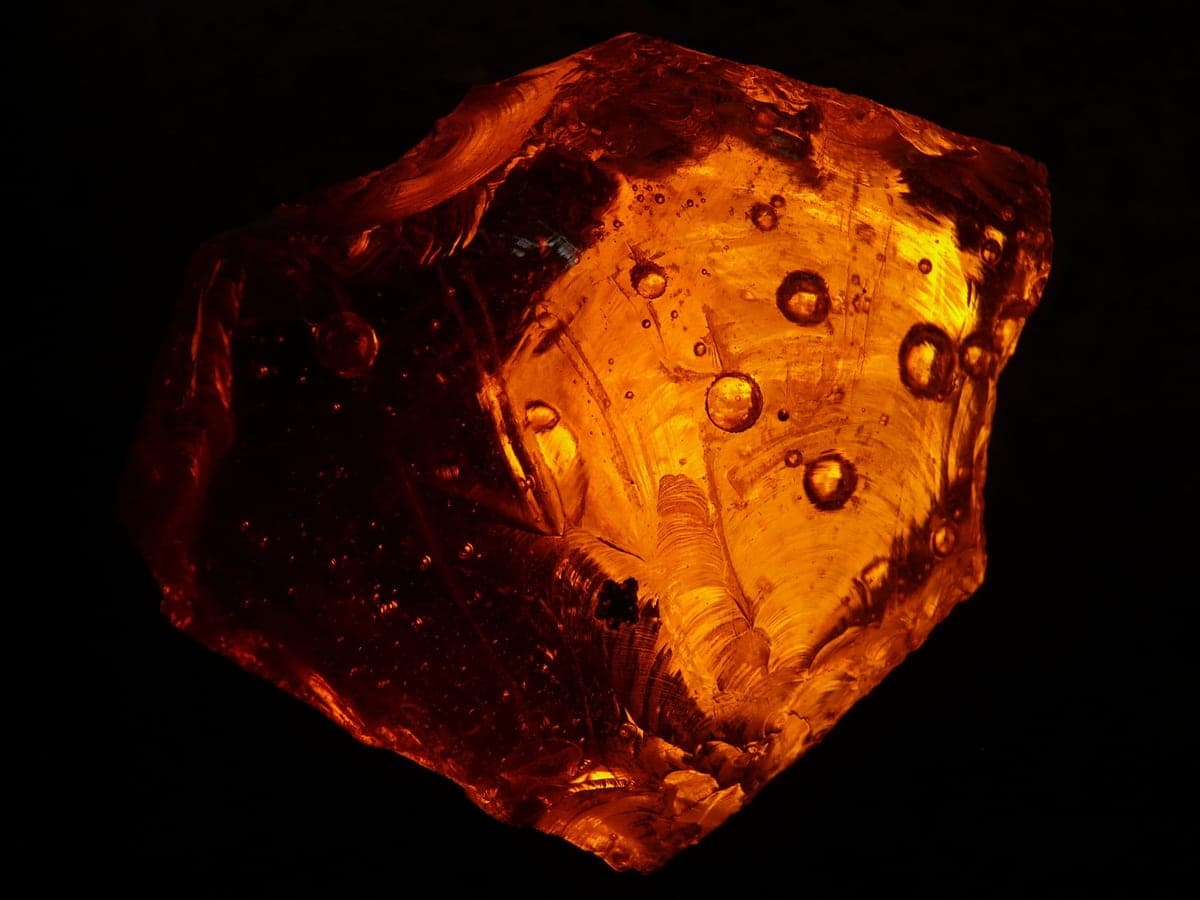
That means a [citrus](/fragrance/families/citrus) fragrance will fade fast at any concentration, and an [amber](/fragrance/families/amber) will last a long time even in a light one. Buying a stronger concentration of a light fragrance does not solve the problem; it makes the opening louder and the fade almost as quick.
| Family | Typical longevity | Why |
|---|---|---|
| Citrus | 1 to 3 hours | Highly volatile peel oils. The base is what persists, if anything does. |
| Aquatic | 2 to 5 hours | Light synthetics; longevity comes from the musk base underneath. |
| Fougere | 4 to 7 hours | Coumarin and moss give it a durable middle. |
| Chypre | 6 to 9 hours | Oakmoss and patchouli are persistent base materials. |
| Woody | 6 to 10 hours | Woods are base materials by definition. |
| Amber | 8 to 12+ hours | Resins and balsams are the heaviest materials in common use. |
What Concentration Actually Changes
Concentration — eau de cologne, eau de toilette, eau de parfum, parfum — describes the proportion of fragrance oil in alcohol. Higher concentration does generally mean longer wear, but less than people expect and not in the way they expect.
Two things complicate it. First, the formula is frequently rebalanced between concentrations rather than simply diluted — an EDP and an EDT of the same name are often genuinely different compositions, with the EDP weighted more towards base materials. Second, higher concentration amplifies everything including the parts you did not want more of.
The practical version: buying the EDP of a woody or amber fragrance usually delivers meaningfully longer wear. Buying the EDP of a citrus usually delivers a louder opening and a similar fade. The full comparison is in EDP vs. EDT.
Why It Lasts Longer on Other People
Skin genuinely varies, and the variation is not mysterious.
- Hydration is the biggest factor you control. Dry skin holds volatile materials poorly — there is less for them to bind to and they evaporate faster. Moisturized skin can add hours.
- Sebum helps. Oily skin holds fragrance better than dry skin, which is one of the few advantages it confers.
- Skin temperature accelerates evaporation. Warmer skin projects more and fades faster; this is also why fragrance behaves differently in summer.
- Skin pH shifts the character, not just the duration. This is the main reason the same bottle smells subtly different on two people.
- Anosmia to specific materials is common and personal. Many people cannot smell certain musks at all, which makes a musk-heavy fragrance seem to vanish on them while everyone else still smells it.
What Actually Helps
- Apply to moisturized skin. An unscented lotion or a plain emollient under the fragrance is the single most effective change available, and it costs nothing.
- Apply to pulse points, where skin is warmer: wrists, neck, behind the ears, inner elbows.
- Spray clothing as well as skin. Fabric holds fragrance far longer than skin does. Test on an inconspicuous area first — some fragrances stain, particularly darker ones.
- Do not rub your wrists together. The friction and heat accelerate the evaporation of the top notes, which is the opposite of what you want.
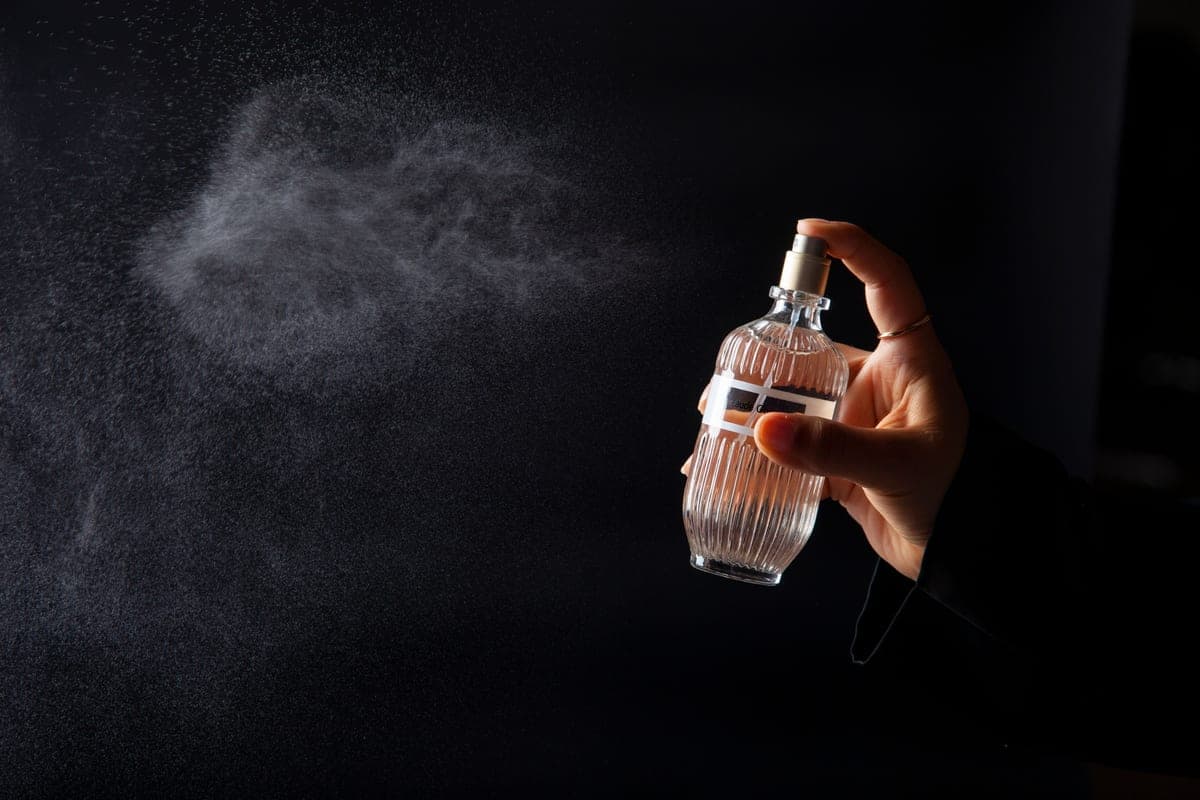
- Spray, do not dab. Atomizing produces a finer, more even distribution.
- Store the bottle properly. Heat, light and air degrade fragrance. A bathroom windowsill is the worst place in the house; a drawer is the best.
- Reapply, and stop treating that as a failure. A light fragrance is designed to be reapplied. A travel atomizer makes it practical.
What does not help: applying more than three or four sprays. Beyond that you increase projection sharply without extending wear meaningfully, and you cross the line into imposing on people around you — a line you cannot perceive yourself because of olfactory fatigue. More in how to apply perfume.
If Longevity Is What You Are Buying For
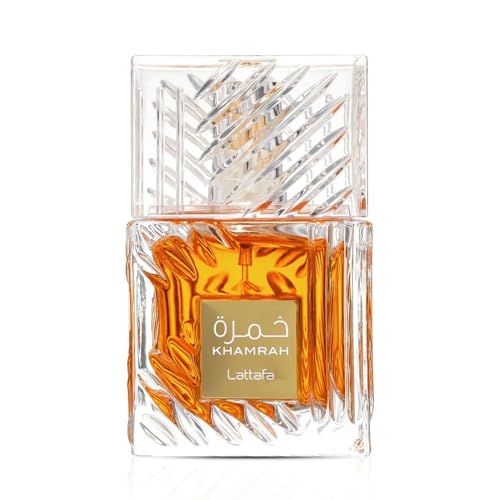
Two compositions where the materials do the work rather than the concentration, chosen because their persistence is a property of what is in them.