Skip to content
Glow & Gild

Fragrance family

Citrus Fragrances

The freshest and the most fleeting family. The fade is chemistry rather than a quality problem, and knowing that changes how you buy.

By Sawyer V. · Published September 8, 2026 · Last updated September 8, 2026

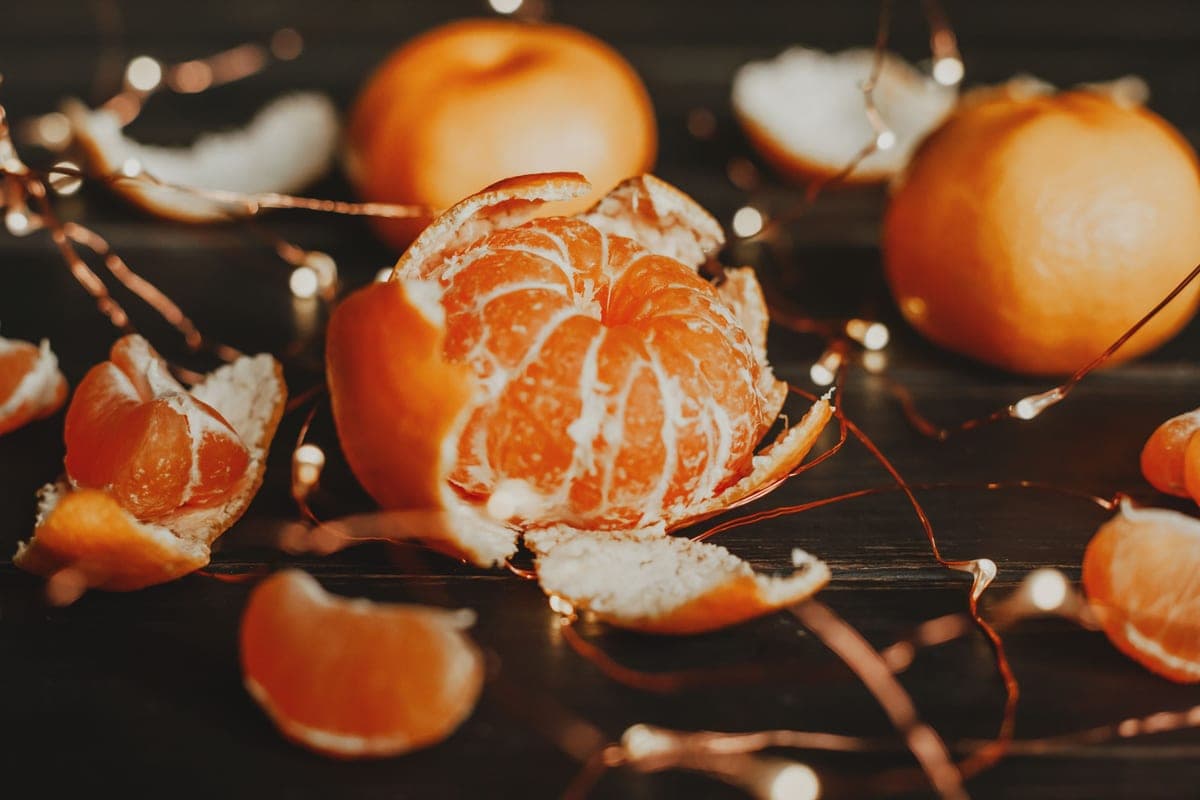
Bergamot peel and citrus fruit on a dark background

The short answer

Citrus fragrances are built on bergamot, lemon, grapefruit, orange and neroli. They read clean, bright and effervescent, and they fade faster than any other family because citrus molecules are highly volatile. That is chemistry, not a formulation flaw.

Disclosure: Glow & Gild earns a commission when you buy through links on this page, at no extra cost to you. It does not change which product we recommend, and no brand pays for placement here. Read the full disclosure.

What Unites the Family

Citrus — sometimes called the hesperidic family, from the Hesperides of Greek myth who guarded a garden of golden apples — is defined by the peel oils of citrus fruit. Bergamot above all, then lemon, grapefruit, mandarin, bitter orange and neroli.

The unifying character is brightness with a bitter edge. Citrus peel oils are not sweet; the sweetness in a citrus fragrance almost always comes from something else in the composition. What the peel contributes is a sharp, zesty, faintly bitter lift that reads as clean.

The family also has the longest continuous history in Western perfumery. Eau de Cologne, formulated in the early eighteenth century, is a citrus fragrance, and its structure — citrus over neroli over a light herbal base — is still the template for a whole genre three hundred years later.

Why Citrus Fades, and What To Do About It

Citrus molecules — limonene, citral and their relatives — are small and highly volatile. They evaporate quickly, which is exactly why they are perceived first and why they are gone within thirty to ninety minutes.

That is not a defect and it is not fixed by buying a higher concentration. An eau de parfum citrus lasts longer than an eau de toilette citrus, but the citrus part still fades on roughly the same schedule — what persists longer is whatever sits underneath it. This is why so many citrus fragrances are described as smelling like something else entirely after an hour.

  • Buy for the drydown as well as the opening. The base is what you will wear for most of the day.
  • Apply more, and reapply. Three or four sprays for a citrus is reasonable where two would be plenty for an amber.
  • Apply to moisturized skin. Dry skin holds volatile materials particularly badly — see how to apply perfume.
  • Look for citrus over a woody or musky base. Those compositions keep a recognizable character far longer than a pure cologne structure.
  • Consider the cost per wear honestly. A citrus you reapply twice a day empties a bottle much faster than a base-heavy fragrance you spray twice.

The Two Styles Within the Family

StyleStructureReads as
Classical cologneCitrus over neroli and petitgrain, over a light herbal or floral baseClean, transparent, faintly soapy. Fades quickly and deliberately.
Modern citrusCitrus over a synthetic musk or woody-amber baseBright at the top, then a persistent clean-skin or woody character for hours.

The two are frequently confused because they smell alike for the first twenty minutes. If a citrus fragrance disappointed you by vanishing, you probably bought the classical structure; if one surprised you by lasting all day, the base was doing the work.

Citrus also functions as a top note in fragrances from every other family. A chypre opens with bergamot by definition, and a great many fougeres and woody compositions do too. Liking citrus openings does not mean you want a citrus fragrance.

When It Works

Citrus is the hot-weather family, and it is close to unimprovable in that role. It is also the safest choice in close quarters — an office, a plane, a gym — because it projects modestly and almost nobody finds it objectionable.

The cost of that safety is distinctiveness. A well-made citrus is pleasant and forgettable, which is a compliment for a work fragrance and a criticism for a signature scent. If you want to be remembered, this is the wrong family.

One practical caution: bergamot and several other citrus oils are photosensitizing in their unrectified natural form. Commercial fragrance uses furocoumarin-reduced bergamot for exactly this reason, so the risk in a modern finished fragrance is negligible — but applying a raw citrus essential oil to skin before sun exposure genuinely is not a good idea.

Where to Start

One classical structure and one modern one, so you can hear the difference the base makes.

No product photoNo product photograph available for Dior Eau Sauvage Eau de Toilette

Premium Beauty listing

1The classical citrus structure

Dior Eau Sauvage Eau de Toilette

What’s in it

  • Bergamot and lemon over a herbaceous heart in the published note listing
  • Eau de toilette concentration, in continuous production since 1966
  • One of the compositions that defined the modern citrus-aromatic style

It is the reference for what a classical citrus does: bright, bitter, transparent, and honest about fading. Smelling it teaches you the structure that a great many later fragrances are variations on.

Who it’s not for

Anyone who wants longevity. This is a classical structure and it behaves like one — expect a few hours at most, and buy it knowing that is the design rather than a fault.

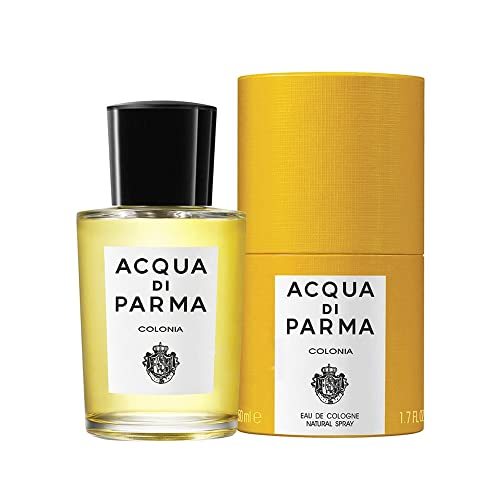
No product photoNo product photograph available for Acqua di Parma Colonia Eau de Cologne

Premium Beauty listing

2The eau de cologne template in its purest form

Acqua di Parma Colonia Eau de Cologne

What’s in it

  • Sicilian citrus over lavender, verbena and rosemary in the published note listing
  • Eau de cologne concentration — the lightest of the standard formats
  • In production since 1916 with the classical structure intact

If you want to understand the family's origin rather than its modern descendants, this is the clearest widely available example of the eau de cologne structure that started it.

Who it’s not for

Anyone expecting value per hour. Eau de cologne is the lightest concentration of the lightest family, so you will reapply, and at this price that adds up quickly.

Frequently Asked Questions

Citrus molecules are small and highly volatile, so they evaporate within thirty to ninety minutes. It is chemistry rather than a formulation flaw, and a higher concentration does not change it much.

Sources

Who wrote this

By Sawyer V.. An enthusiast who’s genuinely into this: I read the manufacturer documentation, compile the published percentages, and do the arithmetic. No lab coat.

What I don’t do: test products, accept free product, or accept payment for placement. I hold no clinical credential and don’t claim one. How we pick.

Published September 8, 2026 · Last updated September 8, 2026

Dark seawater with a breaking wave, minimal and low-lit

Fragrance family

Aquatic Fragrances

Built on a molecule invented in 1966. Why there is no aquatic raw material and how the style escaped the 1990s.

Read it
Dried lavender sprigs arranged on a dark surface

Fragrance family

Fougere Fragrances

Pronounced foo-ZHAIR, named after a plant with no smell. The barbershop accord that has anchored masculine perfumery since 1882.

Read it
A perfume bottle on dark marble, lit from one side

Fragrance literacy

Fragrance Longevity

The materials decide longevity far more than the concentration does. Which families last, and the application changes that measurably help.

Read it
A fine spray of fragrance caught in light against a dark background

Fragrance literacy

How to Apply Perfume

Four changes solve most fragrance complaints, and none of them costs anything. Where, how much, and what to stop doing.

Read it

Nothing here is medical advice. Editorial policy · How we pick · Affiliate disclosure