Skip to content
Glow & Gild

Fragrance family

Amber Fragrances

The warm, resinous, spice-and-balsam family. Previously called oriental, renamed for good reason, and the same category throughout.

By Sawyer V. · Published September 8, 2026 · Last updated September 8, 2026

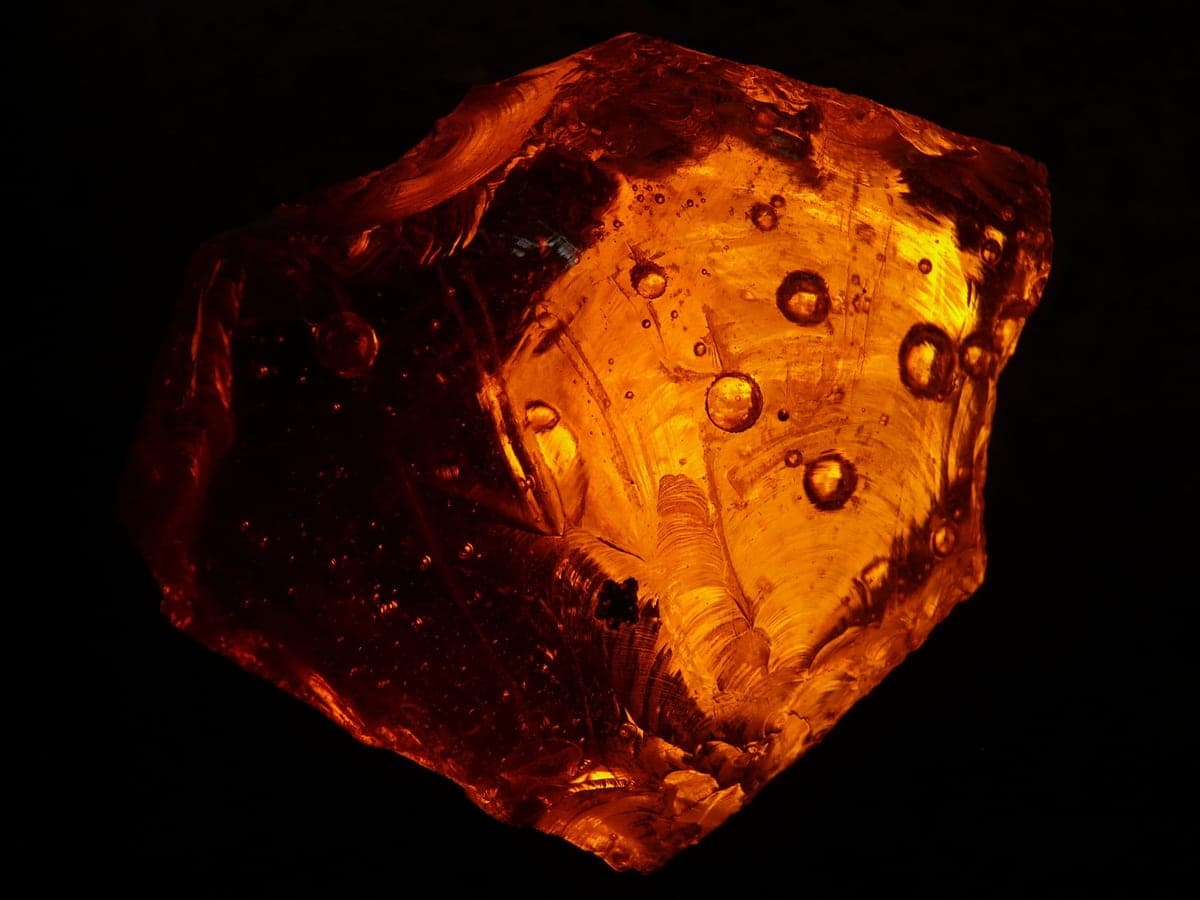
Amber resin pieces on a dark textured surface

The short answer

Amber fragrances are warm, sweet and resinous, built on labdanum, benzoin, vanilla and spice. The family was called oriental until the industry retired that term. Amber is not a single raw material — it is an accord perfumers build.

Disclosure: Glow & Gild earns a commission when you buy through links on this page, at no extra cost to you. It does not change which product we recommend, and no brand pays for placement here. Read the full disclosure.

Why It Is Not Called Oriental Any More

The category was known as oriental for most of the twentieth century. The industry has moved away from the term because it is an exonym describing a large and varied part of the world in the language of the people looking at it rather than living in it — a naming convention that has been retired across most fields for the same reason.

The category itself is unchanged. A fragrance that was an oriental in 2005 is an amber in 2026, with the same materials and the same character. If you encounter the older term in an archive listing or an established brand's copy, it means this page.

We use amber throughout, and the URL for the old name redirects here so both routes land in the same place.

Amber Is an Accord, Not a Material

This is the single most useful thing on the page. There is no amber plant. The fossilized tree resin sold as amber jewelry has essentially no scent, and it is not what the note refers to.

Amber in perfumery is an accord — a constructed combination that reads as one new smell. The classic form is labdanum (a sticky, leathery, honeyed resin from rockrose) plus benzoin (a sweet balsamic resin) plus vanillin, often with a spice element on top. The result is warm, powdery, faintly animalic and unmistakable.

Confusingly, ambergris is a different thing again: a genuine animal material from sperm whales, now almost entirely replaced by synthetics such as Ambroxan. It smells salty, mineral and marine rather than sweet, and a fragrance described as ambery and one described as ambergris-forward will not smell alike.

The Notes That Build It

  • Labdanum — the backbone. Leathery, honeyed, resinous, with a faintly animalic depth.
  • Benzoin — sweet, balsamic, almost caramel-adjacent. The soft edge of the accord.
  • Vanilla and vanillin — the sweetness, and the reason amber and gourmand fragrances are often confused.
  • [Incense](/fragrance/notes/incense) and myrrh — resins that push the family towards cold and ecclesiastical rather than cozy.
  • Spices — cinnamon, clove, cardamom, pepper. The usual top-end treatment.
  • [Tobacco](/fragrance/notes/tobacco) — a natural fit, and the basis of the tobacco-amber sub-genre.

Amber pairs most often with woods, producing the woody-amber compound that covers a very large share of the modern market. It also pairs with leather and with florals, in both cases pushing the composition warmer and heavier.

When It Works

Amber is the heaviest, longest-lasting and most projecting of the six families here. That makes it superb in cold weather and genuinely difficult in heat — warmth amplifies resinous materials, and an amber that is comfortable in November can be overwhelming in July.

It is also the family most likely to be noticed by other people. In a shared office or on public transport that is a real consideration rather than a squeamish one, and the answer is quantity: one spray of an amber is a genuine dose, where one spray of a citrus is barely a gesture.

The persistence cuts the other way too. Ambers are the best value per bottle of any family, because a base-heavy composition sprayed twice can still be present at the end of the day. See fragrance longevity for why the materials rather than the concentration drive that.

Where to Start

One classical amber and one modern woody-amber, which between them cover most of what the family does now.

No product photoNo product photograph available for Serge Lutens Ambre Sultan Eau de Parfum

Premium Beauty listing

1The classical amber accord, undiluted

Serge Lutens Ambre Sultan Eau de Parfum

What’s in it

  • Built on labdanum and benzoin with bay leaf, oregano and coriander in the published note listing
  • Eau de parfum concentration with very high persistence
  • One of the reference points for the amber accord in modern perfumery

It is the amber accord presented almost without disguise — resinous, herbal at the top, and warm the whole way down. If you want to learn what the family smells like rather than what a designer interpretation of it smells like, start here.

Who it’s not for

Anyone buying their first amber for daily office wear. This projects hard, lasts a very long time and reads as a statement — which is the point, and is the wrong thing at a desk.

No product photoNo product photograph available for Lattafa Amber Xtreme Eau de Parfum

2Testing the family without spending much

Lattafa Amber Xtreme Eau de Parfum

What’s in it

  • Amber and woody accord in an eau de parfum concentration
  • Sold at a small fraction of niche pricing, in a full-size bottle
  • Strong projection and persistence typical of the category

The amber family is the one most worth testing cheaply, because whether you can live with the weight of it is a personal question no description answers. A low-cost full bottle is a more honest test than a two-milliliter sample.

Who it’s not for

Anyone who wants nuance or a distinctive signature. This is a competent, forceful interpretation of a familiar accord, and it is not going to be mistaken for something rare.

Frequently Asked Questions

Warm, sweet, resinous and slightly powdery, usually with spice at the top. The accord is built from labdanum, benzoin and vanilla rather than from any single amber material.

Sources

Who wrote this

By Sawyer V.. An enthusiast who’s genuinely into this: I read the manufacturer documentation, compile the published percentages, and do the arithmetic. No lab coat.

What I don’t do: test products, accept free product, or accept payment for placement. I hold no clinical credential and don’t claim one. How we pick.

Published September 8, 2026 · Last updated September 8, 2026

Incense smoke rising against a dark background

Fragrance note

Incense

Cold, resinous and faintly citrusy. One of the few materials that makes a fragrance feel cool without going fresh.

Read it
Dried tobacco leaves photographed on a dark background

Fragrance note

Tobacco

Sweet hay, honey and dried fruit. Nothing like cigarette smoke, which is the most common misunderstanding about it.

Read it
Cut sandalwood logs showing grain, photographed in low light

Fragrance family

Woody Fragrances

The broadest family, split into dry-smoky and creamy-soft. Knowing which camp you are in narrows the field enormously.

Read it
A perfume bottle on dark marble, lit from one side

Fragrance literacy

Fragrance Longevity

The materials decide longevity far more than the concentration does. Which families last, and the application changes that measurably help.

Read it

Nothing here is medical advice. Editorial policy · How we pick · Affiliate disclosure