Skip to content
Glow & Gild

Fragrance note

Tobacco

Sweet, hay-like and honeyed, closer to an unlit pipe pouch than to anything burning. The comparison to cigarettes is the most common misunderstanding in perfumery.

By Sawyer V. · Published September 8, 2026 · Last updated September 8, 2026

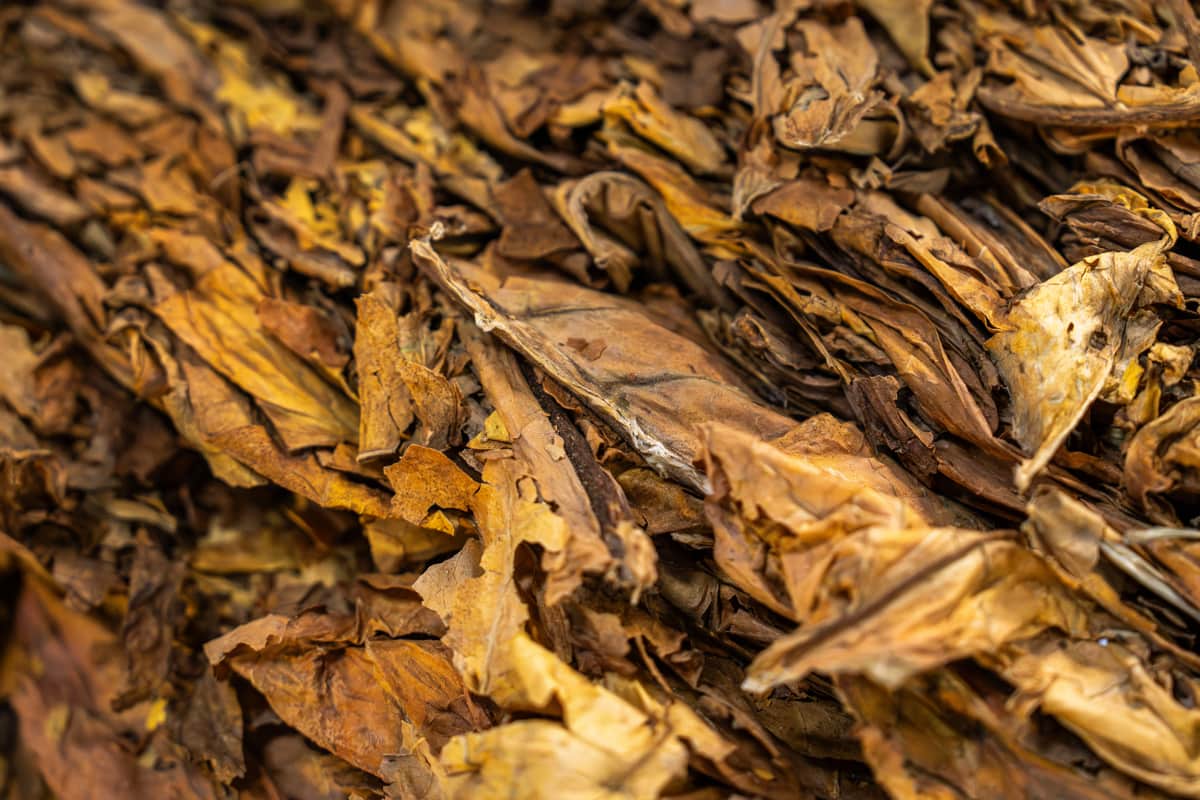
Dried tobacco leaves photographed on a dark background

The short answer

The tobacco note smells sweet, hay-like and honeyed, with a dried-fruit warmth and a faint leathery edge. It smells like an unlit pipe pouch rather than like smoke. Cured tobacco leaf and burning tobacco are almost unrelated smells.

Disclosure: Glow & Gild earns a commission when you buy through links on this page, at no extra cost to you. It does not change which product we recommend, and no brand pays for placement here. Read the full disclosure.

It Is Not Cigarette Smoke

This is the misunderstanding worth clearing first, because it stops a lot of people from trying a note they would probably like.

Cured tobacco leaf and burning tobacco smell almost nothing alike. Curing is a slow drying and fermentation process that develops sugars and aromatic compounds; combustion destroys most of them and produces an entirely different set. The smell of a tobacconist's shop or an unopened pipe pouch is sweet, rich and pleasant. The smell of an ashtray is not.

Fragrance uses the first. A tobacco note is warm, sweet, hay-like and honeyed, with dried-fruit and faintly leathery facets. Where a composition does smell smoky, that comes from separate materials — birch tar, incense, or a smoke accord — layered alongside the tobacco rather than from the tobacco itself.

What It Actually Smells Like

  • Sweet hay — the dominant impression, from the same coumarin-adjacent chemistry that makes new-mown grass smell the way it does.
  • Honey and dried fruit — raisin, fig and prune facets, particularly in absolutes from well-cured leaf.
  • Leather — a soft, worn leather quality that makes tobacco and leather a natural pairing.
  • A faint green bitterness underneath, which stops it collapsing into pure sweetness.
  • Spice — clove and cinnamon facets appear naturally in some material and are often reinforced.

Tobacco absolute is a dark, viscous, intensely sweet material. Used at any real concentration it dominates, so most compositions use it as a warm center with lighter materials arranged around it.

Where It Comes From

Tobacco absolute is produced by solvent extraction from cured *Nicotiana tabacum* leaf. Curing method matters considerably: flue-cured, air-cured and fire-cured leaf produce meaningfully different aromatic profiles, and the sweetest absolutes generally come from well-aged air-cured material.

The absolute contains no nicotine in any pharmacologically relevant sense, and IFRA sets limits on its use as a fragrance material. A number of tobacco compositions use reconstructions rather than the absolute, built from hay, honey, coumarin and dried-fruit materials to produce the same impression.

How It Behaves in a Fragrance

Tobacco is a heart-to-base material with strong persistence. It sits in the warm middle of a composition and holds it there, and it is loud enough that a tobacco fragrance is usually recognizably a tobacco fragrance.

The standard treatments are unusually consistent across the category. Tobacco with vanilla and tonka is the sweet, cozy interpretation and by far the most commercially successful. Tobacco with leather is the classical masculine register. Tobacco with [incense](/fragrance/notes/incense) and resins produces the darker, more austere version. Tobacco with dried fruit and rum is the boozy sub-genre that has grown considerably in the last decade.

It also works remarkably well with amber materials, since labdanum and benzoin share tobacco's honeyed-resinous quality — tobacco-amber is close to a default combination in the category.

Which Families It Builds

  • [Amber](/fragrance/families/amber) — its most natural home, and the source of most tobacco compositions.
  • Leather — the classical pairing, and one of the oldest in masculine perfumery.
  • [Woody](/fragrance/families/woody) — tobacco over dry woods produces a drier, less sweet interpretation.
  • Gourmand-adjacent — with vanilla and rum, where the honey and dried-fruit facets lead.

Where to Start

One sweet tobacco and one drier one, which covers most of what the note is used for.
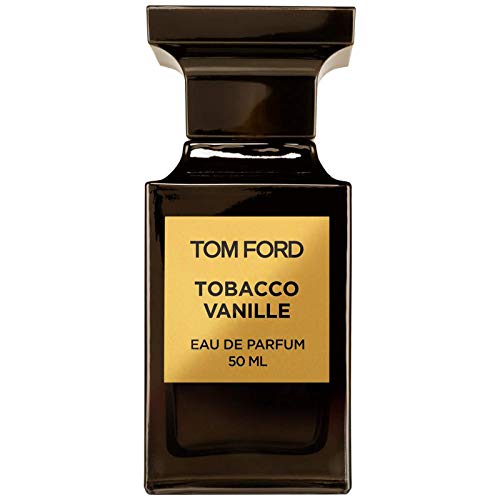
No product photoNo product photograph available for Tom Ford Tobacco Vanille Eau de Parfum

Premium Beauty listing

1The sweet, cozy tobacco

Tom Ford Tobacco Vanille Eau de Parfum

What’s in it

  • Tobacco leaf with vanilla, tonka, cocoa and dried fruit in the published note listing
  • Eau de parfum concentration with very high persistence
  • The composition most responsible for the modern sweet-tobacco genre

It is the reference for the sweet interpretation and the reason a whole sub-category exists. If you want to know what people mean by a tobacco fragrance in 2026, this is the answer.

Who it’s not for

Warm weather, or anyone who dislikes sweetness. This is a heavy, sugary, cold-weather composition, and in heat it becomes genuinely oppressive.

No product photoNo product photograph available for Serge Lutens Chergui Eau de Parfum

Premium Beauty listing

2Tobacco with hay and honey rather than sugar

Serge Lutens Chergui Eau de Parfum

What’s in it

  • Tobacco leaf with hay, honey, iris and musk in the published note listing
  • Eau de parfum concentration
  • A drier, more hay-forward treatment than the sweet-gourmand style

It shows the note closer to what cured tobacco leaf actually smells like — sweet hay and honey rather than vanilla and cocoa — which is a more accurate introduction to the material.

Who it’s not for

Anyone expecting the popular sweet-tobacco profile. This is drier and more herbal, and people arriving from the gourmand end of the category often find it thin by comparison.

Frequently Asked Questions

No. Cured tobacco leaf smells sweet, hay-like and honeyed — like an unlit pipe pouch. Burning tobacco produces an entirely different and largely unrelated set of compounds.

Sources

Who wrote this

By Sawyer V.. An enthusiast who’s genuinely into this: I read the manufacturer documentation, compile the published percentages, and do the arithmetic. No lab coat.

What I don’t do: test products, accept free product, or accept payment for placement. I hold no clinical credential and don’t claim one. How we pick.

Published September 8, 2026 · Last updated September 8, 2026

Amber resin pieces on a dark textured surface

Fragrance family

Amber Fragrances

Warm, resinous and long-lasting. Why it was renamed from oriental, and why amber is an accord rather than an ingredient.

Read it
Incense smoke rising against a dark background

Fragrance note

Incense

Cold, resinous and faintly citrusy. One of the few materials that makes a fragrance feel cool without going fresh.

Read it
Cut sandalwood logs showing grain, photographed in low light

Fragrance family

Woody Fragrances

The broadest family, split into dry-smoky and creamy-soft. Knowing which camp you are in narrows the field enormously.

Read it
Dark agarwood chips arranged on a dark textured surface

Sub-hub

Fragrance Notes

Oud, vetiver, sandalwood, patchouli, tobacco and incense — described in sensory terms, not adjectives.

Read it
A perfume bottle on dark marble, lit from one side

Fragrance literacy

Fragrance Longevity

The materials decide longevity far more than the concentration does. Which families last, and the application changes that measurably help.

Read it

Nothing here is medical advice. Editorial policy · How we pick · Affiliate disclosure