Skip to content
Glow & Gild

Fragrance family

The Leather Family

There is no leather to distill. Every leather fragrance is a reconstruction, built from tar, smoke and synthetics — which is why the family ranges from soft suede to a tannery in winter.

By Sawyer V. · Published September 24, 2026 · Last updated September 24, 2026

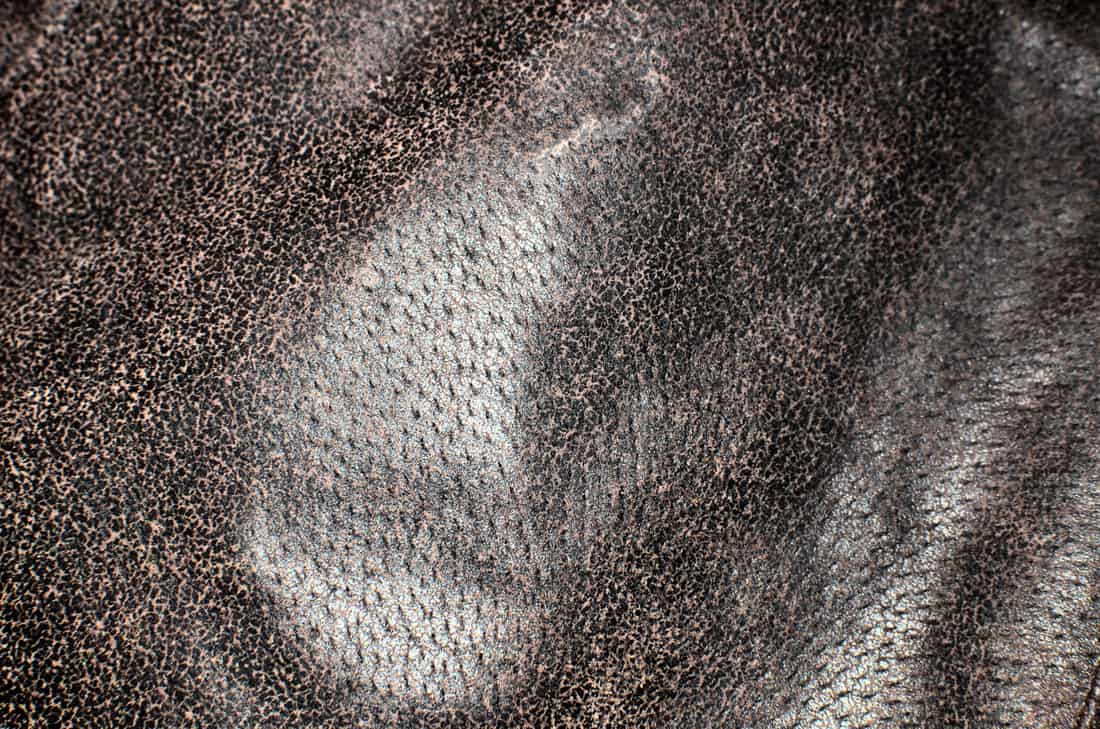
Dark brown leather photographed in close-up

The short answer

Leather is an accord rather than an ingredient: perfumers build it from birch tar, quinolines, styrax and synthetic materials, because leather itself cannot be distilled. The family splits between smoky, tarry leathers and soft suede ones. It suits cold weather, and one spray usually does the work of two.

Disclosure: Glow & Gild earns a commission when you buy through links on this page, at no extra cost to you. It does not change which product we recommend, and no brand pays for placement here. Read the full disclosure.

What Unites the Family

Leather is the clearest case in perfumery of a smell without a source. You cannot distil a hide, so every leather fragrance is a construction: a set of materials arranged to trigger the association. The oldest of them is birch tar, the smoky distillate historically used to dress Russia leather — the hide whose distinctive scent gave the accord its name in the first place.

The modern palette adds quinolines, notably isobutyl quinoline, which smell green, bitter and unmistakably like a new leather bag. Styrax and cade add resin and smoke; castoreum, historically animal-derived and now usually reconstructed, adds warmth and a faint hide-like sweetness. Different proportions of those materials are what separate a suede glove from a biker jacket.

The Split: Smoky and Suede

TypeBuilt fromHow it reads
Smoky leatherBirch tar, cade, incenseTarry and campfire-like; the most divisive version
Classic dry leatherIsobutyl quinoline, styraxBitter, green, like a new leather interior
SuedeSoft woods, iris, musksPowdery and gentle; barely leather at all
Floral leatherLeather under rose, jasmine or violetThe vintage couture style
Sweet leatherLeather with tonka, vanilla, tobaccoThe most approachable modern direction

Which camp you are in decides everything. Someone who loves a suede-and-iris composition may find a birch-tar leather genuinely unpleasant, and the word on the bottle will not warn them. Sampling matters more in this family than in any other on this site — a point we make again in best leather fragrances.

The Materials That Build It

  • Birch tar. Smoke, pitch and pine. The historical leather material, and the one behind the tarriest compositions.
  • Isobutyl quinoline. Green, bitter and dry; the signature of the classic twentieth-century leathers.
  • Styrax. A balsamic resin that adds sweetness and body under the smoke.
  • Castoreum. Warm, slightly animalic; now generally a reconstruction rather than an animal product.
  • Iris and violet. The powdery materials that turn a leather into a suede — see best iris perfumes.
  • Tobacco. The most common companion note, and the reason so many leathers read autumnal — see tobacco.

Several of these materials are restricted in use by the industry's own standards, which is one reason vintage leather perfumes often smell stronger and stranger than their current formulations. A reformulated classic is not necessarily worse; it is usually a version of the same idea built inside newer limits.

When It Works

Leather is a cold-weather family. Cool air holds these dense materials close to the skin, where they read as texture rather than as smoke; in heat the same fragrance can turn acrid. Autumn and winter are its seasons — see best fragrances for fall.

  • One spray. Leather accords are potent, and the tarry ones especially so.
  • On skin, not on a jacket. Smoky materials cling to fabric for days.
  • Evening rather than office. Suede and sweet leathers are the exceptions, and they suit work well.
  • Start with a sweet or suede leather if the family is new to you. Birch-tar compositions are an acquired taste and an expensive way to discover you do not have it.

Where to Start

Two entry points at very different prices: one a dry, mossy classic that has been in production since the 1960s, and one a modern sweet-leather with tobacco. Both are widely sold, and both are far cheaper than the niche leathers the family is famous for.

Aramis Eau de Toilette

1 — The classic dry leather, cheaply

Aramis Eau de Toilette

What’s in it

  • Leather-and-moss composition released in 1966
  • Sold as a 3.7 oz eau de toilette
  • Widely available in US drugstores and online

One of the last mainstream survivors of the dry, mossy leather style, and by far the cheapest way to find out whether that style suits you.

Who it’s not for

Anyone expecting a modern fragrance. It smells of its era, and applied heavily it is severe.

$31.74 · View on Amazon

Amazon price as of October 16, 2026, 03:15 UTC — details

#ad — how we’re funded

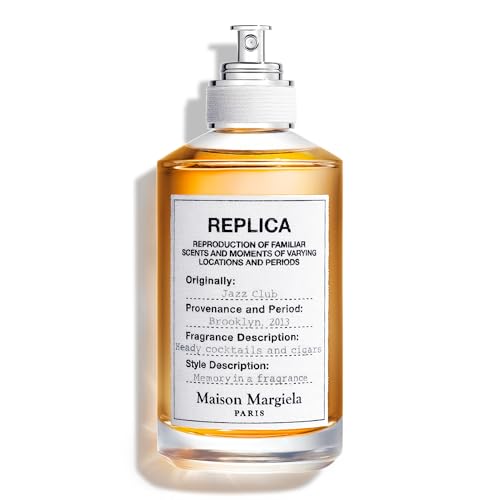
Maison Margiela Replica Jazz Club

Premium Beauty listing

2 — Sweet leather and tobacco

Maison Margiela Replica Jazz Club

What’s in it

  • Eau de toilette; rum and clary sage over a base of styrax, tobacco leaf and vanilla bean, per the house
  • Styrax is the leather material here — the same resin listed in the classic dry-leather row above
  • Sold in 30 ml and 100 ml; part of the house's Replica line

The approachable end of the family: leather softened by tobacco and vanilla, which is how most people should meet the accord.

Who it’s not for

Anyone looking for a true tarry leather — this is sweet, and purists will say it is barely leather at all.

$170.00 · View on Amazon

Amazon price as of October 16, 2026, 03:15 UTC — details

#ad — how we’re funded

Frequently Asked Questions

An accord built from birch tar, quinolines, styrax and related materials. Leather itself cannot be distilled.

Sources

Who wrote this

By Sawyer V.. An enthusiast who’s genuinely into this: I read the manufacturer documentation, compile the published percentages, and do the arithmetic. No lab coat.

What I don’t do: test products, accept free product, or accept payment for placement. I hold no clinical credential and don’t claim one. How we pick.

Published September 24, 2026 · Last updated September 24, 2026

Dried tobacco leaves photographed on a dark background

Fragrance note

Tobacco

Sweet hay, honey and dried fruit. Nothing like cigarette smoke, which is the most common misunderstanding about it.

Oakmoss and forest floor detail in low, dark light

Fragrance family

Chypre Fragrances

Pronounced SHEEP-ruh. A structure rather than a dominant note, and the family most changed by oakmoss regulation.

Cut sandalwood logs showing grain, photographed in low light

Fragrance family

Woody Fragrances

The broadest family, split into dry-smoky and creamy-soft. Knowing which camp you are in narrows the field enormously.

A fine mist of fragrance caught in low light against a dark background

Fragrance literacy

Fragrance Notes Explained

Note, accord and family are three different words. What the pyramid actually models, and the two reasons listings mislead.

Nothing here is medical advice. Editorial policy · How we pick · Affiliate disclosure