Skip to content
Glow & Gild

Fragrance note

Incense

Cold, resinous and slightly citrusy, with a dry smoke underneath. One of the few notes that reads as cool rather than warm.

By Sawyer V. · Published September 8, 2026 · Last updated September 8, 2026

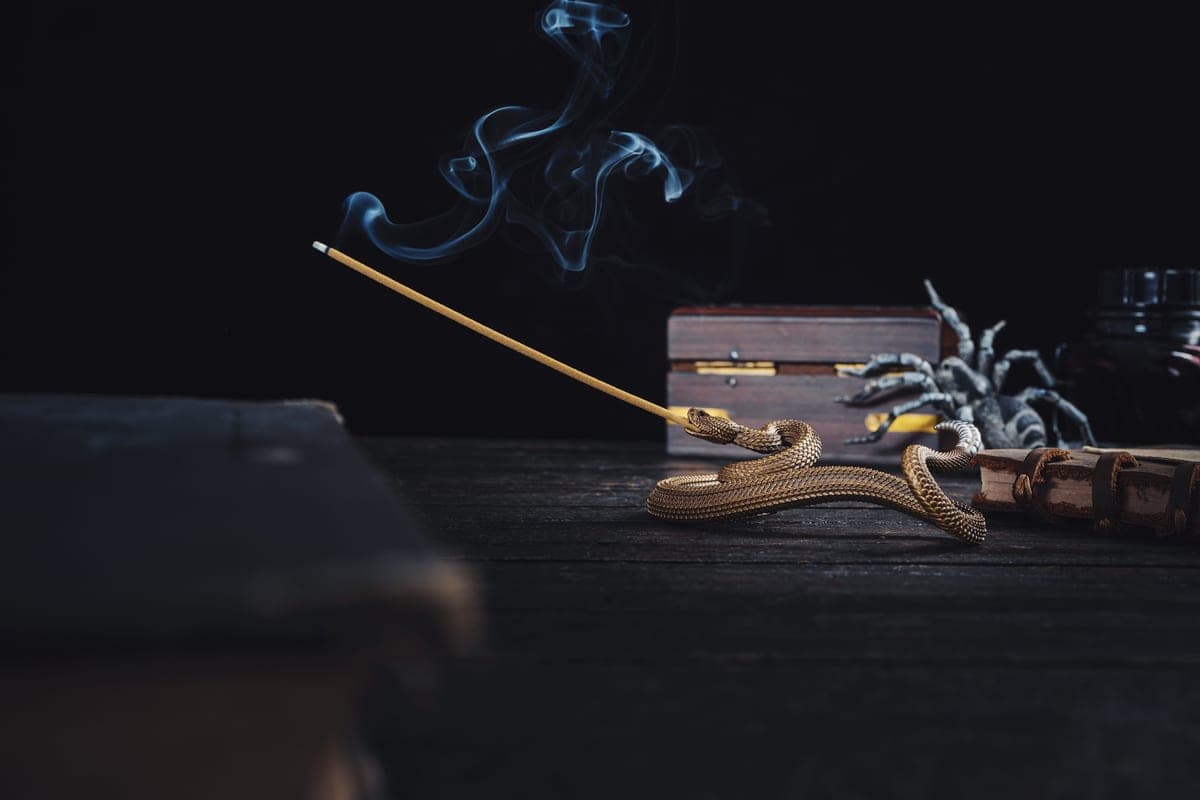
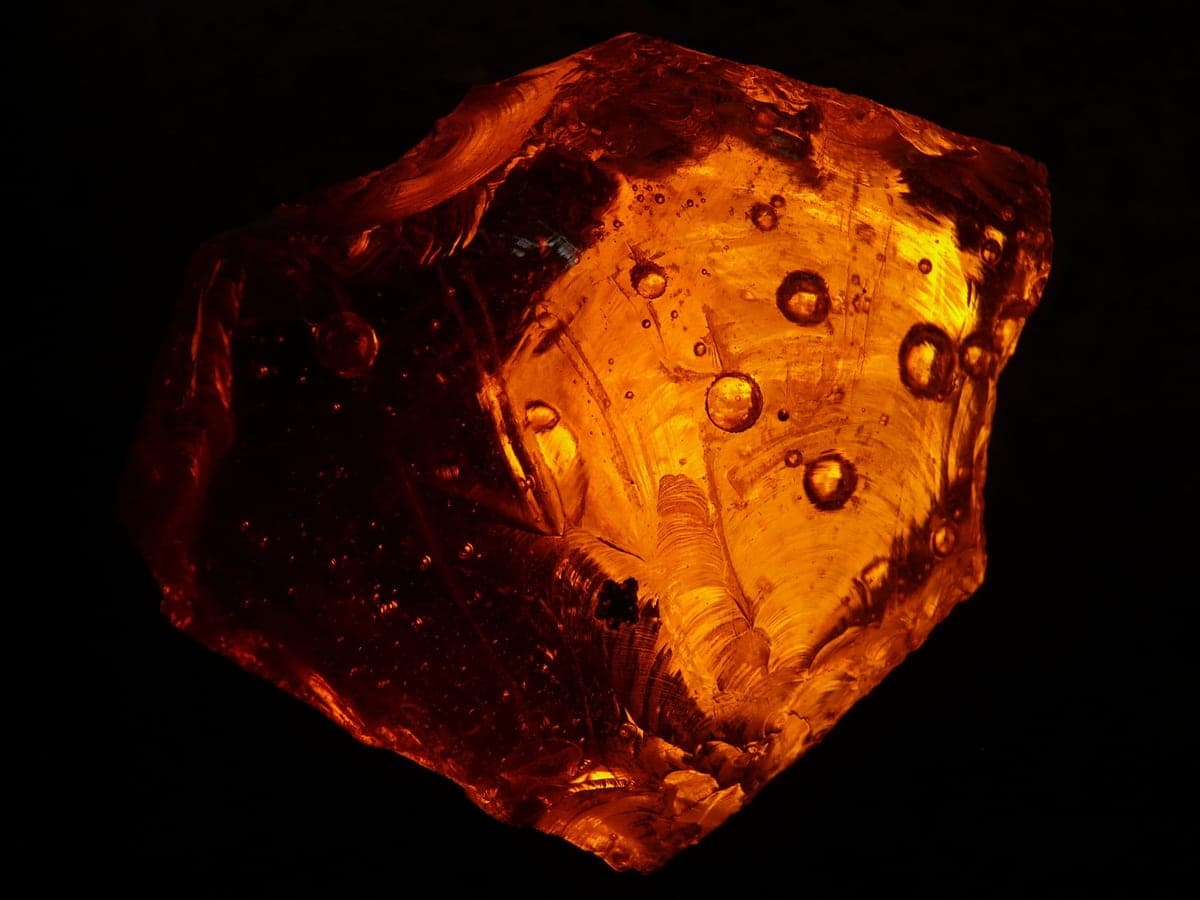
Incense smoke rising against a dark background

The short answer

Incense in fragrance usually means frankincense — a tree resin that smells cold, dry, resinous and faintly citrusy, with a peppery lift. It reads as cool rather than warm, which is unusual for a resin, and it carries strong ecclesiastical associations.

Disclosure: Glow & Gild earns a commission when you buy through links on this page, at no extra cost to you. It does not change which product we recommend, and no brand pays for placement here. Read the full disclosure.

What It Actually Smells Like

Frankincense — olibanum, from *Boswellia* trees — is the material most people mean by incense. Unburned, it smells resinous and cold, with a distinct citrus-peel brightness at the top and a dry, slightly peppery edge. Burned, it gains the smoky quality that most people associate with the word.

The cold quality is the interesting part. Most resins — labdanum, benzoin, myrrh — read warm and sweet. Frankincense does the opposite: it has a mineral, almost airy character that makes it one of the few materials that can make a composition feel cool without using anything fresh or aquatic.

Myrrh is the other resin frequently filed under incense and is meaningfully different: warmer, more bitter, medicinal, with a mushroomy and almost balsamic depth. Where frankincense lifts, myrrh anchors. Fragrances listing both are usually using them for exactly that contrast.

The Ecclesiastical Association, and Working With It

Frankincense has been burned in religious ceremony for thousands of years across multiple traditions, and for many people in the West the association with church is immediate and unshakeable. That is not a problem to design around — it is frequently the effect a perfumer is reaching for.

Whether it works for you is largely a question of what the association brings up. Some people find incense fragrances contemplative and elegant; others find them uncomfortably ceremonial for a working day. It is worth knowing which camp you are in before buying, because no amount of skilled composition removes the reference.

Compositions that mute the association usually do so by pairing frankincense with something firmly secular — citrus, leather, or a clean modern musk — rather than with the myrrh and resin combination that reinforces it.

Where It Comes From

Frankincense is the hardened resin of *Boswellia* trees, harvested by cutting the bark and allowing the exuded sap to dry into tears. The main species come from Somalia, Ethiopia, Oman and India, and each produces a recognizably different material — Omani frankincense in particular is prized and expensive.

There is a genuine sustainability question here. Several *Boswellia* populations are under pressure from over-tapping and land-use change, and some species are assessed as threatened. Perfumery is a small consumer relative to the broader resin trade, but the constraint is real and it is worth knowing that the supply story is not comfortable.

Myrrh comes from *Commiphora* trees by a similar tapping process, mainly from the Horn of Africa, and faces comparable pressures.

How It Behaves in a Fragrance

Incense sits in the heart and base with good persistence. It is not as loud as oud or as sweet as tobacco, and it is most often used to give a composition space and coolness rather than to dominate it.

Standard treatments: incense with cold woods (cedar, cypress) produces the austere, mineral style; incense with [amber](/fragrance/families/amber) and resins produces the warm, devotional one; incense with citrus emphasizes the peel-like top facet and reads surprisingly fresh; incense with leather or [oud](/fragrance/notes/oud) produces the darkest and most polarizing register.

It is also one of the most effective materials for adding texture to an otherwise smooth composition. A trace of incense under a floral or a clean musk gives it grain, which is why it appears in ingredient lists far more often than it appears in marketing copy.

Which Families It Builds

  • [Amber](/fragrance/families/amber) — the resinous heart of the family, especially in its cooler interpretations.
  • [Woody](/fragrance/families/woody) — at the dry, smoky end alongside cedar and vetiver.
  • [Chypre](/fragrance/families/chypre) — occasionally, reinforcing the bitterness of the base.
  • Floral — as a cool, textural counterweight under rose or iris.

Where to Start

One cold, austere incense and one warm, resinous one — the two poles of how the note is used.
No product photoNo product photograph available for Comme des Garcons Avignon Eau de Toilette

Premium Beauty listing

1The cold, ecclesiastical register

Comme des Garcons Avignon Eau de Toilette

What’s in it

  • Frankincense with roman camomile, cistus and vanilla in the published note listing
  • Part of the brand's Incense series, each built around a different tradition
  • Eau de toilette concentration

It is the most direct expression of the ecclesiastical association available — unapologetically cold, resinous and ceremonial. If you want to know whether that register appeals to you, this settles it in one wearing.

Who it’s not for

Anyone uncomfortable with the church reference. This makes no attempt to soften it, and people who find the association distracting will find this the most distracting version of it.

No product photoNo product photograph available for Comme des Garcons Kyoto Eau de Toilette

Premium Beauty listing

2Incense with cold woods, less ceremonial

Comme des Garcons Kyoto Eau de Toilette

What’s in it

  • Incense with cypress, cedar, vetiver and teak in the published note listing
  • From the same Incense series, built on the Japanese rather than Christian tradition
  • Eau de toilette concentration

It uses the same note towards a completely different end — dry woods and cool smoke rather than resin and ceremony — which demonstrates how much the supporting cast changes what incense reads as.

Who it’s not for

Anyone who wants warmth or sweetness. This is a cool, spare, almost minimal composition, and people expecting a rich resinous fragrance find it austere.

Frequently Asked Questions

Cold, dry and resinous with a citrus-peel brightness and a peppery edge. Frankincense is the material usually meant, and unlike most resins it reads cool rather than warm.

Sources

Who wrote this

By Sawyer V.. An enthusiast who’s genuinely into this: I read the manufacturer documentation, compile the published percentages, and do the arithmetic. No lab coat.

What I don’t do: test products, accept free product, or accept payment for placement. I hold no clinical credential and don’t claim one. How we pick.

Published September 8, 2026 · Last updated September 8, 2026

Amber resin pieces on a dark textured surface

Fragrance family

Amber Fragrances

Warm, resinous and long-lasting. Why it was renamed from oriental, and why amber is an accord rather than an ingredient.

Read it
Dark agarwood chips on a textured dark surface

Fragrance note

Oud

Resinous, animalic and medicinal. What real agarwood smells like, and why the version in your bottle almost certainly is not it.

Read it
Sandalwood powder and sticks arranged on a dark surface

Fragrance note

Sandalwood

Creamy, milky and quietly sweet. The softest major wood, and the one where the synthetic is genuinely as good.

Read it
Cut sandalwood logs showing grain, photographed in low light

Fragrance family

Woody Fragrances

The broadest family, split into dry-smoky and creamy-soft. Knowing which camp you are in narrows the field enormously.

Read it
Dark agarwood chips arranged on a dark textured surface

Sub-hub

Fragrance Notes

Oud, vetiver, sandalwood, patchouli, tobacco and incense — described in sensory terms, not adjectives.

Read it
A fine mist of fragrance caught in low light against a dark background

Fragrance literacy

Fragrance Notes Explained

Note, accord and family are three different words. What the pyramid actually models, and the two reasons listings mislead.

Read it

Nothing here is medical advice. Editorial policy · How we pick · Affiliate disclosure