Skip to content
Glow & Gild

Fragrance note

Sandalwood

Creamy, milky and quietly sweet — the softest of the major woods, and the one with the most complicated supply story.

By Sawyer V. · Published September 8, 2026 · Last updated September 8, 2026

Sandalwood powder and sticks arranged on a dark surface

The short answer

Sandalwood smells creamy, milky and softly sweet, with a smooth woody warmth and no sharpness. It is one of the few woods that reads as comforting. Indian Mysore sandalwood is severely restricted, so most fragrances use Australian sandalwood or synthetics.

Disclosure: Glow & Gild earns a commission when you buy through links on this page, at no extra cost to you. It does not change which product we recommend, and no brand pays for placement here. Read the full disclosure.

What It Actually Smells Like

Sandalwood is the outlier among woods. Where cedar is sharp and vetiver is austere, sandalwood is round. The dominant impression is creamy and milky, with a soft sweetness that never becomes sugary, and a warm woody body underneath.

There is also a faint buttery, almost lactonic quality that is the hardest part to reproduce synthetically and the most distinctive part of high-grade natural material. Good sandalwood smells less like wood than like something warm and slightly dairy — which sounds odd written down and is immediately recognizable in person.

It is one of very few fragrance materials with almost no detractors. People are indifferent to sandalwood far more often than they dislike it, which is why it is used so heavily as a supporting material across every family.

The Supply Problem

*Santalum album*, Indian sandalwood, is the historically prized species and the source of the Mysore material perfumers still refer to as the standard. Overharvesting reduced wild populations severely, and the species is listed as vulnerable, with Indian export tightly controlled.

The result is that genuine Mysore sandalwood oil is scarce and expensive, and most references to it in current product copy are aspirational rather than literal. Two substitutions dominate instead:

  • Australian sandalwood (*Santalum spicatum*), which is sustainably plantation-grown and legitimately sandalwood — drier, slightly nuttier and less creamy than Indian, but the real material.
  • Plantation-grown Indian sandalwood, increasingly from Australian plantations of *Santalum album*, which is much closer to the classical profile and is expanding supply meaningfully.
  • Synthetics — Javanol, Ebanol, Sandalore and relatives, which reproduce the creamy woody character convincingly and are used in the overwhelming majority of commercial fragrances.

How It Behaves in a Fragrance

Sandalwood is a base note with good persistence and modest projection. It is a quiet material: it rarely dominates a composition even when it is the headline, and its main structural role is to make everything around it rounder.

That makes it perfumery's most reliable smoothing agent. Sandalwood underneath a sharp floral softens it; underneath a harsh wood it adds body; underneath a citrus it gives the composition somewhere to land. A great many fragrances contain sandalwood without ever mentioning it, for exactly this reason.

Classic pairings: sandalwood with rose or jasmine (the material's oldest use, in Indian attars); sandalwood with incense, which is close to a devotional cliche and works anyway; sandalwood with vanilla or tonka, producing the creamy-gourmand style; and sandalwood with iris, which is one of the most elegant combinations available.

Which Families It Builds

  • [Woody](/fragrance/families/woody) — the creamy camp of the family is essentially defined by this material.
  • [Amber](/fragrance/families/amber) — sandalwood is a standard component of the warmer resinous compositions.
  • Floral — as the base under rose and jasmine, in a tradition going back centuries.
  • Gourmand-adjacent — with vanilla and tonka, where its milky quality does most of the work.

Where to Start

Two sandalwood-forward compositions with different treatments, both readily available in samples.

No product photoNo product photograph available for Diptyque Tam Dao Eau de Parfum

Premium Beauty listing

1The creamy sandalwood profile, plainly

Diptyque Tam Dao Eau de Parfum

What’s in it

  • Sandalwood accord with cedar and cypress in the published note listing
  • Eau de parfum concentration; an eau de toilette version reads considerably lighter
  • One of the reference creamy-wood compositions in mainstream niche perfumery

It presents the creamy sandalwood profile without a large supporting cast, which makes it the clearest widely available way to learn what the material contributes.

Who it’s not for

Anyone who wants presence. This wears close to the skin by design, and if you are looking for something that fills a room you will find it disappointingly polite.

No product photoNo product photograph available for Le Labo Santal 33 Eau de Parfum

Premium Beauty listing

2The modern synthetic-sandalwood style

Le Labo Santal 33 Eau de Parfum

What’s in it

  • Sandalwood accord with cardamom, iris, violet and leather in the published note listing
  • Eau de parfum concentration
  • One of the most widely imitated fragrances of the last fifteen years

It is the composition that defined how contemporary perfumery uses sandalwood — synthetic, diffusive, paired with leather and iris rather than with rose. Whether or not you buy it, it explains a great deal of what is currently on the shelf.

Who it’s not for

Anyone who wants to smell unusual. This has been extremely popular for over a decade and has been imitated widely enough that the profile now reads as generic to some people.

Frequently Asked Questions

Creamy, milky and softly sweet, with a smooth woody warmth and a faint buttery quality. It is the roundest and most comforting of the major woods.

Sources

Who wrote this

By Sawyer V.. An enthusiast who’s genuinely into this: I read the manufacturer documentation, compile the published percentages, and do the arithmetic. No lab coat.

What I don’t do: test products, accept free product, or accept payment for placement. I hold no clinical credential and don’t claim one. How we pick.

Published September 8, 2026 · Last updated September 8, 2026

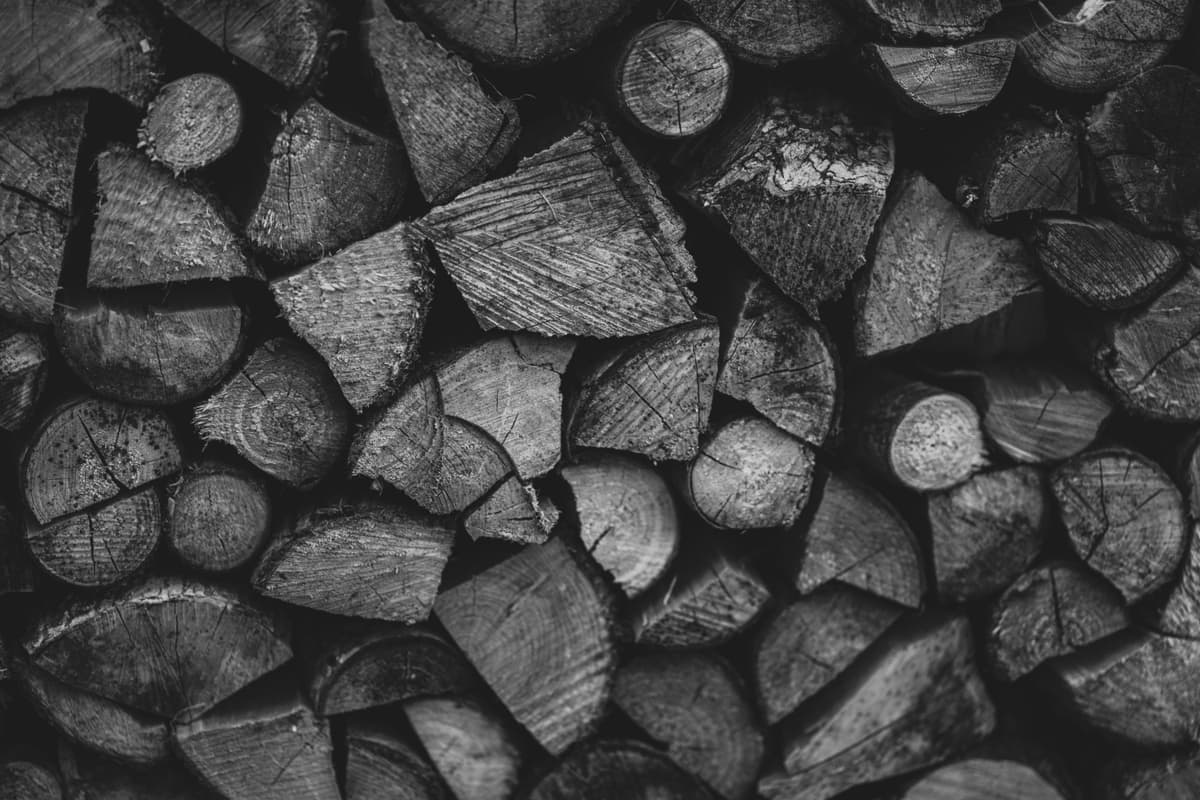
Cut sandalwood logs showing grain, photographed in low light

Fragrance family

Woody Fragrances

The broadest family, split into dry-smoky and creamy-soft. Knowing which camp you are in narrows the field enormously.

Read it
Dark agarwood chips on a textured dark surface

Fragrance note

Oud

Resinous, animalic and medicinal. What real agarwood smells like, and why the version in your bottle almost certainly is not it.

Read it
Incense smoke rising against a dark background

Fragrance note

Incense

Cold, resinous and faintly citrusy. One of the few materials that makes a fragrance feel cool without going fresh.

Read it
Amber resin pieces on a dark textured surface

Fragrance family

Amber Fragrances

Warm, resinous and long-lasting. Why it was renamed from oriental, and why amber is an accord rather than an ingredient.

Read it
Dark agarwood chips arranged on a dark textured surface

Sub-hub

Fragrance Notes

Oud, vetiver, sandalwood, patchouli, tobacco and incense — described in sensory terms, not adjectives.

Read it

Nothing here is medical advice. Editorial policy · How we pick · Affiliate disclosure