Choose a foundation on finish, coverage and shade first. Whether it carries a clean label is, at most, a tiebreaker.
By Sawyer V. · Published September 10, 2026 · Last updated September 10, 2026
The short answer
A clean foundation is one from a brand that excludes a retailer-style list of ingredients; clean has no legal definition. Choose on what changes the result: finish, coverage, format and shade range, plus fragrance-free if you are sensitive. SPF in a foundation is applied far too thinly to replace sunscreen.
Disclosure: Glow & Gild earns a commission when you buy through links on this page, at no extra cost to you. It does not change which product we recommend, and no brand pays for placement here. Read the full disclosure.
How We Picked
We began with foundations their brands market as clean, then sorted by format — liquid, stick, cream and loose mineral powder — because format decides who a foundation suits more than any ingredient exclusion. We have not tested any of these.
Everyone in this category says they tested twenty of these. We have not tested any, and we say so. What we did instead: compiled the published concentrations and ingredient lists, checked each claim against what the formula can actually support, and wrote down who each product is wrong for. The full method is published so you can check it.
What Actually Decides a Good Foundation
Factor
Why it matters
Finish
Dewy suits dry skin; matte suits oily skin
Coverage
Sheer evens tone; full hides redness and marks
Format
Liquid, stick, cream and powder wear very differently
Shade and undertone
A mismatch shows at the jaw, whatever the formula
Fragrance
Fragrance-free is the safer choice for sensitive skin
The clean label addresses none of those directly. As clean beauty explained sets out, it is a list of exclusions, not a quality or safety standard. If a foundation meets your needs on the factors above and is also marketed as clean, that is fine — but it should not be the reason you choose it. For coverage decisions, see tinted moisturizer vs. foundation.
The SPF in Your Foundation
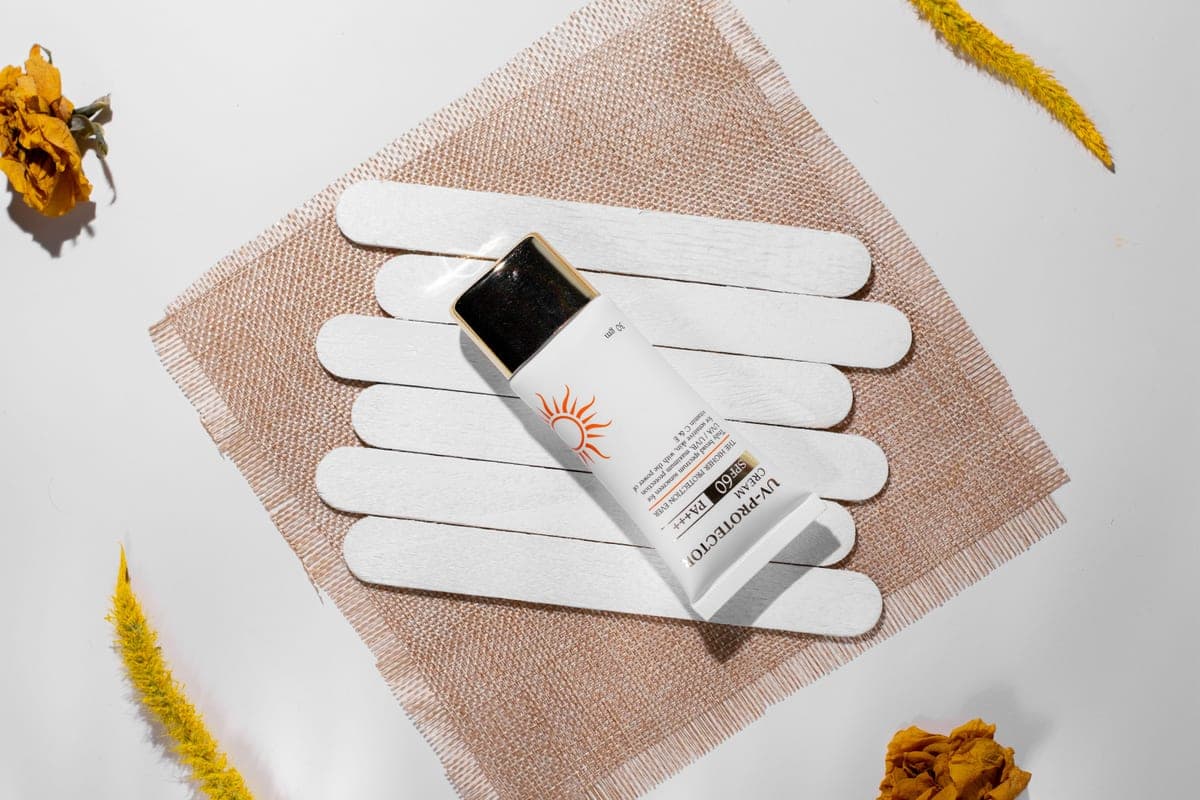
SPF is tested at 2 mg of product per square centimeter of skin — about a third of a teaspoon for the face. Nobody applies foundation that thickly, so the protection you actually get is a fraction of the number on the bottle. Mineral powder foundations with sunscreen filters face the same problem: a light dusting delivers far less than the tested dose.
No product photoNo product photograph available for Kosas Revealer Skin-Improving Foundation SPF 25
1 — A natural-finish liquid foundation
Kosas Revealer Skin-Improving Foundation SPF 25
What’s in it
Liquid foundation with SPF 25
Natural, skin-like finish
Marketed as clean by the brand
It sits between a tinted moisturizer and a full foundation — buildable coverage with a skin-like finish — which suits most people looking at this category.
Who it’s not for
Very oily skin that wants a matte, long-wear finish, and anyone treating its SPF as their sunscreen.
Relying on the SPF in your foundation as your sunscreen
Foundations with SPF are marketed as a way to skip a step, and a number on the bottle feels like protection. But SPF is tested at a thick, even layer that no one applies as makeup, so the real protection from a normal amount of foundation is a fraction of the label — and powder foundations deliver even less. The result is people who believe they are protected every day and are not. Apply a dedicated sunscreen first and let any SPF in your foundation be extra.
Frequently Asked Questions
It comes from a brand that excludes a self-chosen list of ingredients. There is no legal definition of clean.
Not inherently. Look at finish, format and fragrance instead; many conventional foundations suit acne-prone skin well.
No. It is tested at a far thicker layer than anyone applies, so wear a dedicated sunscreen underneath.
Often, especially fragrance-free loose mineral powders. Dry skin may prefer a cream or liquid.
Test two or three close shades on your jawline in daylight and judge after a few minutes, once the formula has settled.
By Sawyer V.. An enthusiast who’s genuinely into this: I read the manufacturer documentation, compile the published percentages, and do the arithmetic. No lab coat.
What I don’t do: test products, accept free product, or accept payment for placement. I hold no clinical credential and don’t claim one. How we pick.
Published September 10, 2026 · Last updated September 10, 2026