Who the Format Suits
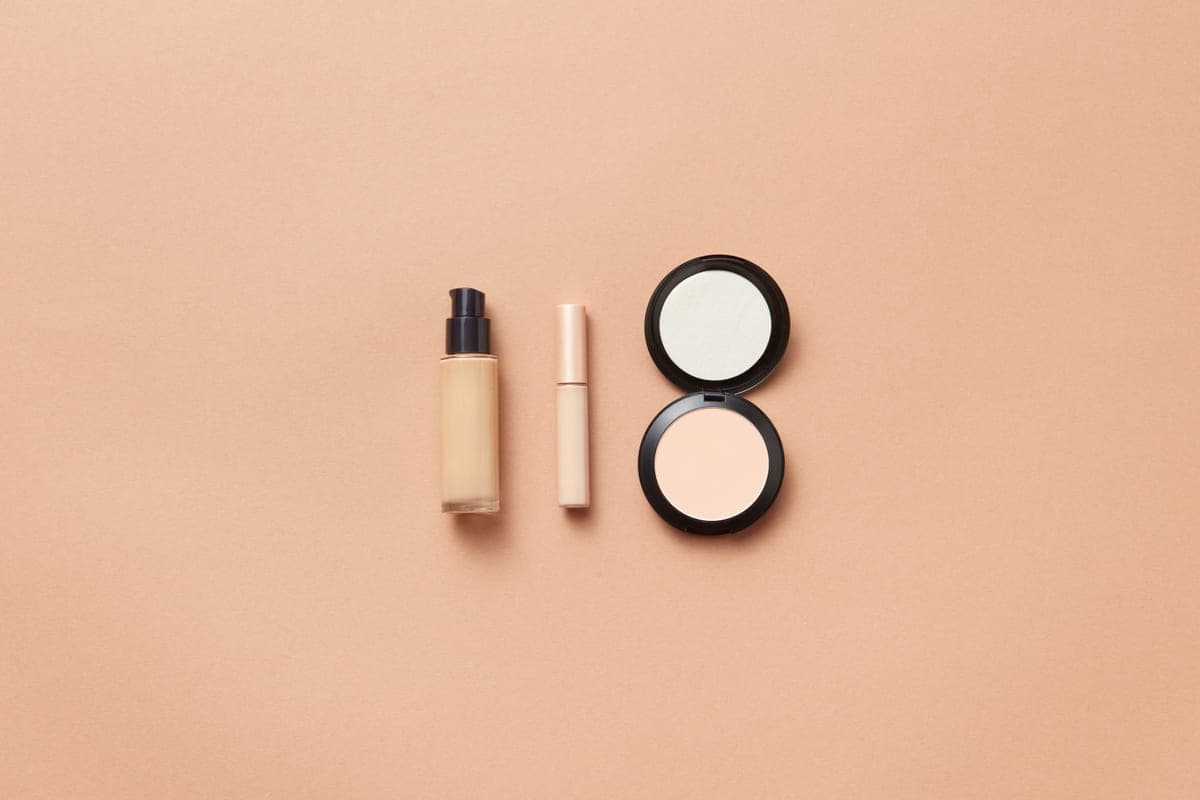
Powder foundation is a single-step base: pigment suspended in a powder that both covers and mattifies. That combination is excellent on oily skin, where liquid foundation tends to break up by midday, and unforgiving on dry skin, where powder settles into every flake and fine line it can find.
| Skin | Verdict | Why |
|---|---|---|
| Oily | The best format available | Absorbs sebum; reapplies cleanly over the top |
| Combination | Works, applied selectively | Powder on the T-zone, something else elsewhere |
| Normal | Fine, for a matte finish | Depends on the look you want rather than need |
| Dry | Usually the wrong choice | Emphasizes flaking and fine lines |
| Mature | Use sparingly, if at all | Powder settles into lines; a light hand or a cream is better |
If your skin is dry but you like the finish, the answer is preparation rather than a different powder: moisturize, let it absorb fully, and use a loose mineral formula rather than a pressed one — see best moisturizers for dry skin.
Pressed, Loose and Mineral
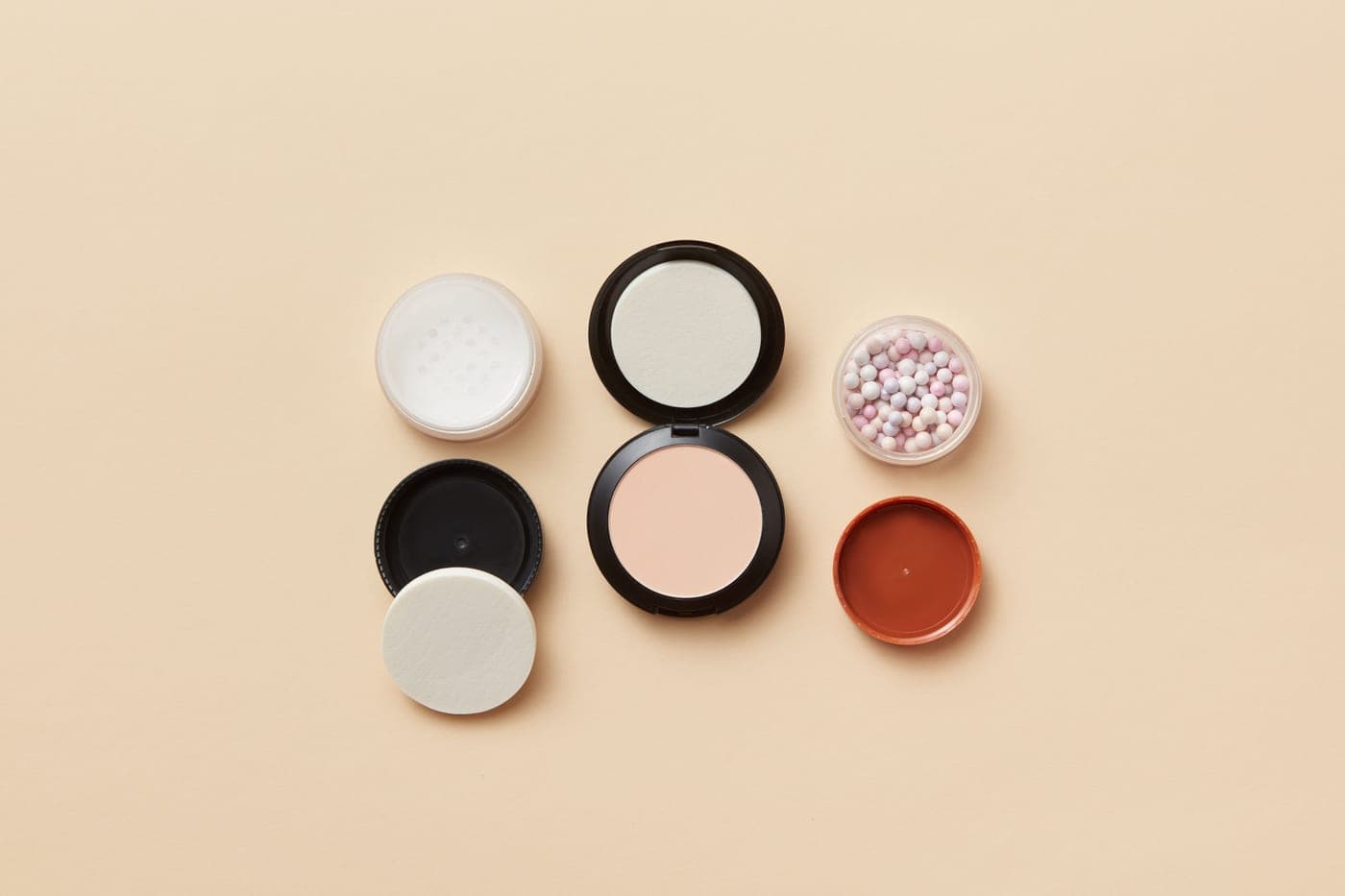
- Pressed powder foundation. The most coverage and the most portable. Applied with a sponge for full coverage or a brush for less.
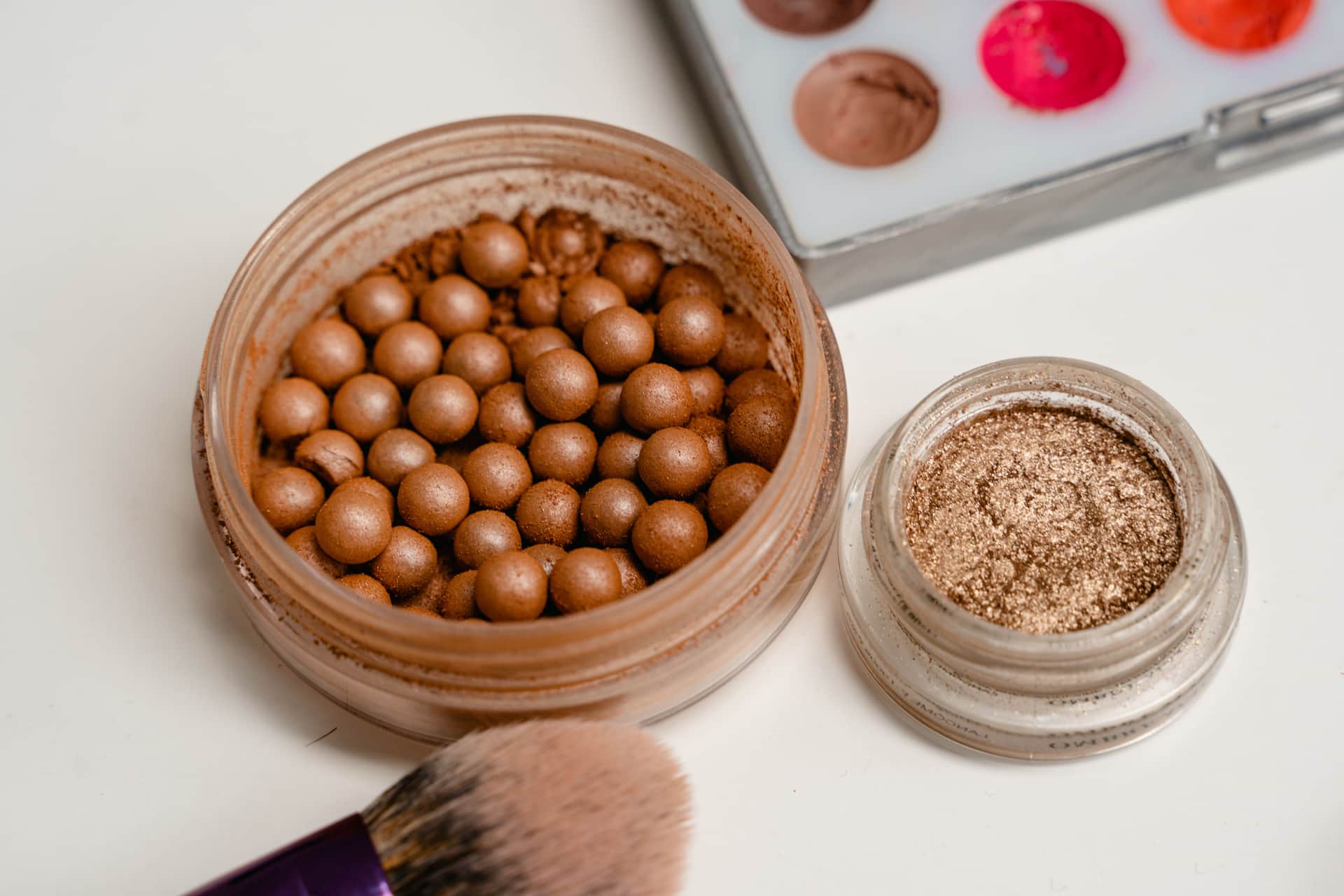
- Loose mineral powder. Lighter, buildable, and usually free of talc. Messier to apply and harder to travel with.
- Powder over liquid. Not a foundation at all — that is a setting powder, and a different product — see best setting powders.
- Powder with SPF. Useful as a top-up over sunscreen, never as the sunscreen itself; the amount applied is far below the test dose.
- Talc-free formulas. Widely available, and the usual choice for anyone who prefers to avoid talc — see mineral makeup explained.
Application, Which Decides the Finish
- Moisturize and let it absorb fully. Powder applied to tacky skin grabs and looks patchy.
- Start with less than you think. Powder builds quickly and is hard to remove once over-applied.
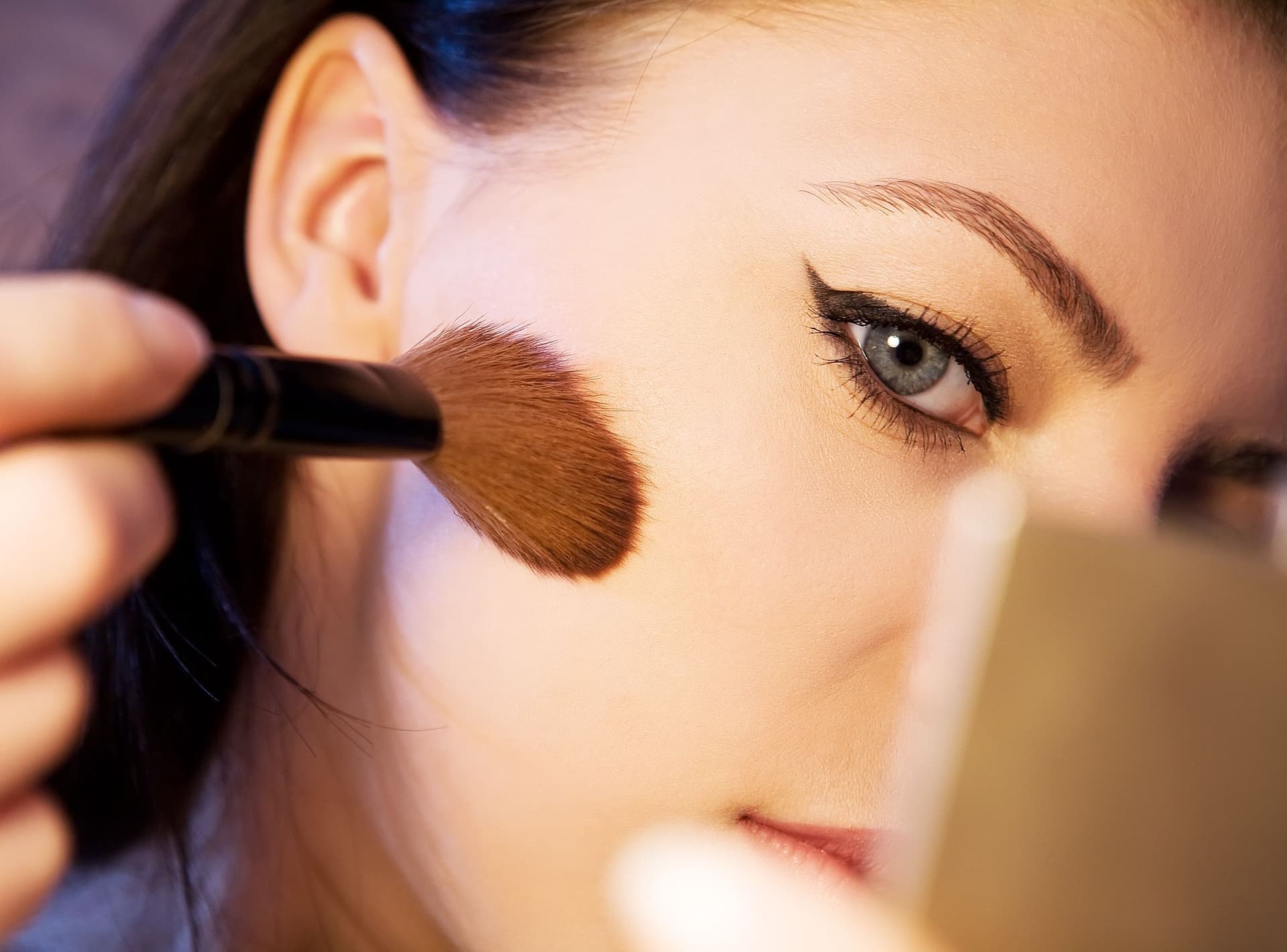
- Brush for sheer, sponge for full. The same product can be two different coverages depending on the tool.
- Press, do not sweep, over dry patches so you do not lift flakes.
- Reapply by blotting first. Powder over oil is what causes a cakey look by afternoon.
Shade Matching, Which Decides Satisfaction
Powder is harder to shade-match than liquid foundation, for two reasons. It oxidizes less, so what you see in the pan is closer to what you get — but it also sits on the surface rather than melting in, which means a shade that is slightly off never quite settles.
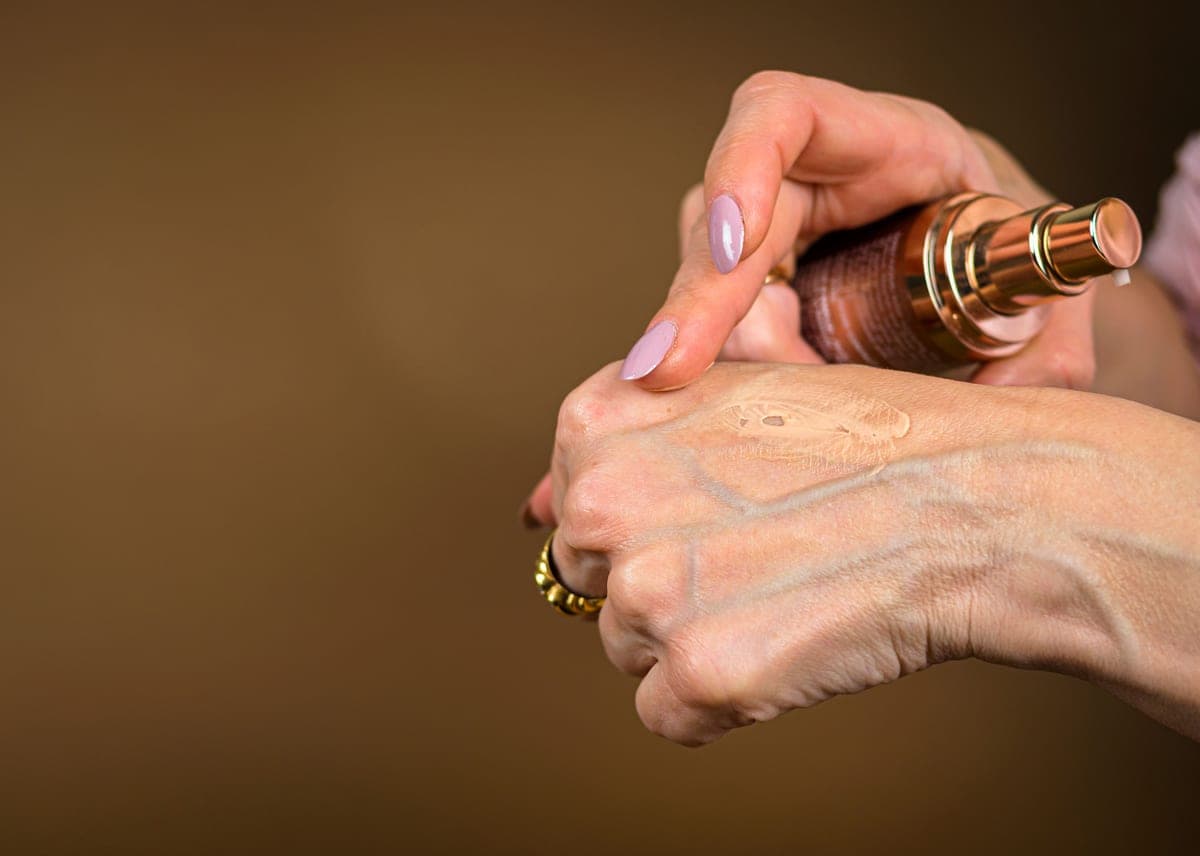
- Match along the jaw, not the wrist or the hand. The face and neck should agree; the hand is usually a different depth entirely.
- Check it in daylight. Store lighting is the reason so many bases look right at the counter and wrong in a photograph.
- Undertone before depth for powders. A yellow-toned powder on pink-toned skin reads sallow even at the correct depth.
- Go a half-shade lighter if you are between two, because powder builds and darkens as you layer it.
- Expect to need two shades over a year if you tan at all — powder shows a mismatch faster than a sheer liquid does.
Loose mineral powders are more forgiving here than pressed ones: they are usually sheerer, so a near-miss reads as a slight cast rather than a mask. If you are buying online without swatching, that is the safer format to start in.
One more practical note: powder foundation and setting powder are not interchangeable, and using a pigmented powder to set a liquid base is the fastest route to a heavy finish. If setting is what you want, best setting powders is the right page.