The Rule: Opposite Colors Cancel
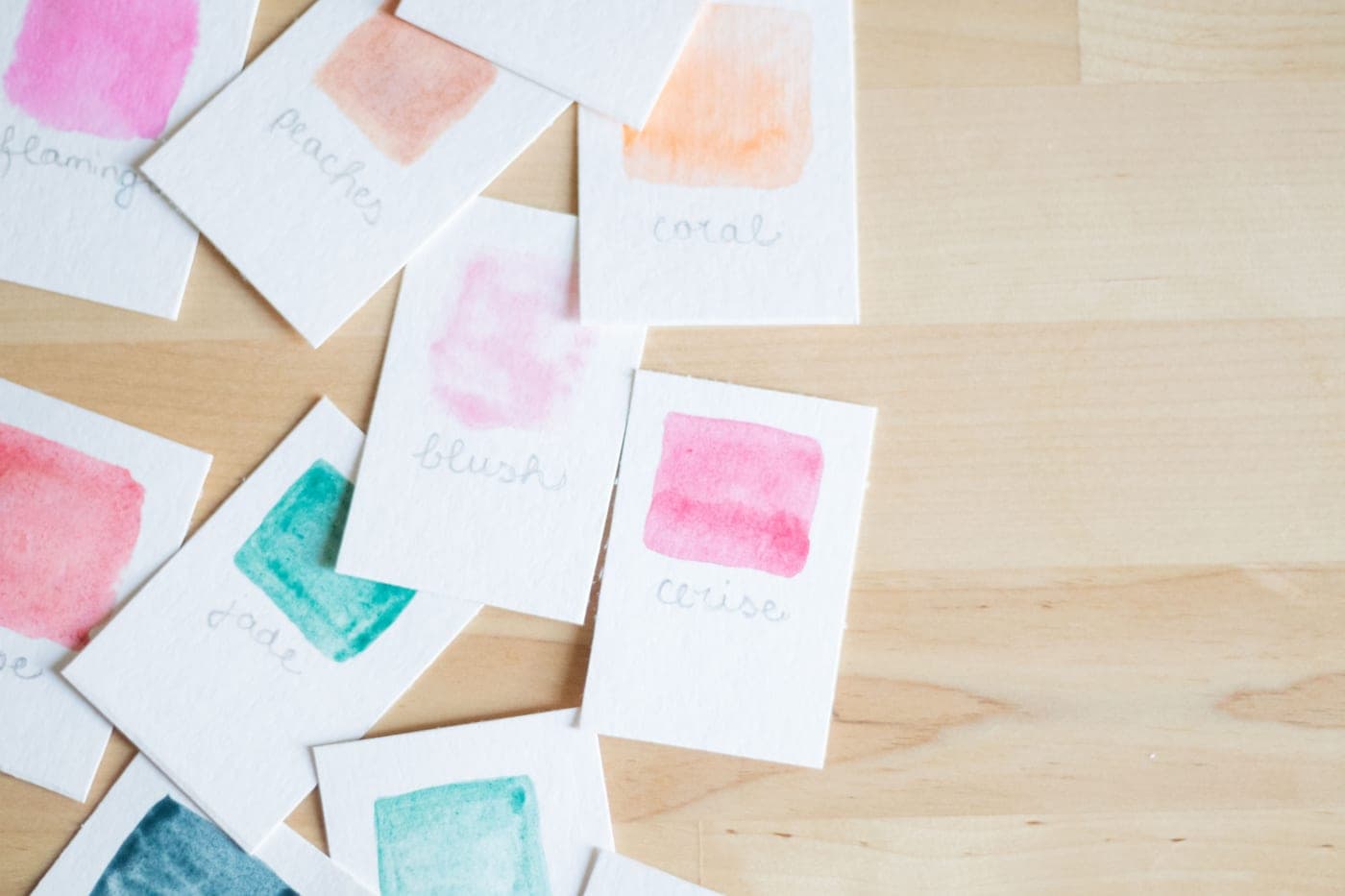
Color correcting works on the same principle as complementary colors in art: two colors opposite each other on the color wheel neutralize one another when mixed. Applied to skin, a thin layer of the opposite color visually cancels the discoloration underneath rather than hiding it, which is why a corrector can do in one sheer layer what three layers of concealer cannot.
| Discoloration | Corrector color | Typical use |
|---|---|---|
| Redness, rosacea, blemish marks | Green | Around the nose, cheeks, individual spots |
| Blue or purple dark circles | Peach (fair to medium skin) | Under the eyes |
| Deep brown or gray circles | Orange or red (medium to deep skin) | Under the eyes |
| Dullness and sallowness | Lavender | Across the center of the face |
| Dark spots and shadows | Yellow | Anywhere, as a brightener |
Skin depth decides the shade more than the discoloration does. The same blue-toned circle needs peach on fair skin, orange on medium skin and a deeper red-orange on deep skin, because the corrector has to be strong enough to counteract the darkness without leaving a gray cast.
Technique, Which Is Where It Usually Goes Wrong
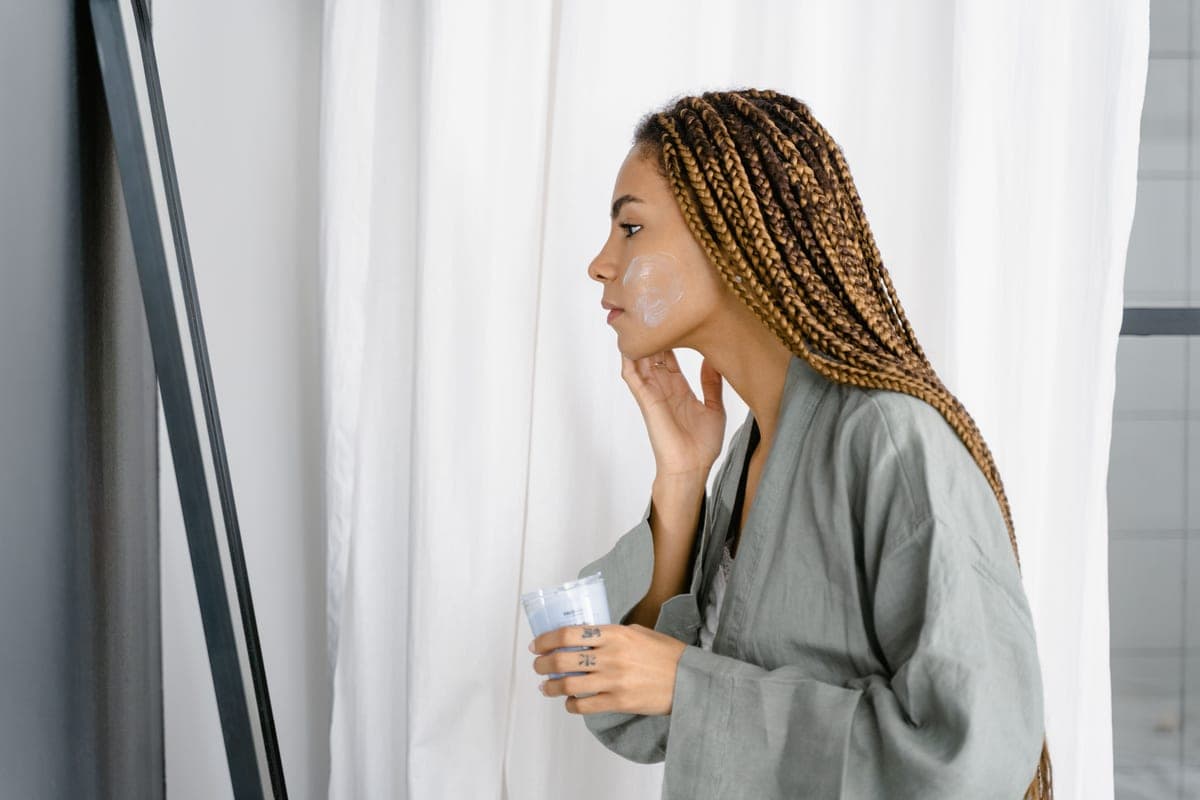
- Moisturize first and let it absorb. Correctors cling to dry patches, and the under-eye is usually the driest part of the face.
- Apply only to the discolored area, in a layer thin enough that you can still see skin through it.
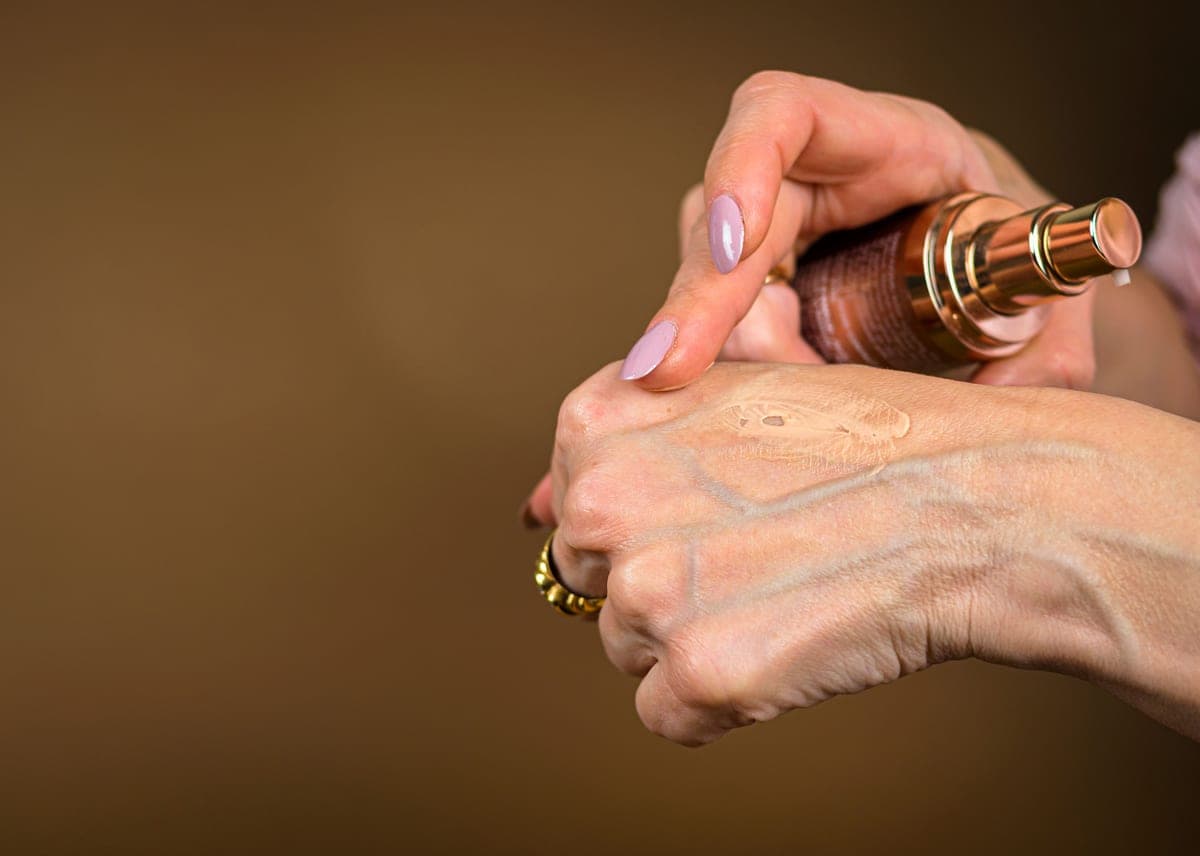
- Tap, do not drag. A fingertip or a small brush; dragging moves the product off the spot you are covering.
- Wait ten seconds, then judge. Most people add a second layer before the first has settled.
- Concealer or foundation over the top, lightly. The corrector neutralizes; the concealer evens.
- Set only if you need to. Powder over a thick corrector is what creates creasing under the eyes.
Formats, and Who Each Suits
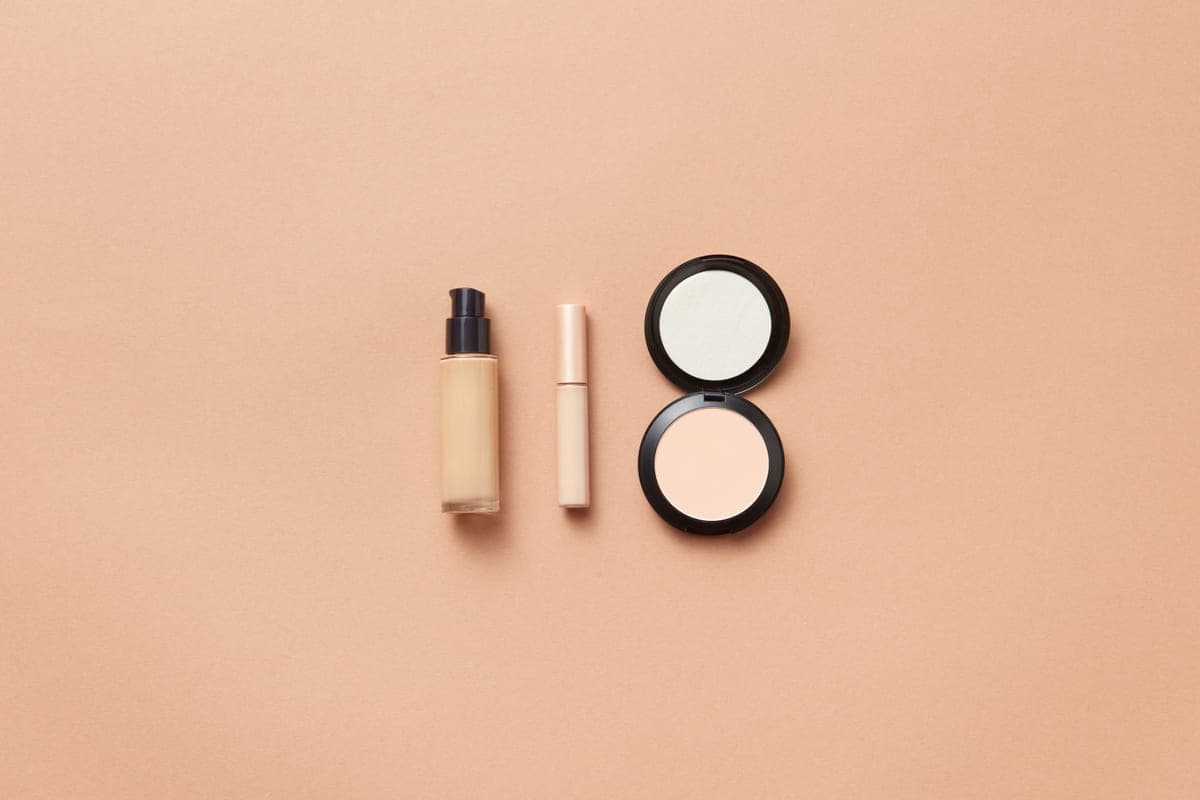
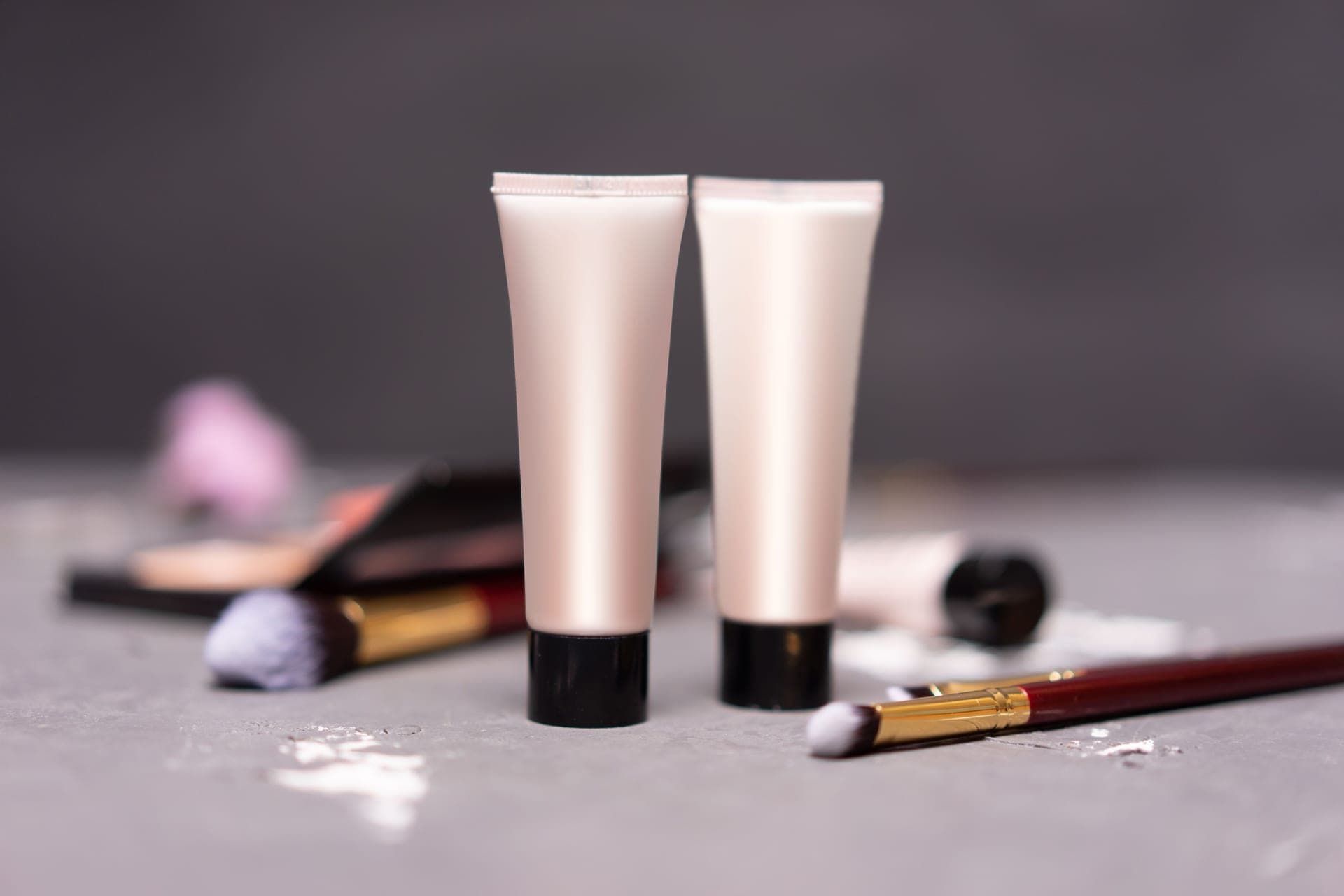
- Palettes. Cheapest way to learn which shade you need, because you get all of them. Cream formats blend best.
- Single sticks and tubes. Better once you know your shade; less waste and quicker to apply.
- Liquid correctors. Sheerest, and the safest under the eyes where thickness causes creasing.
- Primers with a tint. A whole-face wash of color for general redness or dullness, rather than spot correction.
- Color-correcting powders. Hard to control, and rarely worth it over a cream.
Correcting on Deeper Skin Tones
The advice that circulates about correctors was mostly written for fair skin, and applied unchanged to deeper skin it produces exactly the gray, ashy cast people are trying to avoid. The principle does not change — opposite colors cancel — but the strength of the corrector has to match the depth of the skin it is going on.
| Skin depth | For under-eye darkness | Why |
|---|---|---|
| Fair | Peach | Enough warmth to cancel blue without turning orange |
| Light to medium | Peach to salmon | The darkness is deeper, so the corrector must be warmer |
| Medium to tan | Orange | Blue-brown shadows need a true orange to neutralize |
| Deep | Deep orange to brick red | Anything lighter sits on top as a gray film |
The same logic applies to concealer over the top: it should match your skin, not be two shades lighter. The habit of brightening under the eyes with a pale concealer is what turns a well-corrected under-eye ashy by lunchtime, because the pale layer has nothing to do with the tone around it.
For persistent pigment rather than shadow, correcting is a daily workaround for something treatable. Our serum for hyperpigmentation roundup covers the topical side, and the AAD's guidance on fading dark spots in darker skin tones is the reference point for how long that takes.