The Short Answer
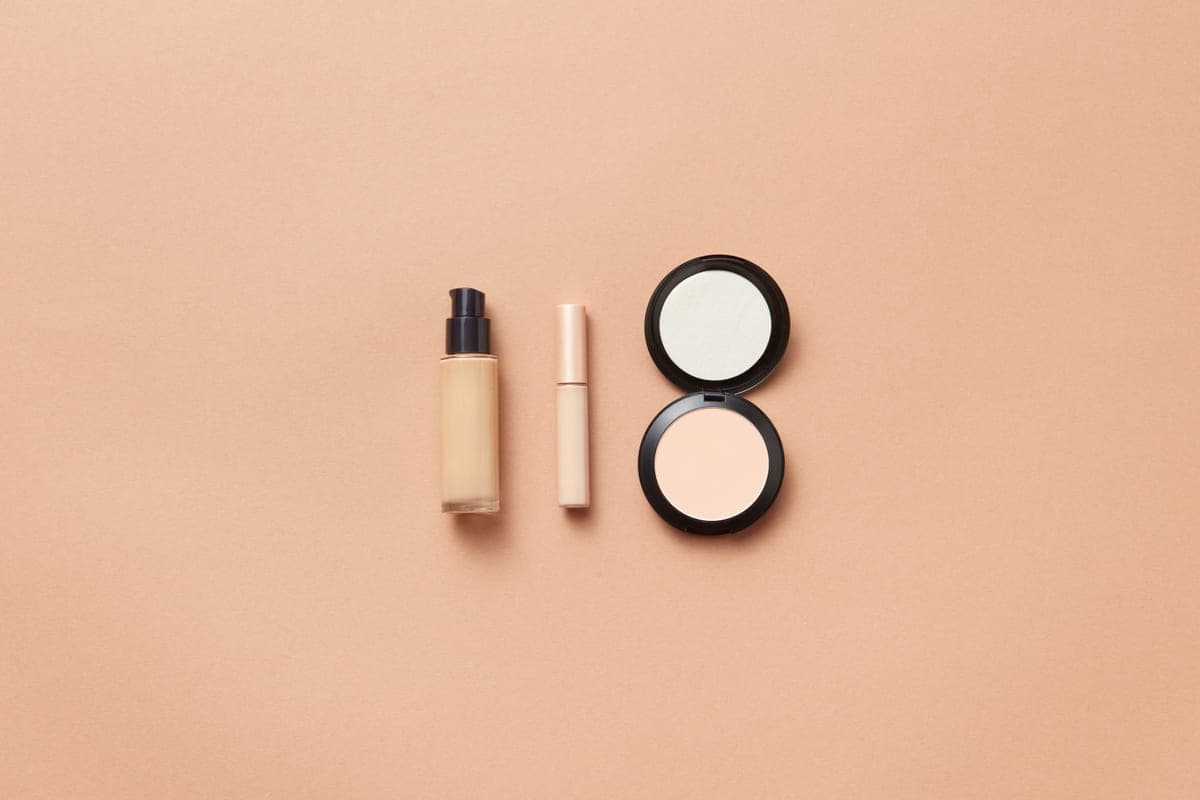
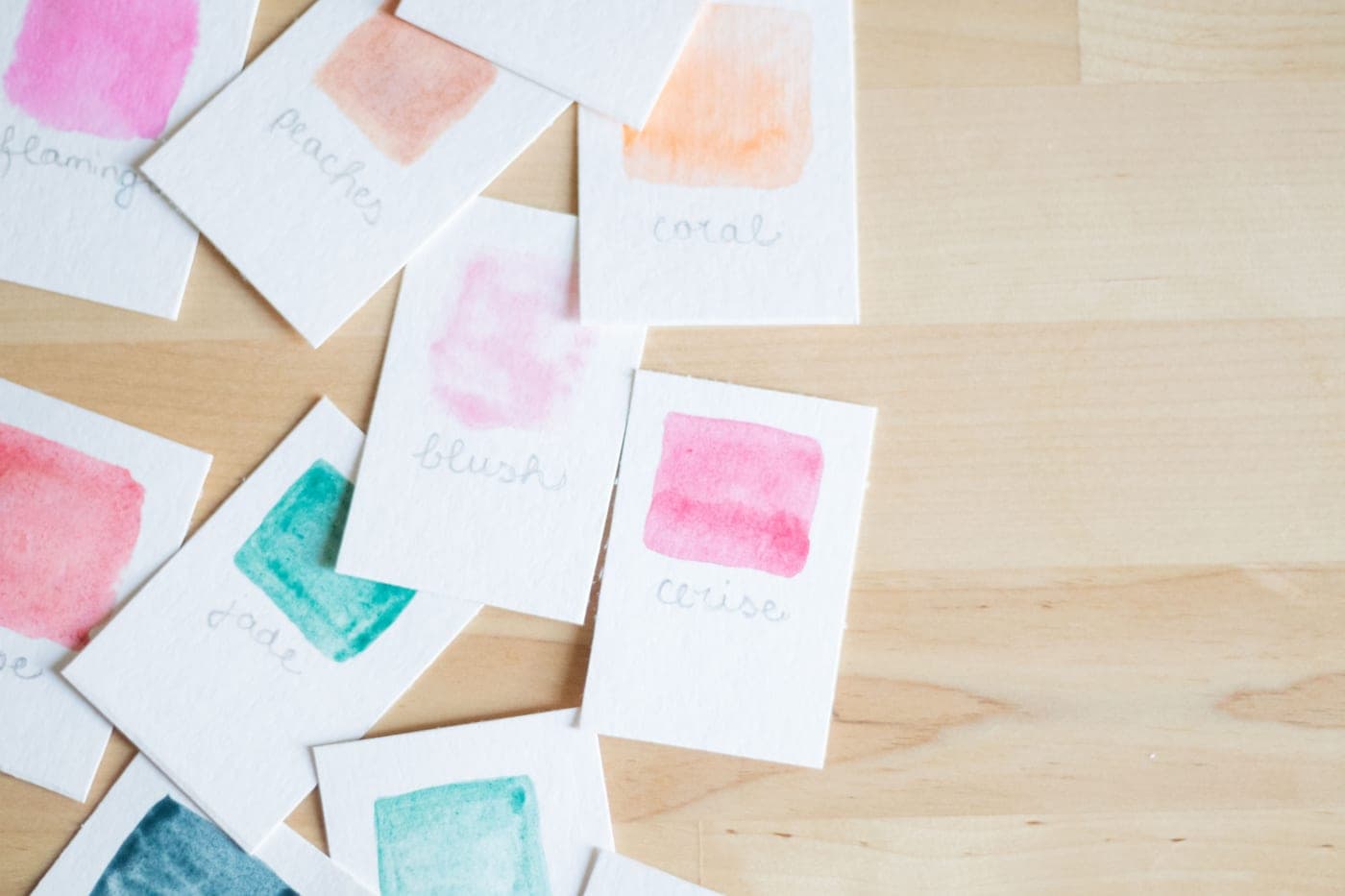
The two products work on different principles. Correcting is color theory: opposite colors on the wheel neutralize each other, so a sheer green layer makes redness read as neutral rather than hiding it. Concealing is opacity: pigment at your own skin tone laid over the top of whatever is underneath. One changes the color, the other covers it.
| Your problem | Start with | Why |
|---|---|---|
| Mild under-eye shadow | Concealer only | Most circles need coverage, not correction |
| Strongly blue or purple circles | Peach corrector, then concealer | The blue needs canceling first |
| Deep brown or gray circles | Orange or brick corrector, then concealer | Depth of skin decides corrector strength |
| Redness around the nose | Green corrector, thinly | Concealer alone goes chalky over red |
| A single red blemish | Green corrector on the spot | Precision beats coverage here |
| Overall dullness | Concealer, or a primer | Correcting a whole face rarely looks right |
| Blemish marks and pigment | Concealer | There is no color to cancel, only depth |
How They Actually Differ
| Color corrector | Concealer | |
|---|---|---|
| Principle | Cancels a color optically | Covers with matched pigment |
| Shade logic | Opposite of the discoloration | Matched to your skin |
| How much you apply | A thin layer you can see skin through | Enough to even the area |
| Used alone | Rarely — it needs something over it | Yes, most of the time |
| Risk of going wrong | Gray or ashy cast if too much | Too light reads as a bright patch |
| Sits where | Under the concealer | Over the corrector, under powder |
| Do you need it | Only for a genuine color problem | Almost always the more useful product |
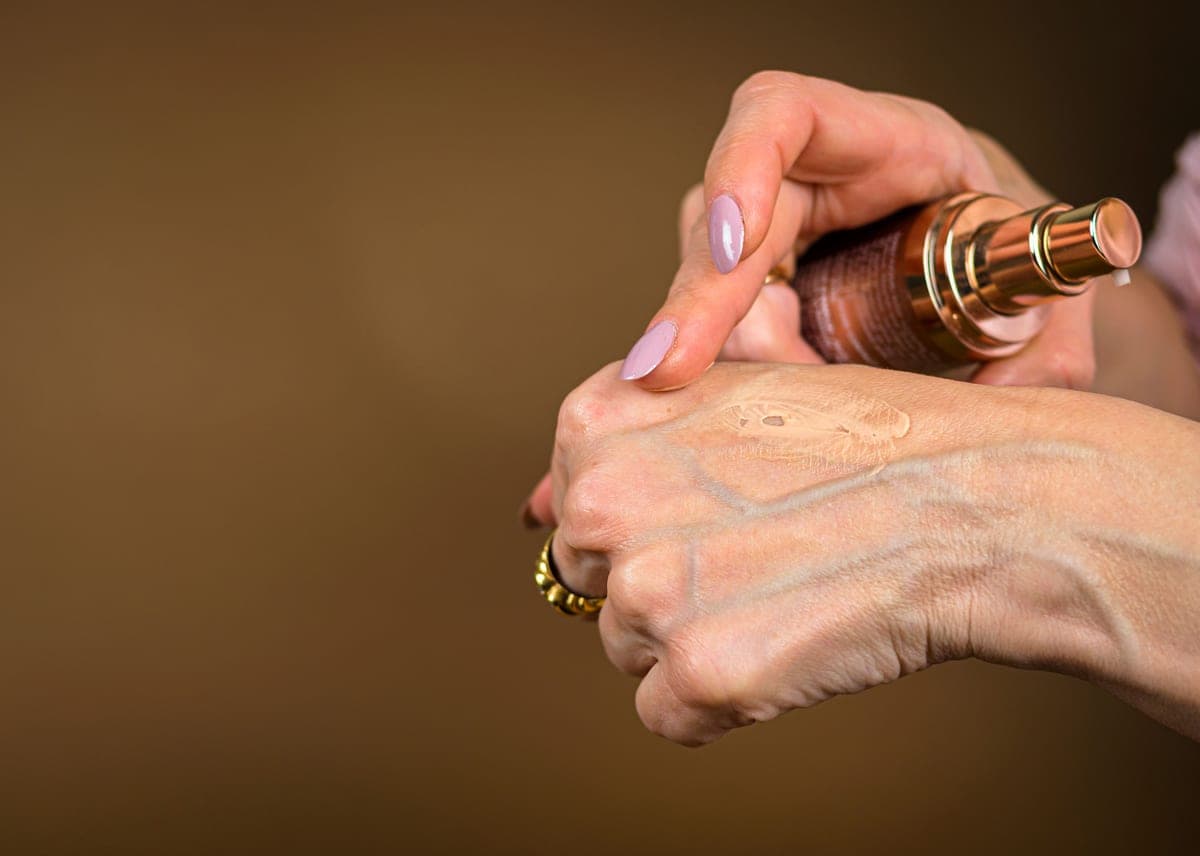
If you take one thing from this comparison: most people reaching for a corrector need a better concealer shade instead. The classic mistake is a concealer two shades lighter than the skin around it, which reads as a pale patch and then gets more product piled on to fix it. Match the depth, and most of the perceived need for correction disappears.
Who Each One Suits
- Concealer suits nearly everyone, and for most faces it is the only one of the two you need.
- Correctors suit specific, stubborn color problems: rosacea-level redness, strongly blue circles, individual inflamed spots.
- Mature skin should use less of both. Layers crease, and correcting adds a layer.
- Oily skin needs the thinnest possible correction, because two creams plus powder is what slides by midday.
- Anyone correcting daily should check the cause — persistent redness and pigment both have treatments, covered in our rosacea guide and serum for hyperpigmentation.
Using Them Together
- Moisturize and let it absorb. Both products cling to dry patches, and the under-eye is the driest part of most faces.
- Corrector first, only on the discolored area, in a layer thin enough to still see skin.
- Tap, do not drag. Dragging moves it off the spot you are treating.
- Wait ten seconds before judging whether you need more. Most people do not.
- Concealer over the top, matched to your skin, in the smallest amount that evens the area.
- Set lightly if at all. Powder over two cream layers is the usual cause of creasing.
A useful test: do the corrector step on one side of your face only and look at both in daylight. If you cannot see the difference through the concealer, you did not need the corrector — and that is the common outcome.