The Five Products
Almost every everyday makeup look is some combination of evening the skin, adding color back to it, and defining the eyes and brows. Five products cover that, and each one is doing a job you can see the point of.
| Product | What it does | Why it is first |
|---|---|---|
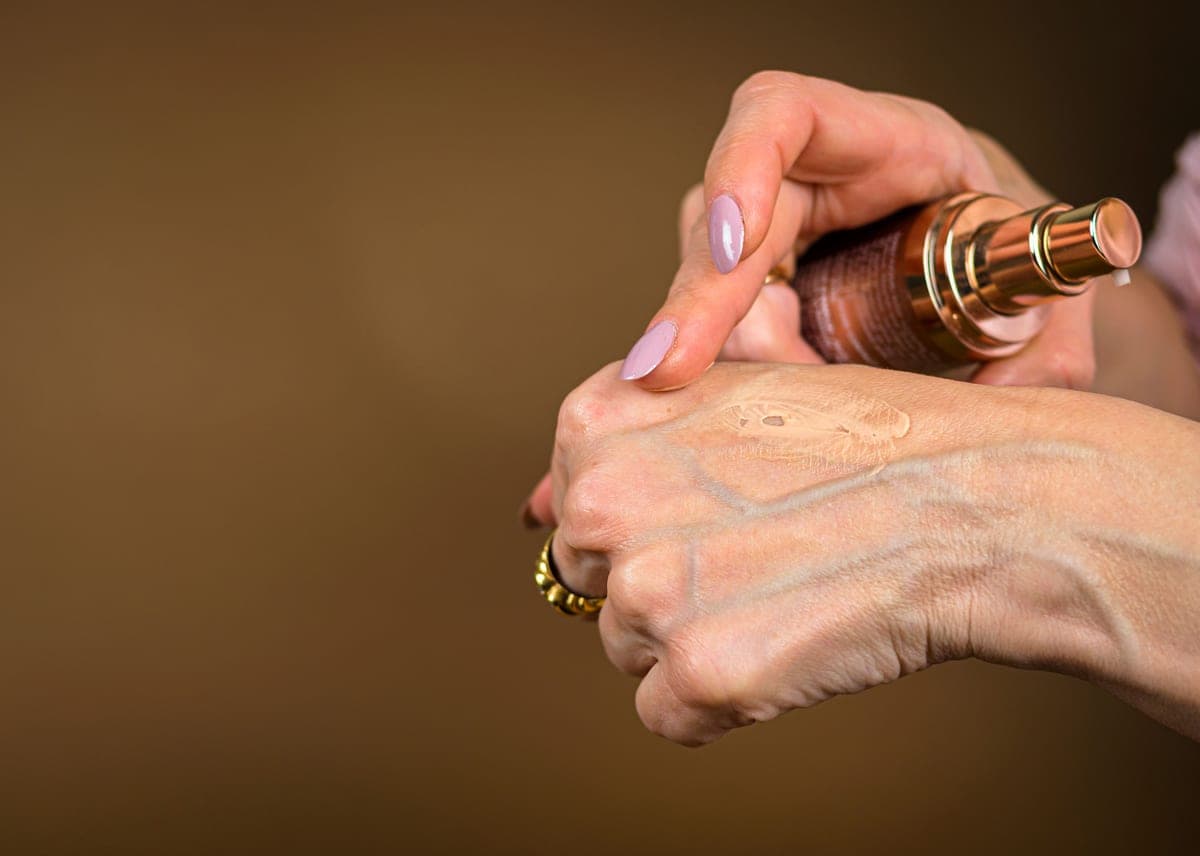
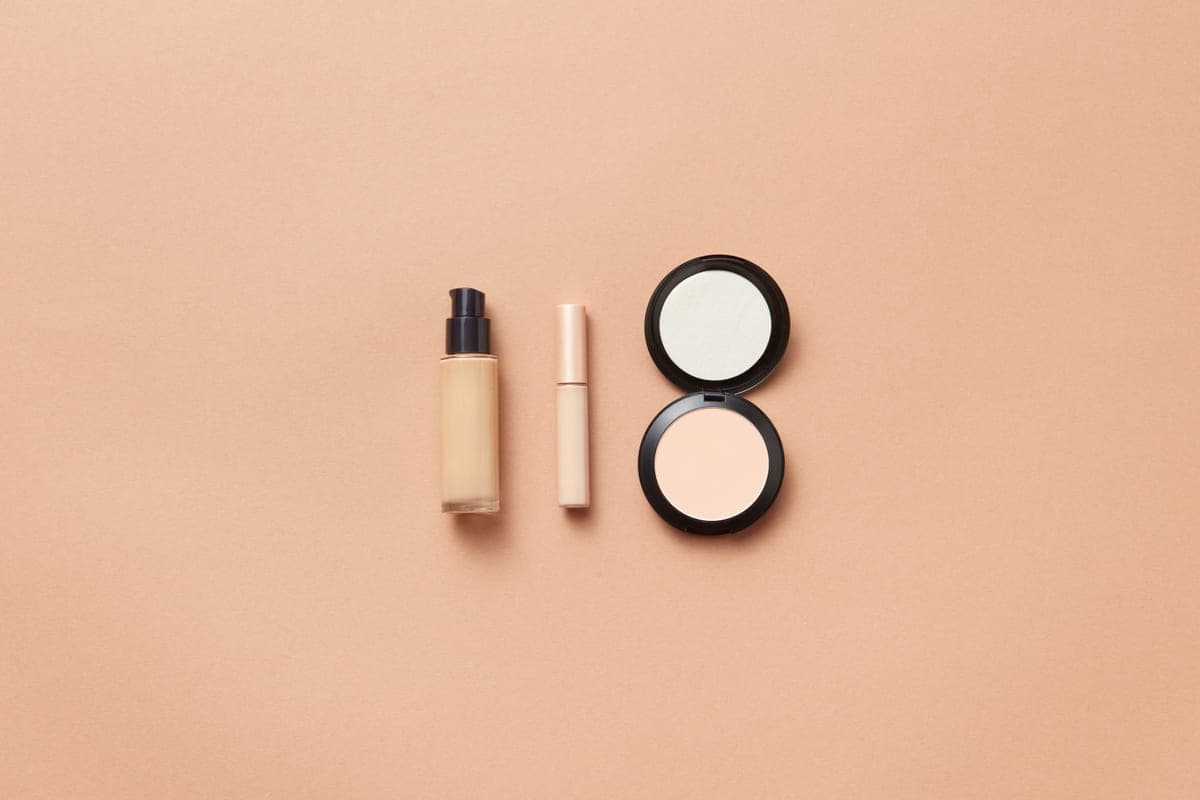
| Tinted moisturizer or BB cream | Evens tone, adds SPF | Sheer, forgiving, hard to over-apply |
| Concealer | Covers what the base did not | Targeted, so you need very little |
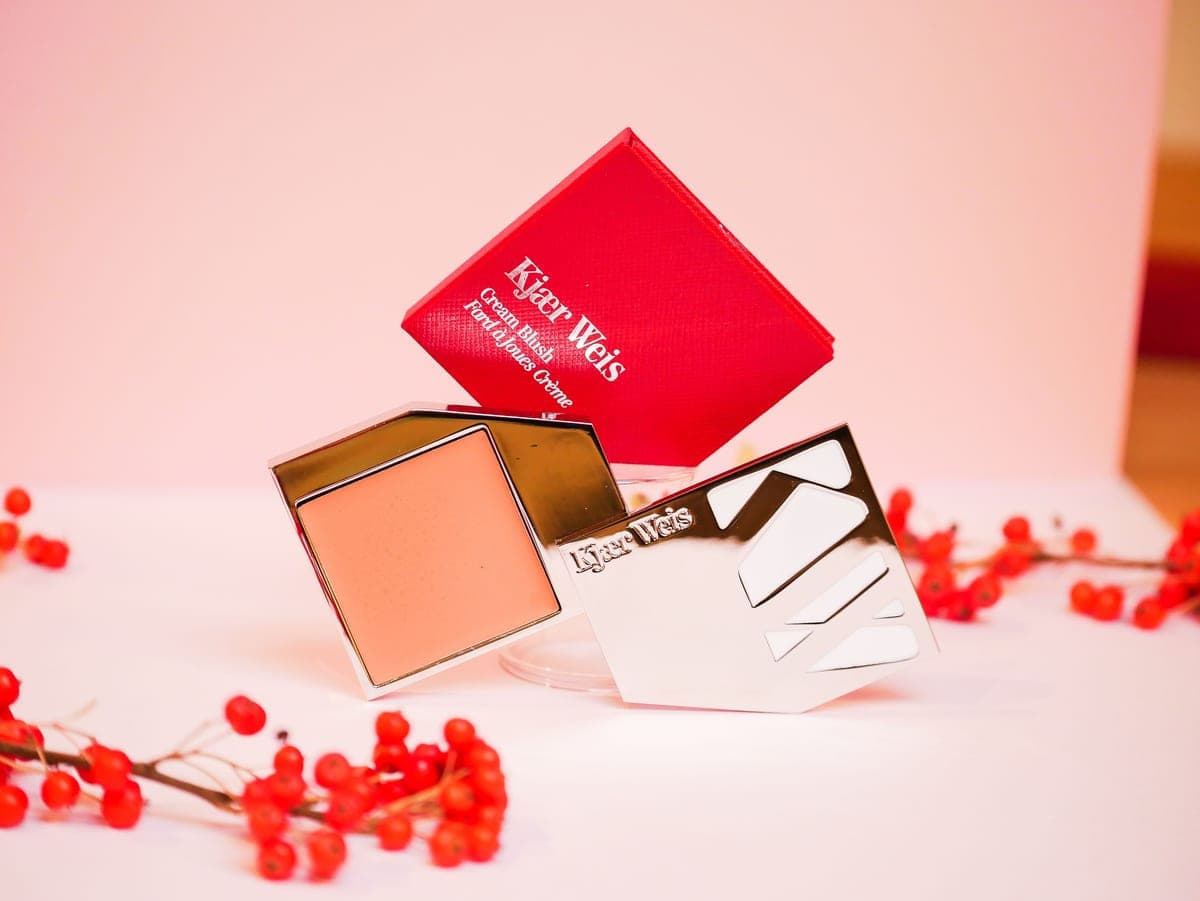
| Cream blush | Puts color back in the face | Blends with fingers; instantly looks healthier |
| Brow gel or pencil | Frames the whole face | The highest-impact minute you will spend |
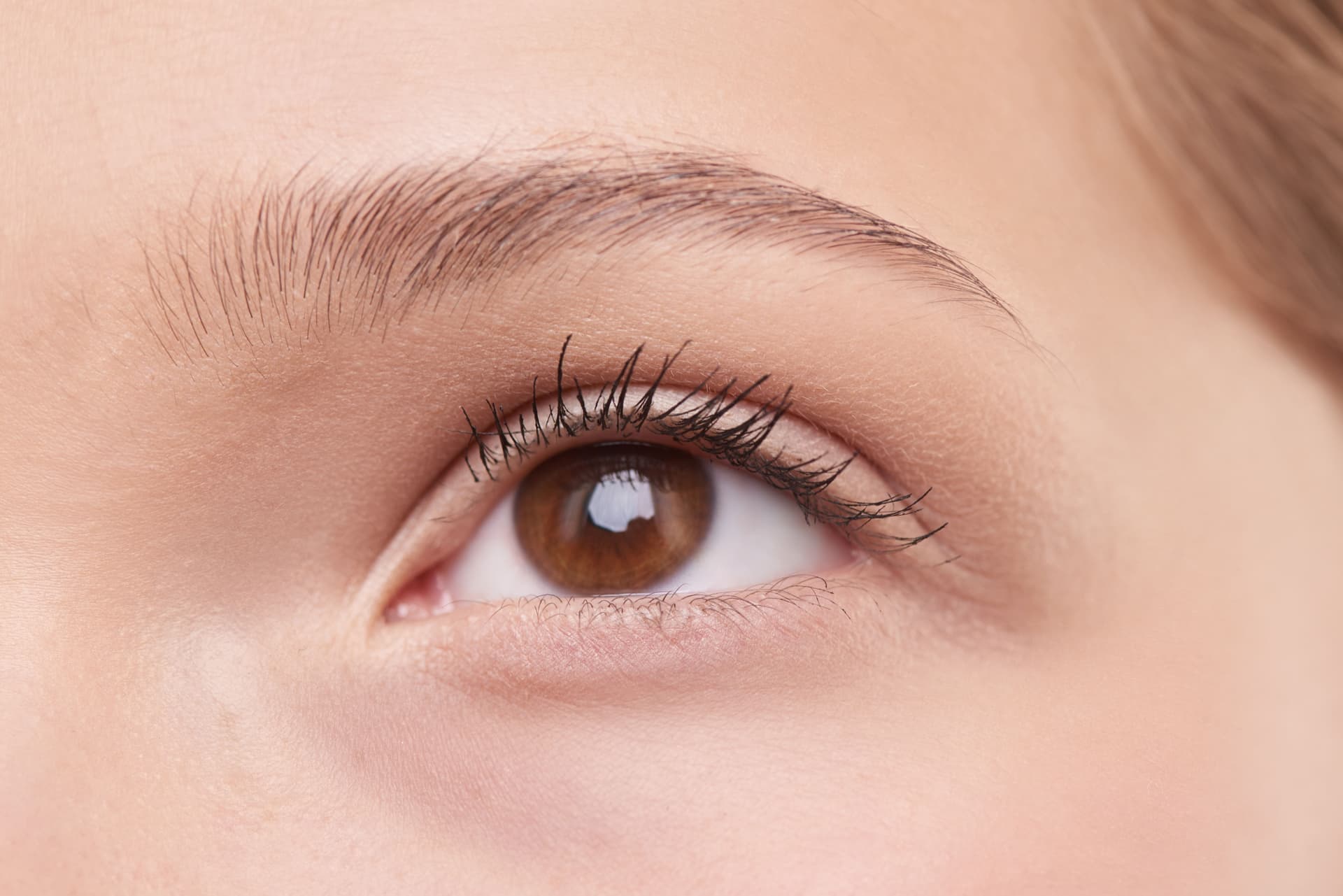
| Mascara | Defines eyes with no technique | Opens the eye without eyeshadow skill |
That is the whole list. If you buy those five and use them for a month, you will know far more about what you actually want than any amount of research beforehand can tell you.
What to Look For in Each
- Base: sheer and hydrating, with SPF if possible. Full coverage is the hardest thing to apply well.
- Concealer: creamy, one shade range from your base, not two shades lighter.
- Blush: cream or stick, which blends with fingers and cannot go powdery and patchy.
- Brows: a tinted gel if your brows have hair, a fine pencil if they have gaps.
- Mascara: black, lengthening, not waterproof at first — waterproof is harder to remove without pulling lashes.
- Skip for now: primer, setting powder, contour, highlighter, false lashes, eyeshadow palettes.
- Moisturize and let it absorb. Makeup over tacky skin slides and separates.
- Base with fingers, a small amount pressed outward from the center of the face.
- Concealer only where you still see something, tapped not dragged.
- Cream blush on the cheeks, a dot patted with a fingertip and blended upward.
- Brows: brush upward, fill sparse spots, brush through again.
- Mascara last: one coat, wiggling at the base of the lashes.
What to Skip at the Start
- Primer. It solves a problem you have not met yet. Add it if your base slides, not before.
- Setting powder. Easy to over-apply, and the usual cause of a cakey look — see setting spray vs setting powder.
- Contour and bronzer kits. Placement is the hardest skill in makeup and the least forgiving.
- Eyeshadow palettes. Twelve shades you will not use and one you will.
- False lashes. A separate craft entirely.
- Full-coverage foundation. Harder to blend, harder to match, and rarely what a beginner wants once they try it.
None of these is bad. They are just the second bag, bought once you know what the first one does not do for you. Buying them at the start is how people end up with a drawer of products and no routine.
Tools and Taking It Off
You need fewer tools than the internet suggests. Fingers are genuinely good at cream products, because they warm the formula and press it into skin.
- Fingers for base and cream blush. Free, and better than a cheap brush.
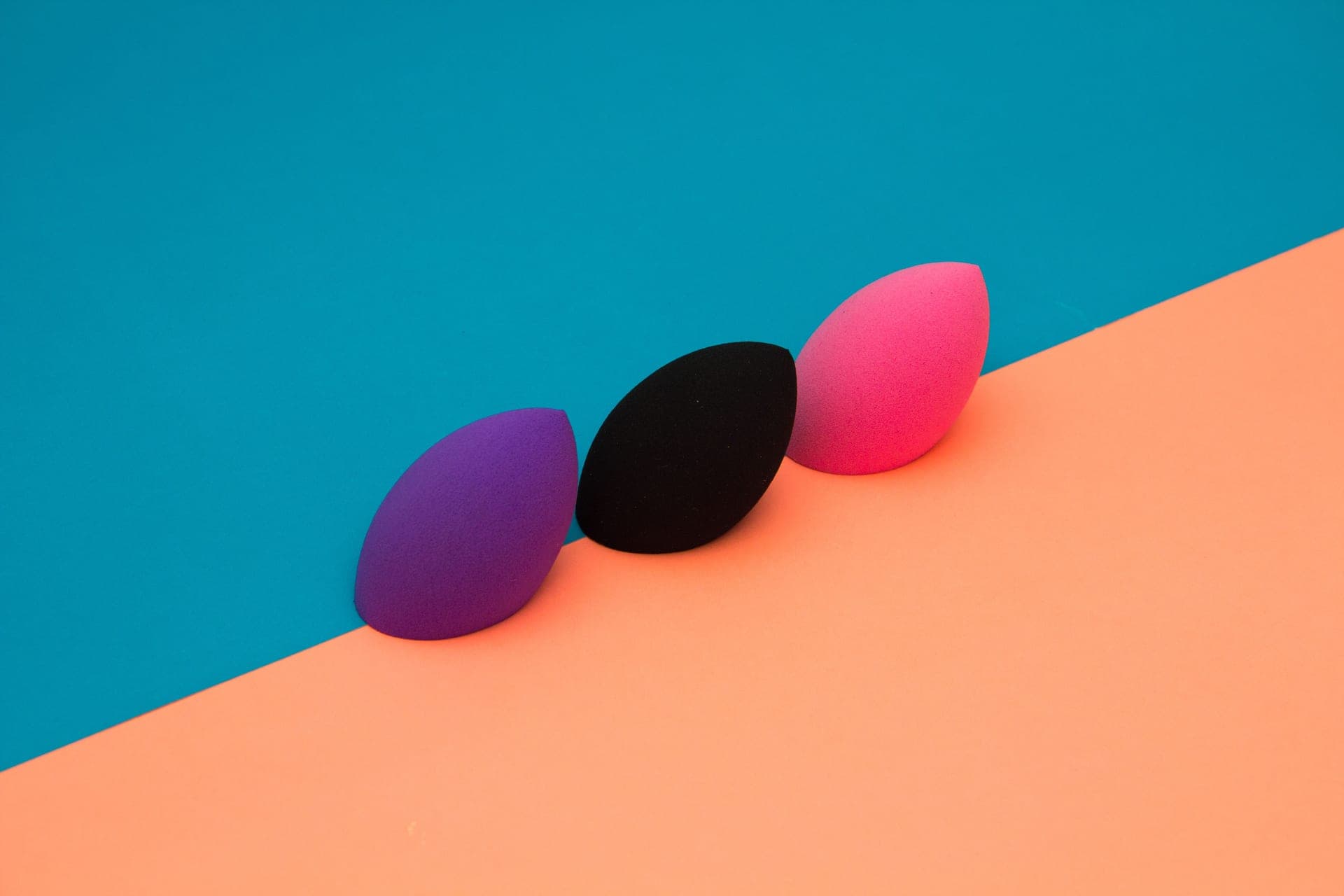
- One damp sponge if you want a sheerer base — see best makeup sponges.
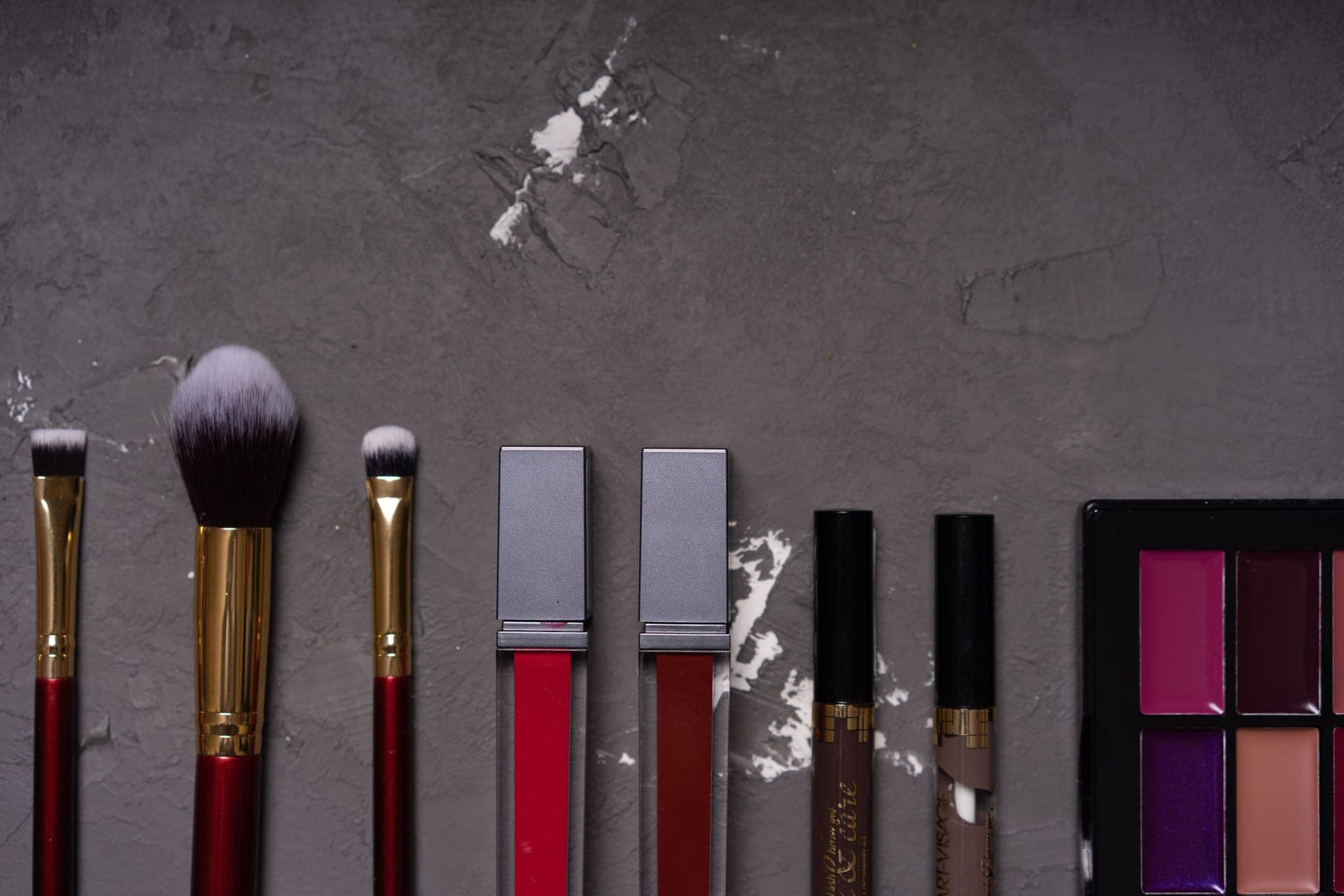
- A small brush for concealer, if you find fingers imprecise around the eyes.
- A spoolie for brows, usually built into the product.
- Wash tools weekly. Bacteria on a sponge is a real cause of breakouts.
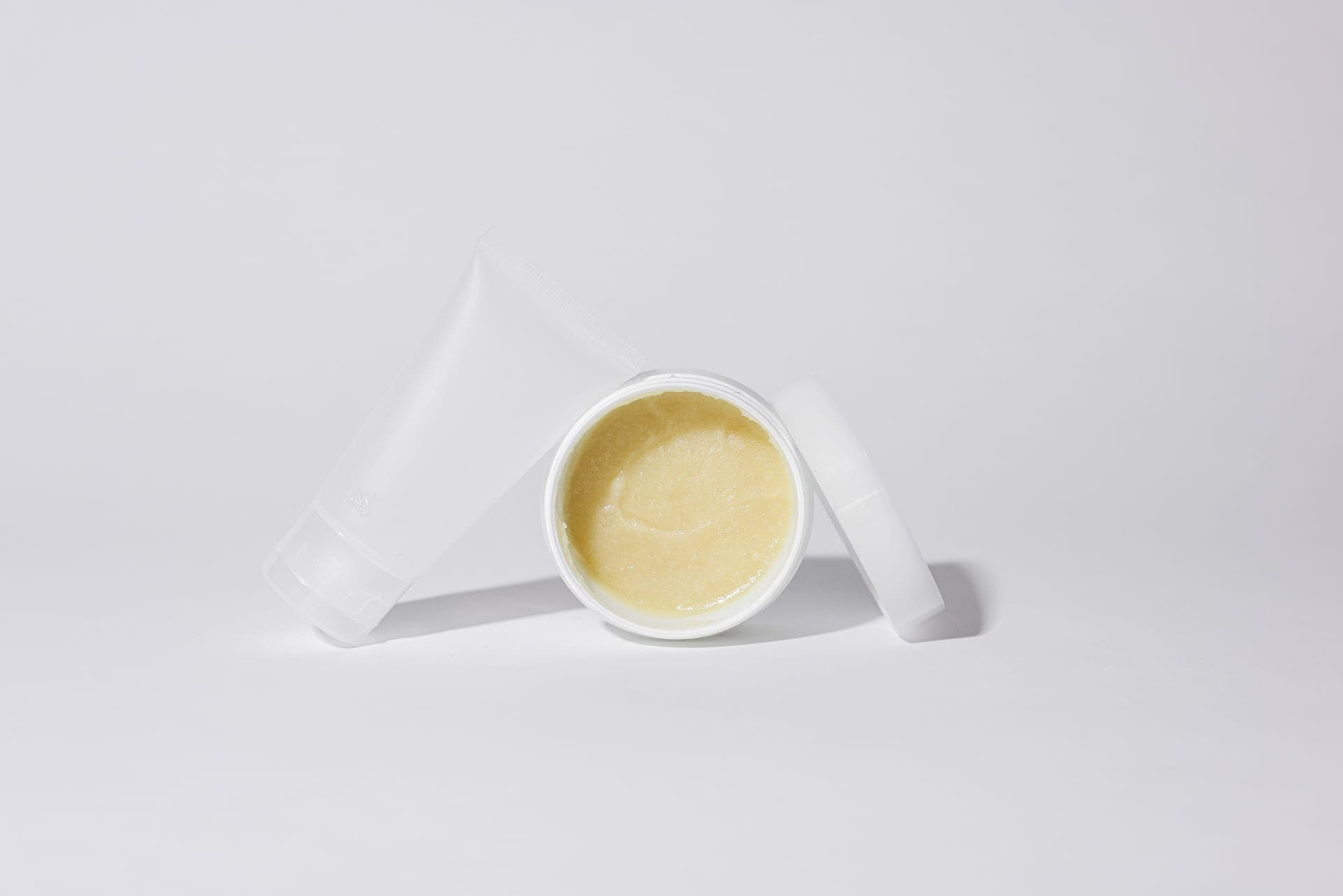
Removal matters as much as application. Makeup left on overnight, especially mascara, is how lash lines get irritated and pores get congested. A cleansing balm or micellar water and then your normal cleanser is the whole routine — the difference between the two is covered in micellar water vs cleansing balm.