The Short Answer
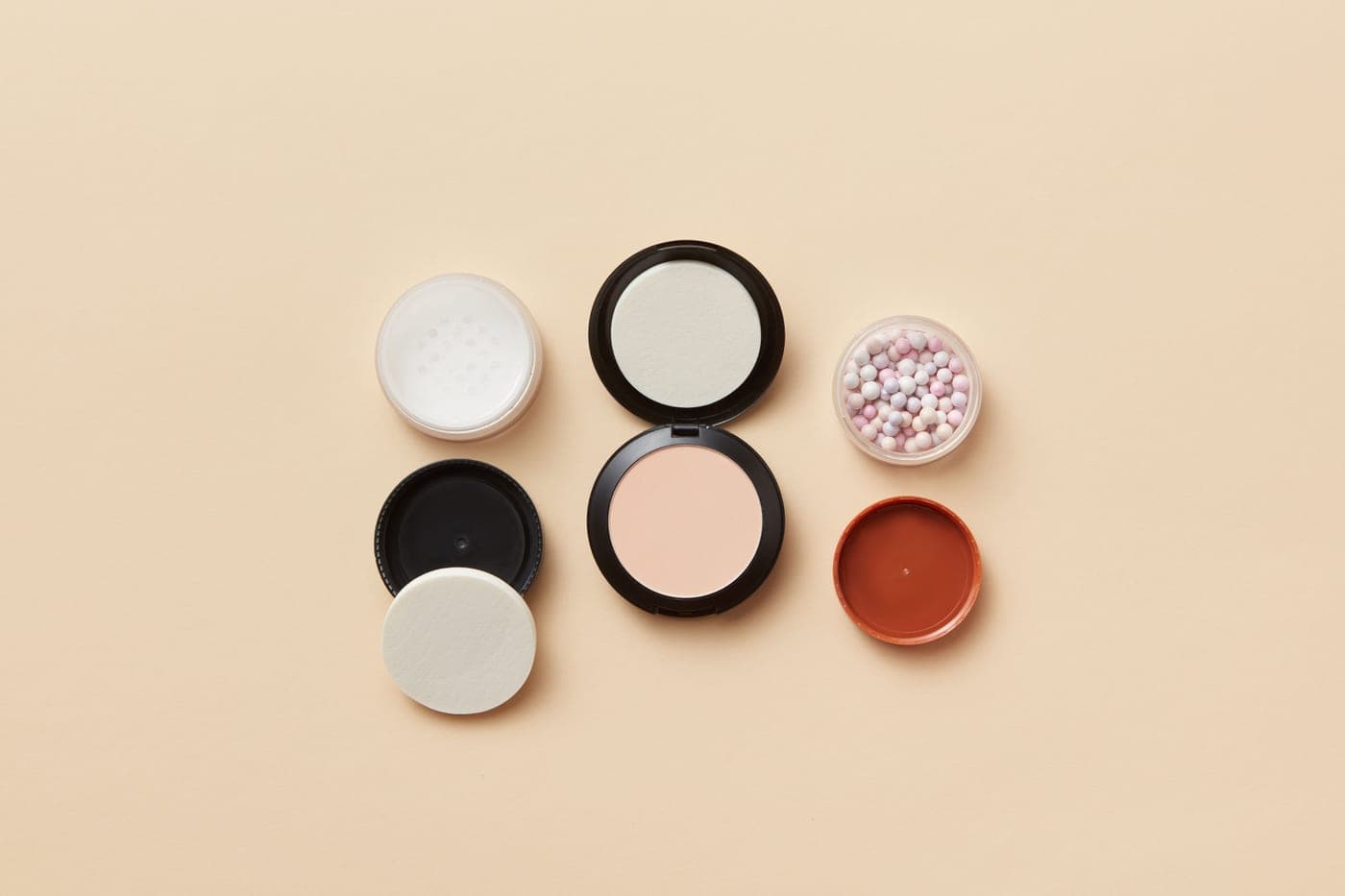
These products fail at different things, which is why choosing between them is really a diagnosis. Powder is an absorbent — usually silica, starch or talc — that soaks up the sebum that would otherwise break up your base. Spray is a film-former in a volatile solvent: it dries into a thin flexible layer over everything and holds it there.
| What goes wrong by 3pm | Use | Why |
|---|---|---|
| Shine on forehead and nose | Powder | Absorbs the oil causing it |
| Foundation sliding into creases | Powder, then spray | Absorb first, then lock |
| Makeup looks dry and powdery | Spray | Melts layers into skin, removes the flatness |
| Base fading or patching | Spray | Film-former keeps pigment in place |
| Concealer creasing under eyes | A light dusting of powder | Too much powder causes the creasing instead |
| Makeup transferring onto collars | Spray | Transfer resistance is what the film does |
| Very dry or mature skin | Spray only | Powder emphasizes lines and texture |
How They Actually Differ
| Setting powder | Setting spray | |
|---|---|---|
| Mechanism | Absorbs oil | Forms a flexible film |
| Controls shine | Yes, directly | Only if labeled matte |
| Stops transfer | Partly | Yes |
| Finish | Matte to soft-focus | Natural, sometimes dewy |
| Best on | Oily and combination skin | Dry, normal and mature skin |
| Risk | Cakey look, emphasized texture | Wet patches if over-sprayed |
| Reapplication during the day | Easy, over the top | Possible but awkward over makeup |
Note the one thing neither does: neither makes a bad base match look better. Setting products preserve what is underneath, so the flaws they lock in are the ones already there. If your foundation looks wrong at 9am, no spray will improve it by noon — see best powder foundations and best tinted moisturizers for fixing the base itself.
Who Each One Suits
- Powder suits oily and combination skin, humid climates, and anyone whose base breaks up around the nose by lunchtime.
- Spray suits dry, normal and mature skin, long events, and anyone whose makeup looks flat or dusty in photographs.
- Combination skin usually wants both: powder on the T-zone only, spray over everything.
- Mature skin should be cautious with powder anywhere there is texture; a spray-only routine looks younger.
- Photography and flash favor spray, because untinted powder can flash back white.
Using Both, in Order
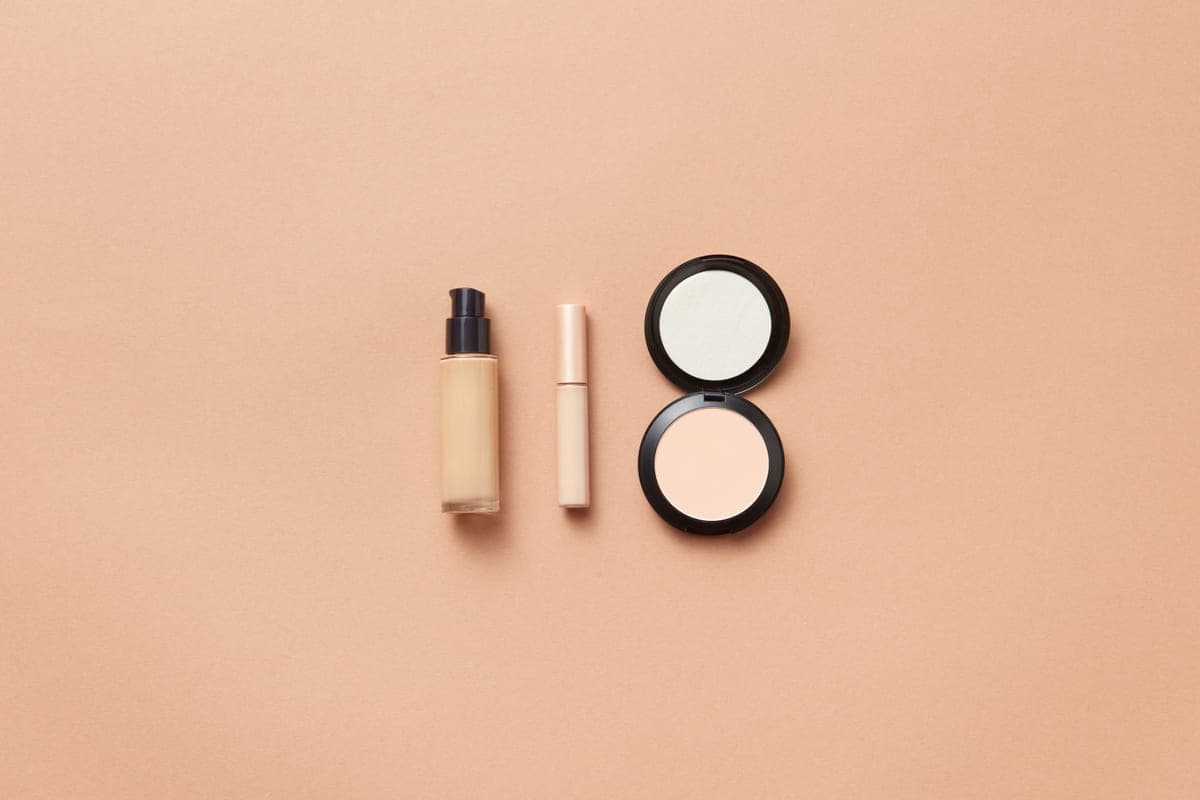
- Base and concealer first, blended and given a moment to settle.
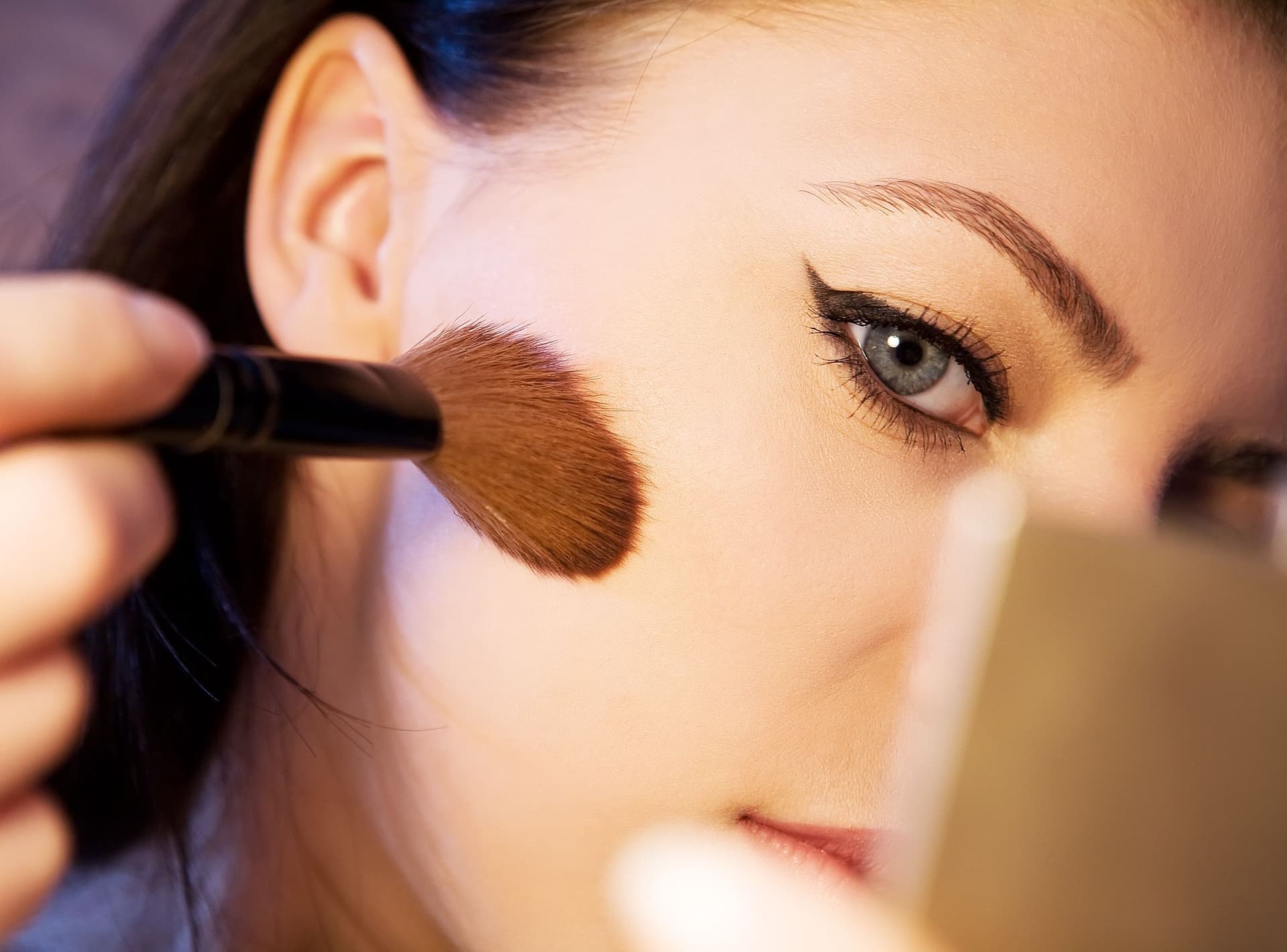
- Powder second, only where you need it. T-zone, under the eyes lightly, nowhere else for most people.
- Cream products before powder, always — cream blush over powder drags and goes patchy.
- Powder blush and bronzer after the setting powder.
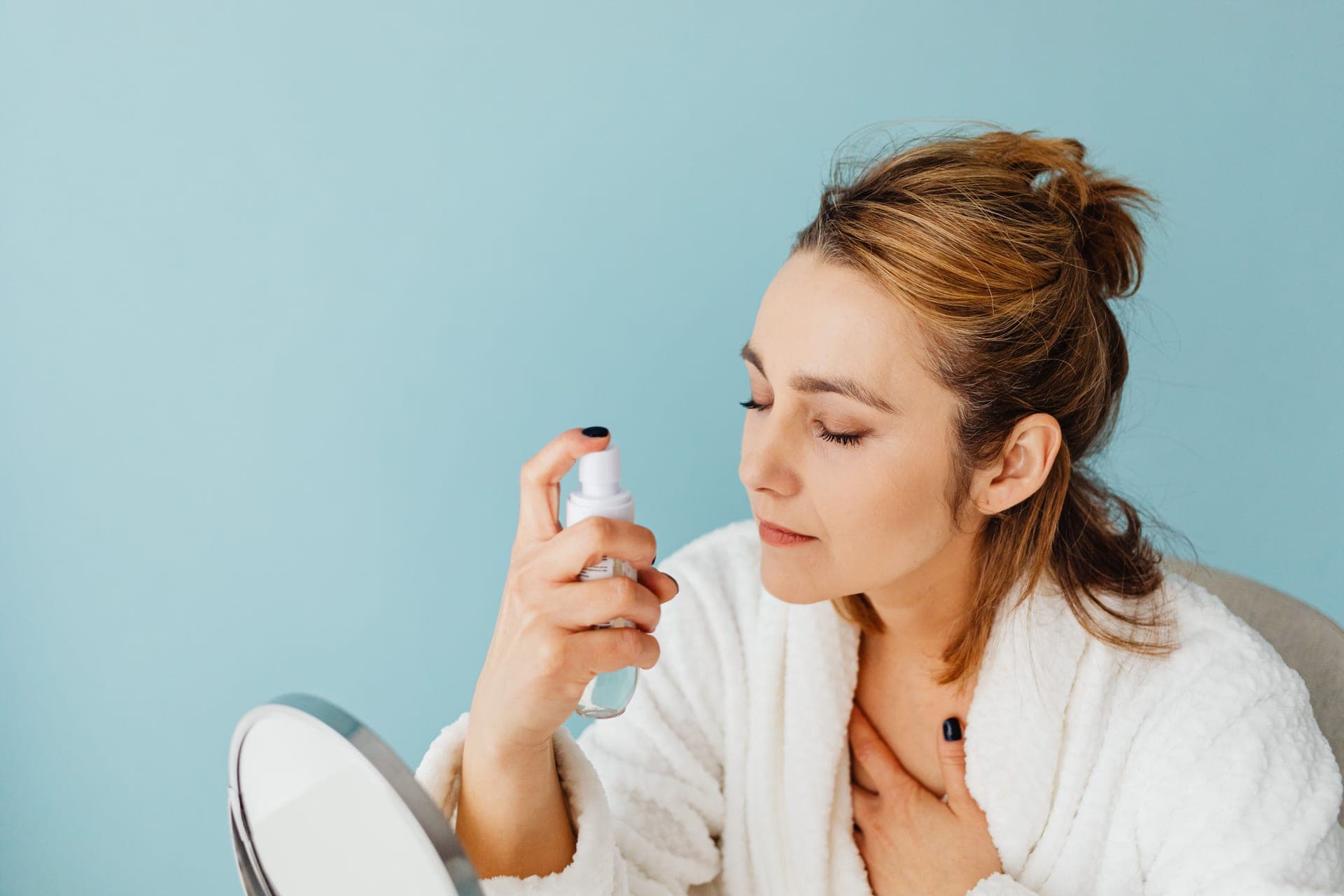
- Spray last, held at arm's length, a few light passes rather than one soaking.
- Let it dry without touching your face. Pressing a wet film is how makeup ends up patchy.
The one order mistake worth naming: spraying first and powdering over the top. The film sets, the powder sits on it rather than absorbing anything, and the finish looks chalky. Powder absorbs, then the spray seals — that sequence is not interchangeable.