The Short Answer
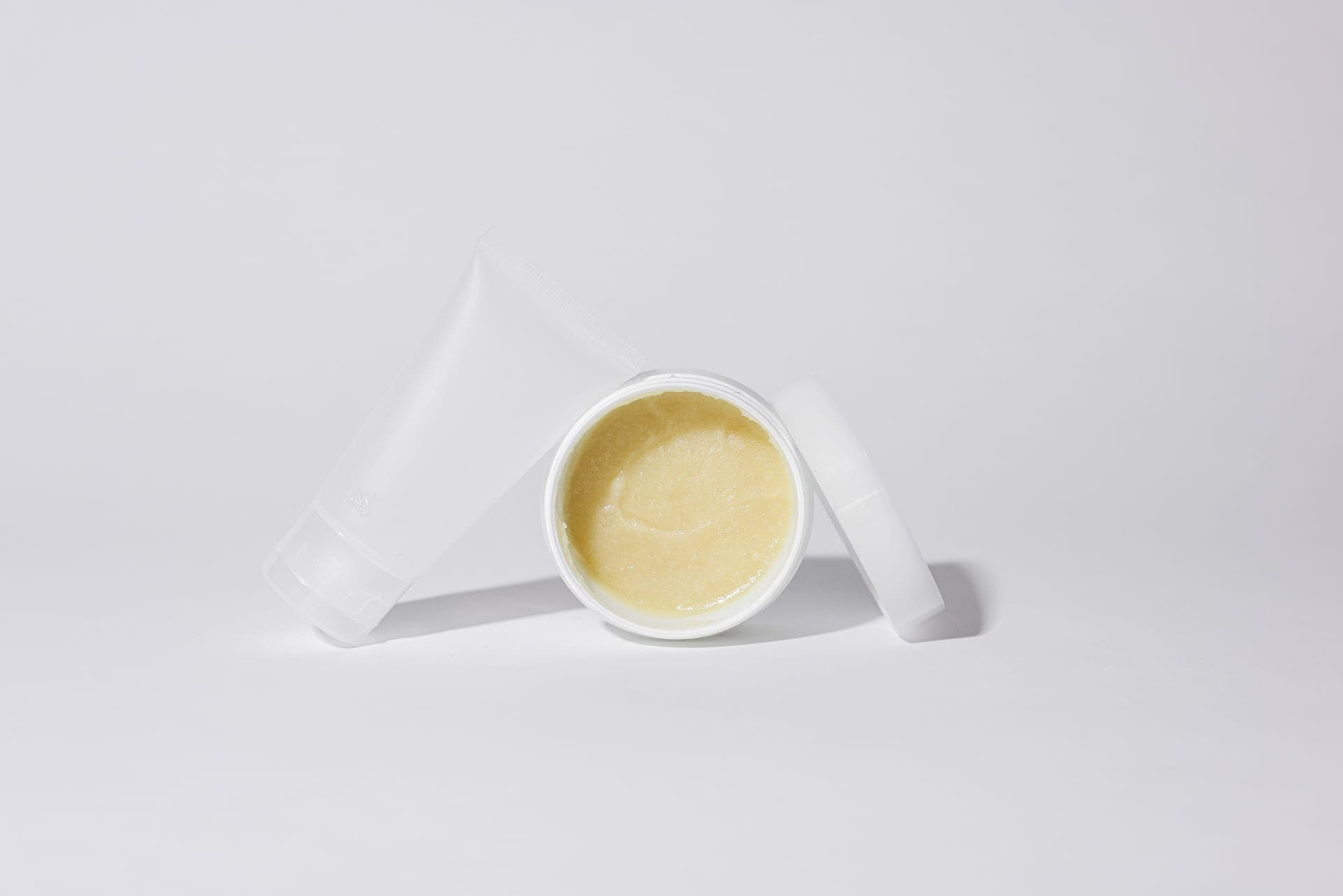
Micellar water is a mild surfactant solution: tiny micelles with a water-loving outside and an oil-loving inside, which grab light oil and dirt when you wipe. A cleansing balm is an anhydrous blend of oils, esters and waxes that melts on contact and dissolves oil-based products by like-dissolves-like. Both remove makeup. Only one reliably removes sunscreen.
| What you are removing | Better choice | Why |
|---|---|---|
| Light makeup, no sunscreen | Micellar water | Enough for the job, no rinsing needed |
| Daily mineral or chemical sunscreen | Cleansing balm | Sunscreen films are built to resist water |
| Waterproof mascara | Cleansing balm | Oil dissolves the wax and polymer film |
| Long-wear or transfer-proof foundation | Cleansing balm | Designed to survive surfactants |
| A tired night with nothing on your face | Micellar water | Better than skipping cleansing entirely |
| Travel and no sink access | Micellar water | No rinse, no spill risk from a jar |
| Eye area, sensitive | Either, gently | Both exist in formulas made for eyes |
How They Actually Differ
| Micellar water | Cleansing balm | |
|---|---|---|
| Base | Water with mild surfactants | Oils, esters and waxes, no water |
| Needs rinsing | Not strictly | Yes, or a second cleanse |
| Removes sunscreen | Incompletely | Yes |
| Needs cotton pads | Yes, usually | No — fingers and a cloth |
| Friction on skin | Some, from wiping | Minimal |
| Travel-friendly | Yes, though liquids count against a carry-on | Yes, solid balms do not count as a liquid |
| Typical complaint | Leaves a film; not enough alone | Feels greasy until rinsed |
The friction point is underrated. Removing eye makeup with a cotton pad means dragging the thinnest skin on the face, repeatedly, every night. A balm melted with fingertips and rinsed does the same job with far less pulling, which matters if you are already worried about the eye area — see best eye cream for wrinkles.
Who Each One Suits
- Micellar water suits light-makeup days, travel, gym bags, sensitive eyes and anyone who needs a low-effort option that beats going to bed uncleansed.
- A cleansing balm suits anyone wearing daily sunscreen, long-wear complexion products or waterproof eye makeup.
- Dry skin usually prefers the balm, which leaves the surface softer than repeated wiping does.
- Oily and congestion-prone skin often fears balms unnecessarily: the problem is not rinsing thoroughly, not the oil itself.
- Most people should own both, and use the balm on the nights that matter.
How to Use Each Properly
- Balm on dry skin, dry hands. Water on your fingers first turns it into an emulsion before it reaches the makeup.
- Massage for thirty seconds, including the hairline and jaw where sunscreen collects.
- Add water and keep going until it turns milky, then rinse or wipe with a damp cloth.
- Follow with your normal cleanser if you wore sunscreen or full makeup. This is the second cleanse, and it is the step that prevents congestion.
- With micellar water, saturate the pad properly. A dry pad is friction with no benefit.
- Hold the pad still for a few seconds over eye makeup rather than scrubbing at it.
One practical note on micellar water: whether you need to rinse depends on the formula. Some are designed as no-rinse, others leave a surfactant film that can feel tacky or sting the eyes by morning. If yours leaves skin feeling coated, rinse it.