What Glycolic Acid Actually Does
Glycolic acid breaks the ionic bonds holding dead corneocytes to the surface of the skin, so they shed sooner than they otherwise would. The immediate effect is smoother texture and more light reflection, which reads as brightness.
Over longer use there is a second, better-documented effect: consistent AHA use is associated with increased dermal glycosaminoglycan and collagen content. That is the basis for its inclusion in anti-aging routines, and it is a slower and more modest effect than a retinoid produces.
It is water-soluble, so unlike salicylic acid it does not get inside an oily pore. Buying glycolic acid for blackheads is buying the wrong acid.
Strength Bands, and Why pH Matters More
| Band | Typical format | What to expect |
|---|---|---|
| 3% to 5% | Daily toners, cleansers | Gentle maintenance. Suitable most nights. |
| 7% to 8% | Leave-on toning solutions | The common working strength. Two or three nights a week. |
| 10% | Leave-on serums and weekly treatments | Strong for home use. Once or twice weekly for most people. |
| Above 10% | Peels, professional treatments | Short contact time, usually rinsed. Not a leave-on product. |
The percentage is only half the picture. Free acid value — how much of the acid is unbuffered and active at the product's pH — is what actually determines potency, and a 10% product at pH 4.5 can be gentler than a 7% product at pH 3.4. Almost no brand publishes free acid value, and the ones that publish pH are already ahead of the field.
Forms: Toner, Serum, Pad and Peel
- Toning solution. The most common leave-on format, usually 5% to 8%. The everyday version of this ingredient.
- Pads. Convenient and hard to dose. It is very easy to over-apply with a soaked pad.
- Serum. Often combined with humectants to offset dryness.
- At-home peel. Higher percentage, short contact, rinsed off. Weekly at most.
- Cleanser. Very low effective dose because of rinse-off. Fine as maintenance, useless as treatment.
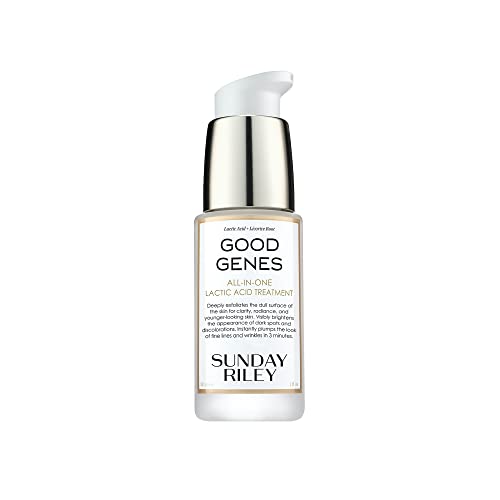
- Lactic acid is the usual gentler substitute — a larger AHA molecule that penetrates less and hydrates more. Better for dry and sensitive skin.
How to Use Glycolic Acid
- Use it at night, on clean dry skin, before other leave-on products.
- Start once or twice a week. Increasing frequency slowly is the whole discipline of AHA use.
- Never combine it with a retinoid on the same night while adjusting, and never immediately after physical scrubbing.
- Follow with a moisturizer, and add ceramides if your skin feels tight.
- Wear sunscreen daily. AHA use increases UV sensitivity measurably, and unprotected exfoliated skin pigments more, not less.
- Stop entirely for a week at the first sign of shine, tightness or stinging on water.
- Do not use it on broken skin, on the same day as waxing, or immediately after shaving.
Who It Suits, and Who Should Avoid It
Glycolic acid suits normal to oily skin with dullness, rough texture, sun-damaged tone or flat post-inflammatory marks. It is the classic answer to skin that looks tired rather than skin that is breaking out.
- Dry, sensitive or rosacea-prone skin should use lactic or mandelic acid instead, or skip AHAs entirely.
- Deeper skin tones should be cautious with aggressive exfoliation: irritation itself can trigger post-inflammatory hyperpigmentation, so the treatment can create the problem it is meant to fix. Lower percentages, less often.
- If you are already using a retinoid four or more nights a week, adding a weekly AHA is usually all the extra exfoliation you need.
- Do not use it during active barrier damage. Repair first, exfoliate later.
Pairings and Conflicts
| Combination | Verdict |
|---|---|
| AHA + moisturizer | Required. The dryness is a cost, not a benefit. |
| AHA + niacinamide | Fine. Acid first. |
| AHA + retinoid | Alternate nights. Both accelerate turnover. |
| AHA + BHA | Redundant for most people. Pick the one that matches your concern. |
| AHA + vitamin C | A lot of low pH at once. Split by time of day. |
| AHA + physical scrub | No. This is the fastest route to a damaged barrier. |
Beyond the Face: Body, Elbows and Keratosis Pilaris
Glycolic and lactic acid body lotions are one of the few genuinely effective answers to keratosis pilaris — the rough bumps on upper arms and thighs — and to persistently rough elbows, knees and heels. Body skin tolerates higher percentages than the face, and 10% to 12% body lotions are common.
The neck and chest are the exception again: thin, sun-exposed and easily over-treated. Use your facial strength there, not your body strength, and extend sunscreen to cover it.
Where to Start
One everyday toning strength and one gentler alternative for skin that reacts.