What Squalane Actually Does
Human sebum contains squalene, an unsaturated hydrocarbon that helps keep the surface of the skin soft and reduces water loss. Squalene is also chemically unstable — it oxidizes readily, and oxidized squalene on skin is associated with inflammation and comedone formation.
Squalane is squalene with the double bonds hydrogenated out. That single change makes it stable for years, odorless, colorless and effectively non-reactive, while keeping the skin-feel and occlusive behavior of the original. It is one of the cleanest examples in cosmetic chemistry of solving a real problem with a small modification.
As an ingredient it is an emollient and a light occlusive. It fills the gaps between surface cells so skin feels smooth, and it slows water loss modestly. It is not a humectant like hyaluronic acid and not a barrier lipid like a ceramide. Those are three different jobs, and a complete moisturizer usually does all three.
Sources: Olive, Sugarcane, Amaranth and Shark
The molecule is the same regardless of source. The differences are in purity, sustainability and price.
| Source | Notes |
|---|---|
| Sugarcane (fermentation) | The current industry standard for cosmetic squalane. High purity, consistent, plant-derived and traceable. |
| Olive | The traditional plant source. Purity varies between suppliers, and olive-derived squalane sometimes carries a faint scent. |
| Amaranth | A niche source, small volume, higher cost. |
| Shark liver | The historic source, and the reason the ingredient has a sustainability discussion attached. Cosmetic use has largely moved away from it, but it has not vanished from every supply chain. |
If the source matters to you, look for the word plant-derived or a named source on the label. Brands that use sugarcane squalane almost always say so, because it is a selling point. Silence on the question is not proof of anything, but it is a reason to ask.
Forms and Concentrations
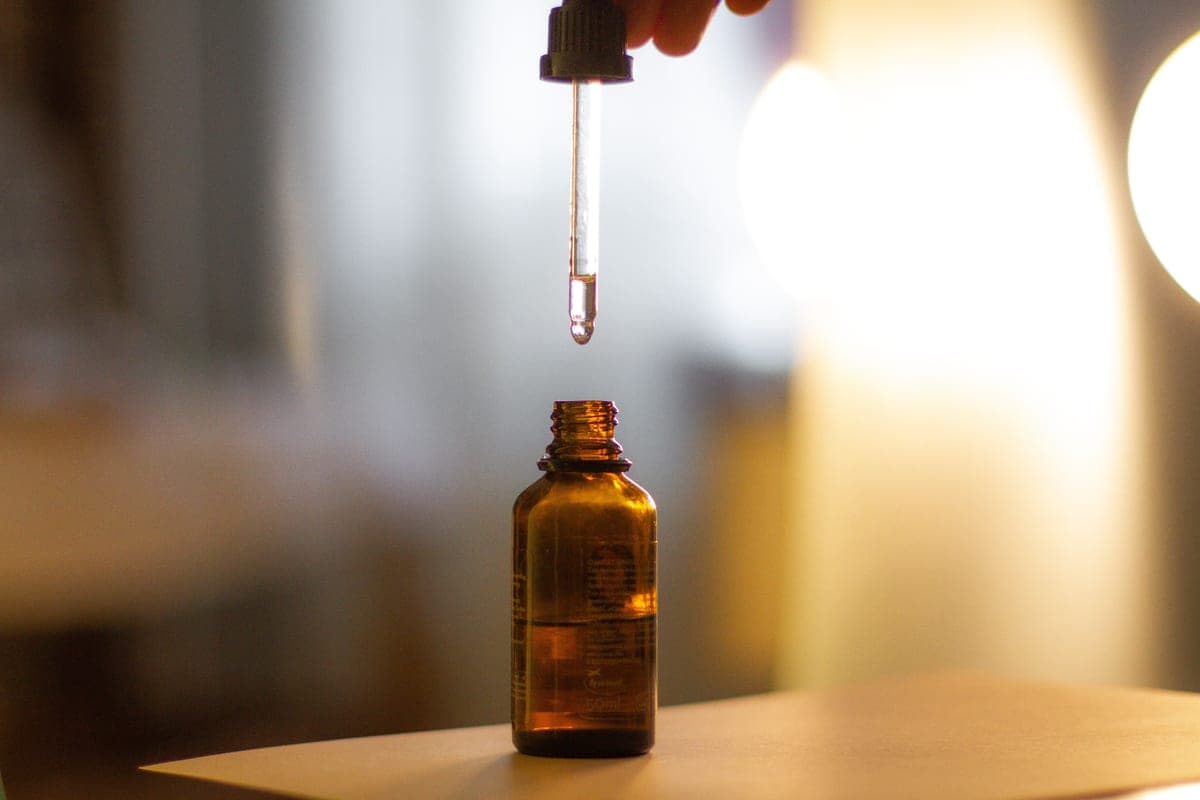
- 100% squalane oil. The purest format and the easiest to reason about. A few drops, alone or mixed into a moisturizer.
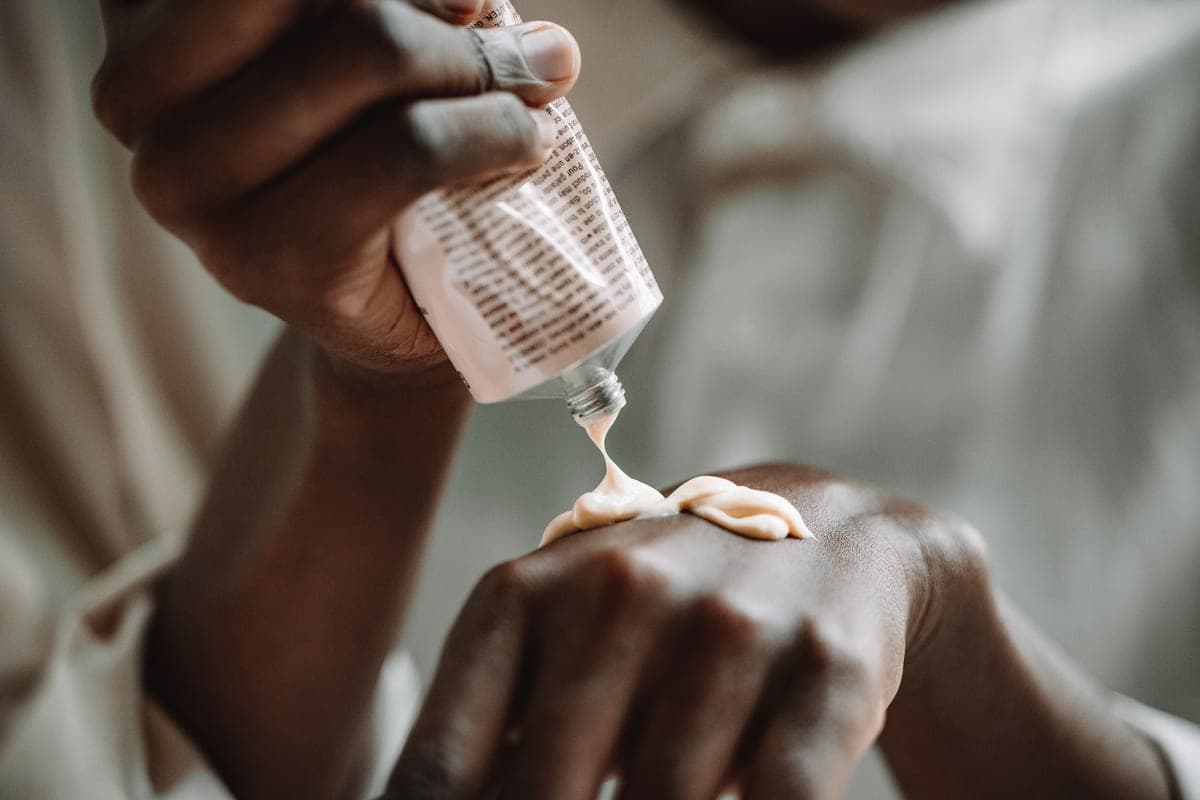
- In a moisturizer. Extremely common as an emollient at anywhere from 1% to 20%. Rarely called out on the front of the pack.
- As a carrier for an active. Retinol in squalane is the well-known example — squalane is inert enough not to interfere with the active it carries.
- In cleansing oils and balms. Where its stability is a practical advantage over plant oils that go rancid.
- In makeup. Frequently in liquid foundations and lip products for slip and comfort.
There are no strength bands to discuss, which is unusual for this hub and worth stating plainly. Squalane has no dose-dependent activity: a 100% oil is not a treatment-strength version of a 5% inclusion, it is just more oil.
How to Use Squalane
- Apply two to four drops after your water-based steps, as the last or second-to-last layer.
- Apply to slightly damp skin, or over a humectant, so there is water to seal in.
- Mix it into a moisturizer if you want more emollience without a separate step.
- Use it to buffer an irritating active: a layer of squalane before a retinoid reduces the sting with a modest cost in potency.
- Use it as the last step at night in cold weather, where it acts as a light occlusive.
- For hair, warm a drop or two between the palms and apply to the ends only.
Who It Suits, and Who Should Avoid It
Squalane suits practically everyone. It is lightweight enough for oily skin, occlusive enough to be useful on dry skin, non-comedogenic in standard assessments, fragrance-free by nature and non-sensitizing.
- Very oily skin may still not want an extra oil layer, even a light one. That is a preference, not a risk.
- Anyone who dislikes an oil finish will not enjoy it, though squalane is drier-feeling than almost any plant oil.
- If you want treatment, this is not it. Squalane will not fade a mark, clear a spot or soften a line.
- The only real caution is source, and that is an ethical question rather than a skin one.
Pairings and Conflicts
Squalane conflicts with nothing. It is chemically inert, pH-neutral, and stable in the presence of every common active.
| Combination | Verdict |
|---|---|
| Squalane + hyaluronic acid | Ideal. Humectant underneath, emollient on top. |
| Squalane + retinoid | Good, and a standard buffering technique. |
| Squalane + ceramides | Complementary. Different jobs in the same layer. |
| Squalane + acids | Fine. Apply the acid first and let it absorb. |
| Squalane + vitamin C | Fine. An oil-soluble vitamin C serum may already be built on it. |
| Squalane + sunscreen | Fine, though a heavy oil layer under sunscreen can affect the film. Use less. |
Beyond the Face: Body, Hair, Lips and Cuticles
This is one of the few ingredients where the off-face uses are as good as the on-face ones. On hair, squalane adds slip and shine to dry ends without the weight or the rancidity risk of an argan or coconut oil. On lips it is a light, non-waxy conditioner. On cuticles and hands it absorbs faster than most oils.
On the body it is expensive per square inch compared with a ceramide lotion, so the sensible pattern is a lotion everywhere and squalane on the specific dry patches.
Where to Start
Two 100% squalane oils with published plant sources. More in best squalane oils.