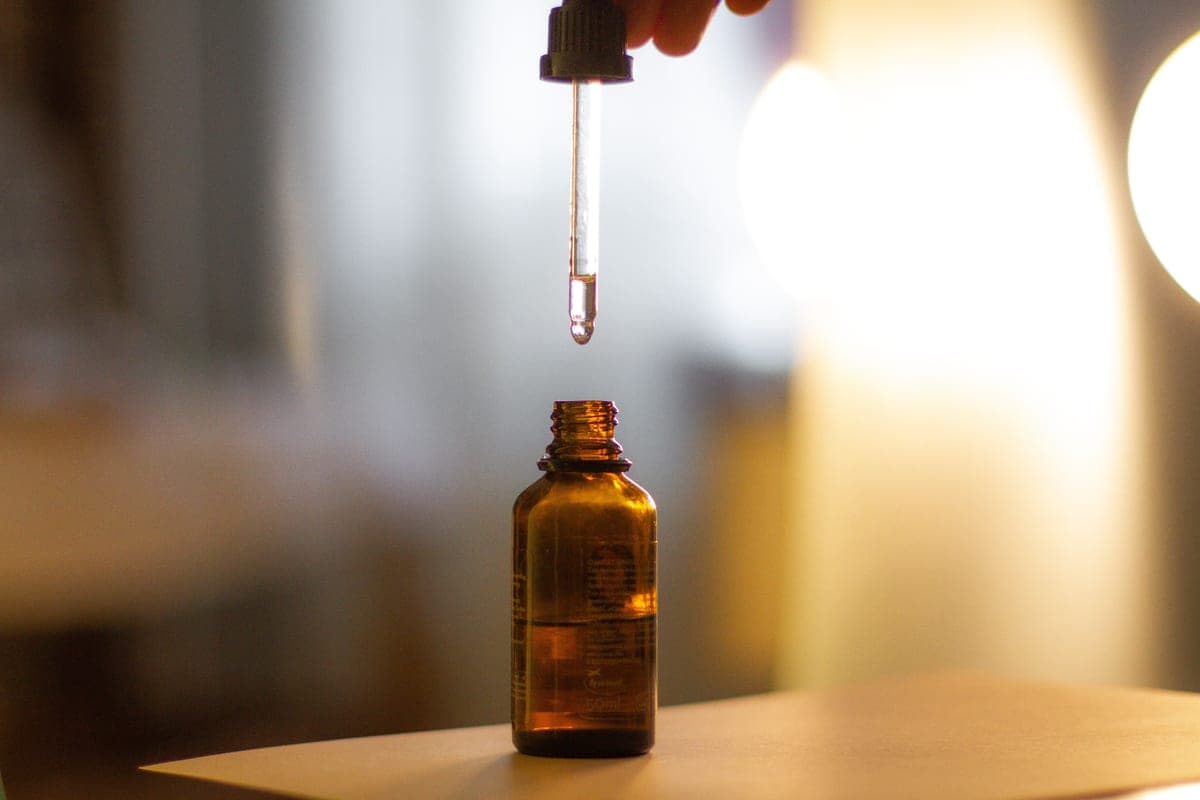
The molecule is the same in every bottle. What you are actually choosing between is the source, the purity and how much you are willing to pay for an identical ingredient.
By Sawyer V. · Published September 8, 2026 · Last updated September 8, 2026
The short answer
Squalane is a single, stable molecule and is chemically identical whichever brand sells it. Choose on published plant source, purity and price. A 100% plant-derived squalane from a brand that names its source is all this category has to offer.
Disclosure: Glow & Gild earns a commission when you buy through links on this page, at no extra cost to you. It does not change which product we recommend, and no brand pays for placement here. Read the full disclosure.
Amazon price as of October 23, 2026, 03:12 UTC — details
How We Picked
There is no potency variable here, so we ranked on whether the source is published, whether the formula is genuinely 100% squalane or a blend, and price per milliliter. Sustainability sourcing is the only meaningful differentiator, and we treated a stated source as a requirement rather than a bonus.
Everyone in this category says they tested twenty of these. We have not tested any, and we say so. What we did instead: compiled the published concentrations and ingredient lists, checked each claim against what the formula can actually support, and wrote down who each product is wrong for. The full method is published so you can check it.
Quick Picks
The short answer, by buyer. Select any row for the full write-up.
#
Product
Best for
Where to buy
1
The Ordinary 100% Plant-Derived SqualaneA single-ingredient product where the ingredient is the whole point, at a price that makes using it on hair ends and cuticles as well as your face a reasonable thing to do..
Amazon price as of October 23, 2026, 03:12 UTC — details
3
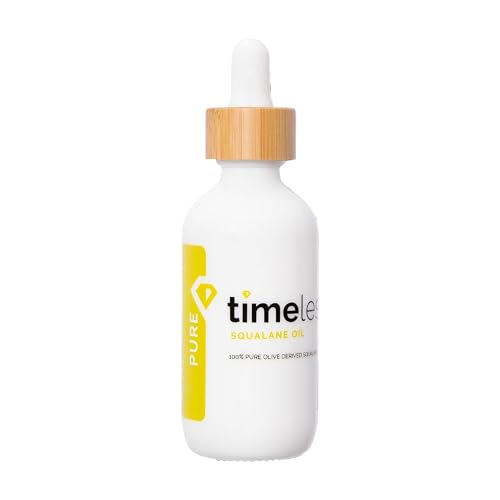
Timeless Skin Care 100% Pure Squalane OilSqualane's best uses extend well beyond the face — hair ends, cuticles, dry shins — and those uses are only practical if the bottle is big enough that you are not rationing it..
Amazon price as of October 23, 2026, 03:12 UTC — details
4
The INKEY List Omega Water CreamFor most routines a squalane-containing moisturizer is the more sensible purchase than a separate oil — one step instead of two, with barrier lipids doing complementary work in the same layer..
Squalane inside a moisturizer rather than as a step
Amazon price as of October 23, 2026, 03:12 UTC — details
#ad — buying through these links earns us a commission at no cost to you. Prices come from Amazon’s own product data and show the date they were checked; without a current one, the button says check price.
You Are Buying an Identical Molecule
This page has an unusual conclusion, so it goes at the top: squalane is squalane. It is a saturated hydrocarbon with a fixed structure, produced to cosmetic-grade purity, and a bottle from a budget brand contains the same molecule as a bottle from a prestige one.
There is no percentage to compare, no delivery system that changes the outcome, and no dose-response curve. A 100% squalane oil is not a treatment-strength version of a moisturizer containing 5% squalane — it is simply more oil, applied differently.
What that leaves is three genuine variables: the plant source, which is a sustainability question rather than a performance one; purity, which separates cosmetic-grade squalane from a blend sold under the same name; and price, which varies by roughly an order of magnitude across the category for no functional reason.
Sourcing Is the Real Question
Squalane was historically produced from shark liver oil, and that is the reason the ingredient has an ethical discussion attached to it at all. Cosmetic supply has largely moved to plant sources, but it has not moved entirely, and the supply chain is not always visible from the outside.
Source
Notes
Sugarcane, by fermentation
The current industry standard for cosmetic-grade squalane. High purity, consistent, traceable.
Olive
The traditional plant source. Purity varies by supplier and it sometimes carries a faint scent.
Amaranth
Niche, small volume, higher cost. No functional advantage.
Shark liver
The historic source and the reason sourcing is discussed. Largely displaced in cosmetics, not universally.
Practical rule: brands using plant-derived squalane almost always say so on the label, because it is a selling point. Silence on the question is not proof of anything, but it is a reason to ask — and given that the molecule is identical either way, there is no reason to buy from a brand that will not tell you.
What to Look For When Choosing Your Own
A named plant source on the label or the product page. Sugarcane or olive.
100% squalane, if that is what you are buying. Some products sold as squalane oil are blends with the squalane well down the list.
A dropper or pump, since you are using two to four drops at a time.
No fragrance. Squalane is odorless by nature, and added scent is the only way this ingredient becomes irritating.
A low price. This is the one category where paying more is close to unambiguously worse value, since the molecule cannot differ.
Squalane also has more off-face uses than almost anything else on this site — hair ends, cuticles, lips, dry patches — so buying a larger, cheaper bottle usually makes more sense than a small precious one. Details on the squalane monograph.
1 — The lowest cost for an identical molecule
The Ordinary 100% Plant-Derived Squalane
What’s in it
Published as 100% plant-derived squalane with no other ingredients
Single-ingredient formula, so there is nothing else to react to
Dropper bottle; shelf-stable for years by the nature of the molecule
A single-ingredient product where the ingredient is the whole point, at a price that makes using it on hair ends and cuticles as well as your face a reasonable thing to do.
Who it’s not for
Anyone who wants a specific named plant source. The label says plant-derived without specifying which plant, which is enough for most buyers and not enough if sourcing is why you are reading this.
Single-ingredient formula: squalane and nothing else, fragrance-free
Sugarcane-derived squalane, per the brand; vegan
3.3 fl oz (100 ml)
The molecule is identical to any other squalane, so what you are buying is a named plant source. If the sourcing question is the reason you are on this page, sugarcane on the label answers it; plant-derived does not.
Who it’s not for
Anyone indifferent to sourcing. The performance is identical to a squalane costing a third as much, and paying the difference only makes sense if the supply chain is the point.
Sold in larger bottles than most facial squalane products
No fragrance, no additional ingredients
Squalane's best uses extend well beyond the face — hair ends, cuticles, dry shins — and those uses are only practical if the bottle is big enough that you are not rationing it.
Who it’s not for
Anyone who dislikes even a faint scent in an oil. Olive-derived squalane occasionally carries a trace odor that sugarcane-derived squalane does not, and it varies between batches.
4 — Squalane inside a moisturizer rather than as a step
The INKEY List Omega Water Cream
What’s in it
Contains squalane alongside omega fatty acids and ceramides in a gel-cream base
Lightweight texture designed for combination skin
Fragrance-free, tube packaging
For most routines a squalane-containing moisturizer is the more sensible purchase than a separate oil — one step instead of two, with barrier lipids doing complementary work in the same layer.
Who it’s not for
Anyone who wants squalane specifically for its off-face uses. A moisturizer is the wrong format for hair ends and cuticles, and this cannot replace a bottle of the pure oil for those.
There is a tier of squalane oils sold at many times the price of the picks above, usually in heavier glass with a fuller marketing story. Because squalane is a single fixed molecule produced to cosmetic-grade purity, none of that changes what lands on your skin. Where a premium price does buy something real is a published, traceable plant source — and one of the picks above delivers that at a fraction of the top of the market. If you are paying a large premium and the label still does not name the plant, you are paying for the bottle. This is the clearest case on the whole site where the expensive option is simply the same product.
Frequently Asked Questions
No. Squalane is a single molecule produced to cosmetic-grade purity, so a budget bottle contains the same thing as a prestige one. The only real differentiator is a published plant source.
Squalene is the unstable lipid your own sebum contains; squalane is its hydrogenated, shelf-stable version. See squalane vs. squalene.
It is rated non-comedogenic in standard assessments and is generally well tolerated by acne-prone skin. It is also one of the lightest-feeling emollients available.
Yes — a drop or two warmed between the palms and applied to the ends. It adds slip and shine without the weight or rancidity risk of a plant oil.
Plant-derived squalane is. Shark-derived squalane exists and is the reason the ingredient has a sourcing discussion, so look for a named plant source on the label.
By Sawyer V.. An enthusiast who’s genuinely into this: I read the manufacturer documentation, compile the published percentages, and do the arithmetic. No lab coat.
What I don’t do: test products, accept free product, or accept payment for placement. I hold no clinical credential and don’t claim one. How we pick.
Published September 8, 2026 · Last updated September 8, 2026