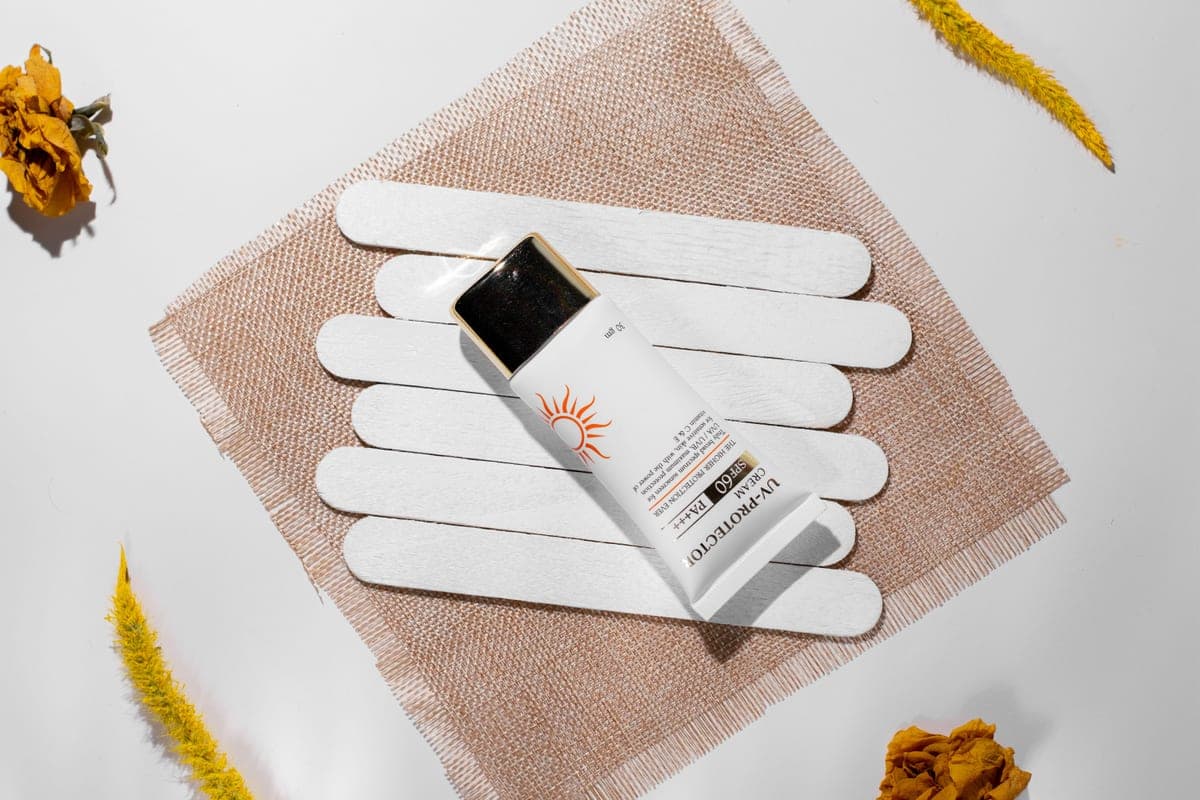
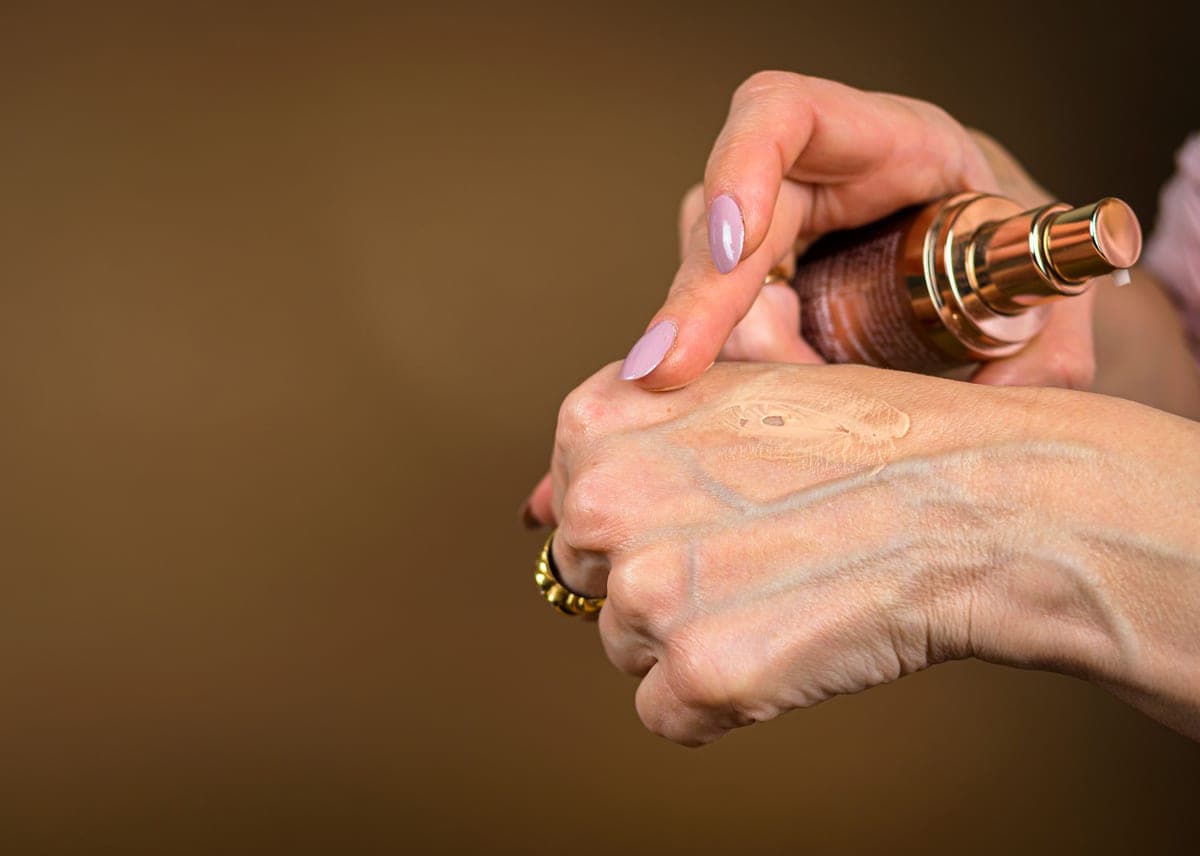
The tint does more than even out skin tone. For anyone prone to dark spots or melasma, it is part of the protection.
By Sawyer V. · Published September 10, 2026 · Last updated September 10, 2026
The short answer
A tinted sunscreen is a true sunscreen with added pigment, usually iron oxides. The tint reduces a mineral sunscreen's white cast and helps block visible light, which can worsen pigmentation such as melasma. Choose broad-spectrum SPF 30 or higher in a shade that suits you, and apply the full amount — tint makes people apply less.
Disclosure: Glow & Gild earns a commission when you buy through links on this page, at no extra cost to you. It does not change which product we recommend, and no brand pays for placement here. Read the full disclosure.
How We Picked
We treated these as sunscreens first: broad-spectrum SPF 30 or higher was the threshold, then we ranked on tint and shade range, finish and filter type. We have not tested any of these.
Everyone in this category says they tested twenty of these. We have not tested any, and we say so. What we did instead: compiled the published concentrations and ingredient lists, checked each claim against what the formula can actually support, and wrote down who each product is wrong for. The full method is published so you can check it.
Quick Picks
The short answer, by buyer. Select any row for the full write-up.
#
Product
Best for
Where to buy
1
No product photograph available for EltaMD UV Clear Tinted Broad-Spectrum SPF 46
EltaMD UV Clear Tinted Broad-Spectrum SPF 46The tinted version of a sunscreen widely used for acne-prone and reactive skin, with a light tint that suits many skin tones..
No product photograph available for La Roche-Posay Anthelios Mineral Tinted Ultra-Light Fluid SPF 50
La Roche-Posay Anthelios Mineral Tinted Ultra-Light Fluid SPF 50A mineral-only formula for sensitive skin, where the tint handles the white cast that untinted mineral sunscreens leave..
No product photograph available for Colorescience Sunforgettable Total Protection Face Shield SPF 50
Colorescience Sunforgettable Total Protection Face Shield SPF 50Offering several shades matters for tinted sunscreen, and this mineral option gives a better chance of a close match..
No product photograph available for Australian Gold Botanical Tinted Face Mineral Sunscreen SPF 50
Australian Gold Botanical Tinted Face Mineral Sunscreen SPF 50It offers tinted mineral protection at a price that makes daily, generous use realistic..
#ad — buying through these links earns us a commission at no cost to you. No price is shown because we do not run a live price feed, and a remembered number would be a guess.
Why the Tint Matters
Sunscreen filters target ultraviolet light. Visible light — the light you can see — is not blocked by most filters, yet research has linked it to worsening pigmentation, particularly in deeper skin tones and in melasma. Iron oxides, the pigments that give tinted sunscreens their color, help block visible light. That makes a tinted sunscreen a meaningful upgrade for pigmentation-prone skin, not just a cosmetic one.
The tint also solves mineral sunscreen's best-known drawback: the white cast. Zinc oxide and titanium dioxide can leave a pale film, especially on deeper skin tones, and a tint masks it. For the underlying choice of filters, see chemical vs. mineral sunscreen.
Tinted Sunscreen, Tinted Moisturizer, or Foundation With SPF
Product
Main job
Rely on it for sun protection?
Tinted sunscreen
Protection, with light coverage
Yes, if applied at the full amount
Tinted moisturizer with SPF
Coverage and moisture, with some SPF
Usually as a bonus only
Foundation with SPF
Coverage
No — applied far too thinly
The difference is how much you apply. A tinted sunscreen is designed to be used at the full quarter-teaspoon-plus amount for the face; makeup is not. If coverage is your priority, see best tinted moisturizers and tinted moisturizer vs. foundation — and wear sunscreen underneath.
No product photoNo product photograph available for EltaMD UV Clear Tinted Broad-Spectrum SPF 46
1 — Acne-prone and sensitive skin
EltaMD UV Clear Tinted Broad-Spectrum SPF 46
What’s in it
Broad-spectrum SPF 46
Zinc oxide and octinoxate filters with niacinamide, per the brand
Lightly tinted, oil-free formula
The tinted version of a sunscreen widely used for acne-prone and reactive skin, with a light tint that suits many skin tones.
Who it’s not for
Very deep skin tones, for whom a single light tint may not blend; and anyone wanting a mineral-only formula.
Choosing a tinted sunscreen by how light the coverage looks at a thin layer
It is natural to test a tinted sunscreen by applying a little and judging the finish. But a thin layer is exactly how people end up under-protected, because the product that looks best sparingly applied is rarely one you will apply at the full amount. Test at the real dose — roughly a quarter teaspoon or more for the face — and judge the finish there. If it looks too heavy at that amount, change the shade or the product, not the quantity.
Frequently Asked Questions
For pigmentation-prone skin, often yes — iron oxides in the tint help block visible light. For everyone else it is a matter of preference.
The iron oxides in tinted sunscreens help block visible light, which can worsen melasma. It supports a treatment plan rather than replacing one.
It gives light coverage. For more, use foundation on top — but keep the sunscreen as your protection.
The shade may not suit you. Try a lighter shade rather than applying less.
Many are, because the tint masks mineral white cast, but some use chemical filters. Check the active ingredients.
By Sawyer V.. An enthusiast who’s genuinely into this: I read the manufacturer documentation, compile the published percentages, and do the arithmetic. No lab coat.
What I don’t do: test products, accept free product, or accept payment for placement. I hold no clinical credential and don’t claim one. How we pick.
Published September 10, 2026 · Last updated September 10, 2026