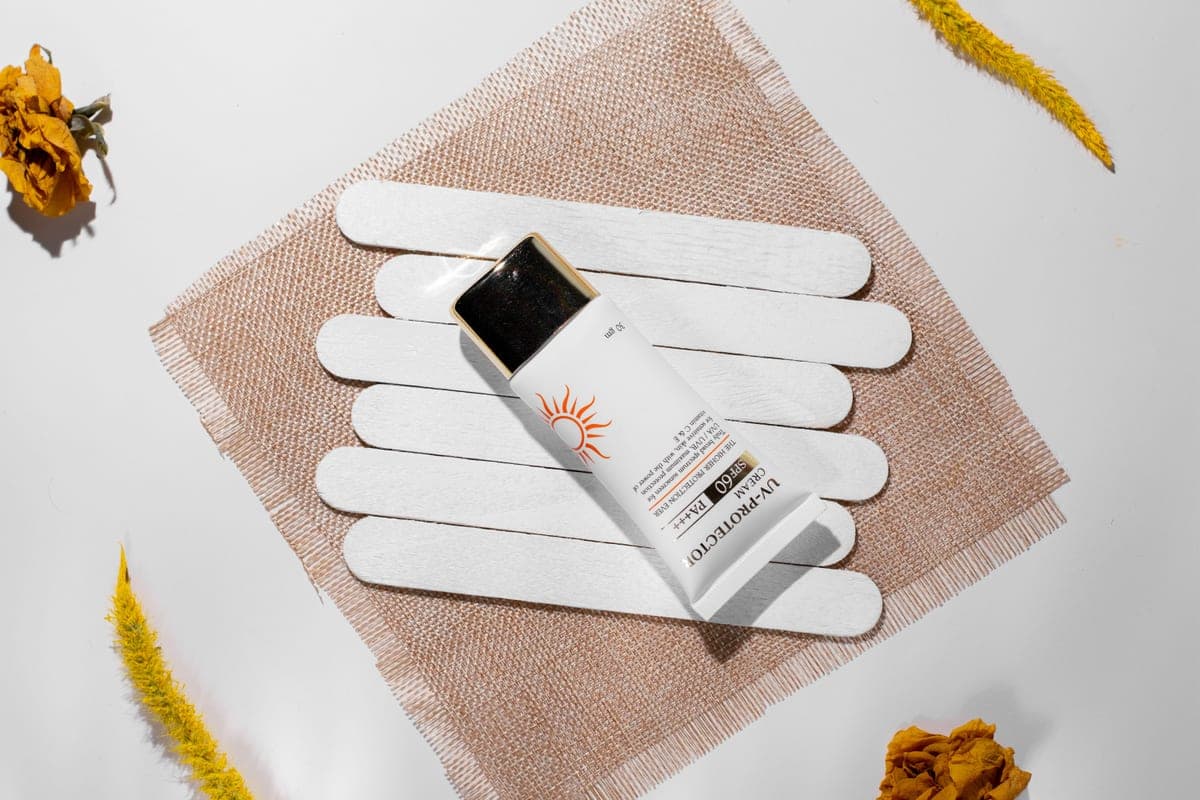
A stick is the most convenient way to reapply sunscreen and the easiest way to apply too little. The fix is simple once you know it.
By Sawyer V. · Published September 10, 2026 · Last updated September 10, 2026
The short answer
Sunscreen sticks are ideal for reapplying on the go and for small areas such as under the eyes, the nose, ears and the backs of the hands. The catch is quantity: dermatology guidance says to make at least four passes back and forth over each area, then rub it in. Used that way, a stick is a very practical second sunscreen.
Disclosure: Glow & Gild earns a commission when you buy through links on this page, at no extra cost to you. It does not change which product we recommend, and no brand pays for placement here. Read the full disclosure.
How We Picked
We required broad-spectrum protection of SPF 30 or higher, then ranked on how smoothly each stick glides — since a stick that drags gets applied too thinly — and on finish and portability. We have not tested any of these.
Everyone in this category says they tested twenty of these. We have not tested any, and we say so. What we did instead: compiled the published concentrations and ingredient lists, checked each claim against what the formula can actually support, and wrote down who each product is wrong for. The full method is published so you can check it.
Quick Picks
The short answer, by buyer. Select any row for the full write-up.
#
Product
Best for
Where to buy
1
No product photograph available for Neutrogena Ultra Sheer Face and Body Stick Sunscreen SPF 70
Neutrogena Ultra Sheer Face and Body Stick Sunscreen SPF 70It combines high protection, water resistance and a low price in a stick that works on both face and body..
No product photograph available for Supergoop! Glow Stick SPF 50
Supergoop! Glow Stick SPF 50A clear, slightly dewy stick is easy to swipe over bare skin or light makeup through the day, which is exactly when most people skip reapplying..
#ad — buying through these links earns us a commission at no cost to you. No price is shown because we do not run a live price feed, and a remembered number would be a guess.
How to Use a Stick So It Actually Protects
Make at least four passes back and forth over each area, as dermatology guidance recommends. One swipe leaves far too thin a layer.
Rub it in afterward for even coverage.
Use it for small or awkward areas — under the eyes, the nose, ears, lips, the backs of the hands.
Reapply every two hours outdoors, and after swimming or sweating.
Sticks are excellent for topping up but awkward for covering the whole body in one go. Many people use a lotion in the morning — see best body sunscreens or best face sunscreens — and carry a stick for the rest of the day.
No product photoNo product photograph available for Neutrogena Ultra Sheer Face and Body Stick Sunscreen SPF 70
1 — High protection at a drugstore price
Neutrogena Ultra Sheer Face and Body Stick Sunscreen SPF 70
What’s in it
Broad-spectrum SPF 70
For face and body
Water resistant (80 minutes)
It combines high protection, water resistance and a low price in a stick that works on both face and body.
Who it’s not for
Anyone who wants a clear, invisible finish on the face — test it on your skin tone.
The convenience of a stick invites a single swipe across the cheeks and forehead. That leaves a layer far thinner than the one SPF is tested at, and protection falls off sharply as the layer thins. Dermatology guidance is specific: at least four passes back and forth over each area, then rub it in. Four passes feels excessive the first time; it is simply what the label's SPF assumes. Swipe properly, or the stick is mostly a gesture.
Frequently Asked Questions
They can, if you apply enough — at least four passes over each area, then rub it in.
Yes, pressed and rolled gently. Clear or matte sticks disturb makeup least.
Every two hours outdoors, and after swimming or sweating.
They are easy for small areas and quick reapplication. Use a lotion for full-body coverage.
Under the eyes, on the nose, ears, lips and the backs of the hands — places lotion is easy to miss.
By Sawyer V.. An enthusiast who’s genuinely into this: I read the manufacturer documentation, compile the published percentages, and do the arithmetic. No lab coat.
What I don’t do: test products, accept free product, or accept payment for placement. I hold no clinical credential and don’t claim one. How we pick.
Published September 10, 2026 · Last updated September 10, 2026