Skip to content
Glow & Gild

Comparison

Sunscreen Stick vs Lotion

The format argument is really a dose argument. A lotion is easier to apply properly; a stick is the one you will actually reapply at 2pm.

By Sawyer V. · Published September 27, 2026 · Last updated September 27, 2026

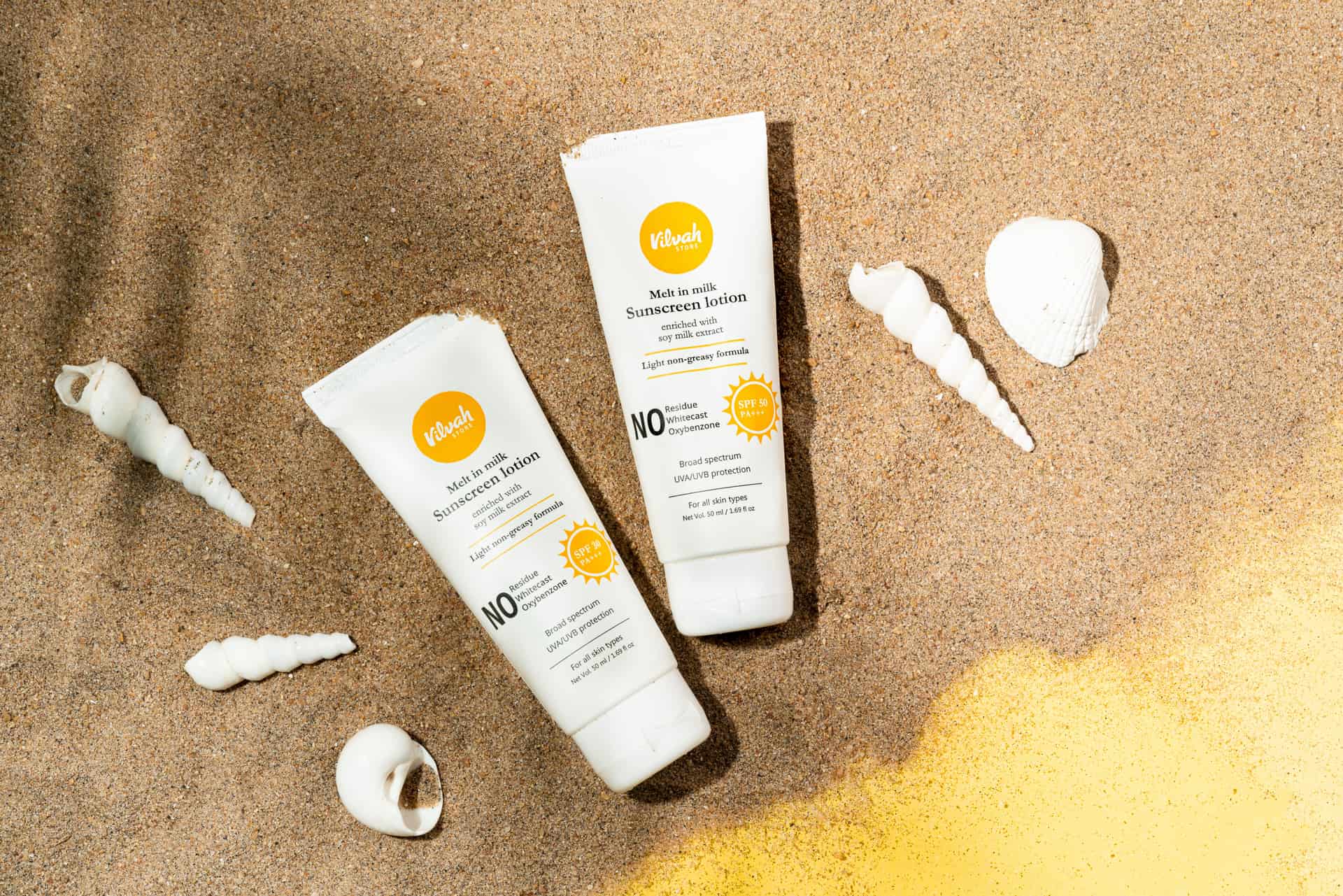
A sunscreen stick and a bottle of sunscreen lotion on sand

The short answer

Lotion is the format SPF is tested in and the easiest way to hit the tested dose, so it should be your base layer every morning. A stick is the better reapplication tool: it goes over makeup, needs no hands and travels anywhere. Use lotion first, carry a stick for the rest of the day.

Disclosure: Glow & Gild earns a commission when you buy through links on this page, at no extra cost to you. It does not change which product we recommend, and no brand pays for placement here. Read the full disclosure.

The Short Answer

An SPF number comes from a lab test at 2 milligrams per square centimeter of skin — roughly a third of a teaspoon for a face. Whether you get the protection on the label depends almost entirely on whether you apply that much. Lotions make it possible to measure. Sticks make it almost impossible to know, which is the one real argument against them.

SituationBetter formatWhy
Morning base layerLotionEasiest to apply at the tested dose
Reapplying over makeupStickNo rubbing, no disturbing the base
A day outdoors, sweatingLotion, then stick top-upsLotion covers; stick refreshes
Kids at the beachStick for faces, lotion for bodiesFaster on a moving target
Ears, hairline, tops of feetStickReaches the spots people skip
Carry-on and travelStickNot a liquid, cannot leak
Very dry skinLotionSticks are waxy and can feel tight

How They Actually Differ

StickLotion
Ease of hitting the tested doseHard to judgeStraightforward
Reapplying over makeupExcellentPoor
Greasy handsNoneYes
TravelNot a liquidCounts against liquid limits
Coverage speed on a bodySlowFast
Typical finishWaxy or dry-oilRanges from matte to rich
Cost per useHigherLower

How much is enough from a stick? Manufacturers generally advise passing it back and forth over each area several times until skin is visibly, evenly covered — not a single swipe. Four passes over each area is the common instruction, and almost nobody does it. If you use a stick as your only morning sunscreen, assume you are getting less protection than the label promises.

Who Each One Suits

  • Lotion suits everyone as the morning base, and it is the only format where hitting the tested dose is easy.
  • Sticks suit reapplication, commuting, desks, gym bags, golf, kids' faces and anyone who will not otherwise top up.
  • Oily skin often prefers a stick top-up to a second layer of lotion at midday.
  • Dry skin may find sticks tight; a rich lotion is more comfortable under makeup.
  • Anyone with a beard or long hair will find a stick easier around the hairline and jaw.

The honest framing is that the best sunscreen is the one that ends up on your skin in sufficient quantity, repeatedly. A stick you reapply beats a superior lotion sitting in a drawer, and a lotion applied properly beats a stick swiped once. Both statements are true and neither wins the argument outright — see best face sunscreen daily for choosing the base layer.

Applying Both Properly

  1. Morning: a third of a teaspoon of lotion for face and neck, as the last skincare step before makeup.
  2. Wait a few minutes before makeup so the film can set.
  3. Reapply every two hours outdoors, and after swimming or heavy sweating regardless of what the label claims.
  4. Stick technique: four passes over each area, then blend lightly with a fingertip if there is a cast.
  5. Do not forget ears, the back of the neck, the part in your hair and the tops of your feet.
  6. Store the stick out of a hot car. Heat softens the wax base and ruins the application.
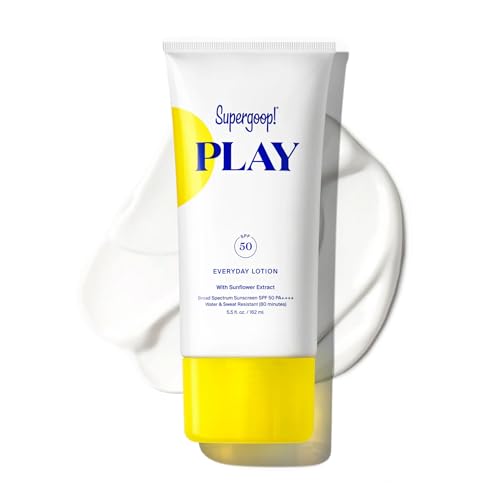
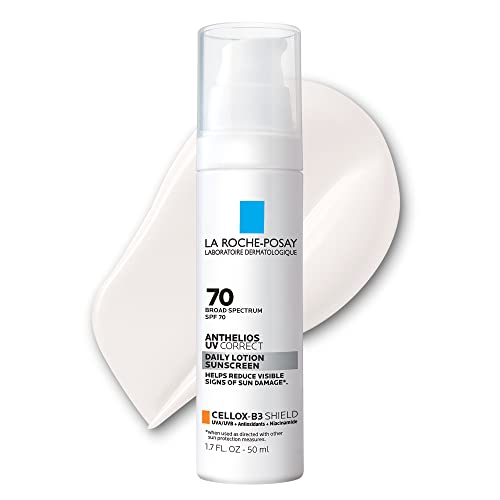
Supergoop! PLAY Everyday Lotion SPF 50

Premium Beauty listing

1 — The everyday lotion

Supergoop! PLAY Everyday Lotion SPF 50

What’s in it

  • Broad-spectrum SPF 50
  • Water resistant (80 minutes)
  • Lightweight lotion for face and body

A large bottle of a genuinely wearable SPF 50 is what makes applying the full dose realistic, morning after morning.

Who it’s not for

Anyone who dislikes any scent in a sunscreen, and anyone wanting a mineral-only filter.

$28.00 · View on Amazon

Amazon price as of October 16, 2026, 03:15 UTC — details

#ad — how we’re funded

Blue Lizard Sensitive Mineral Sunscreen SPF 50+

2 — A mineral lotion, cheaply

Blue Lizard Sensitive Mineral Sunscreen SPF 50+

What’s in it

  • Zinc oxide-based mineral filter
  • Broad spectrum, water resistant, per the label
  • Fragrance-free

Mineral protection at a price that makes generous application painless, which matters more than any other feature of a sunscreen.

Who it’s not for

Deeper skin tones who dislike a white cast, and anyone wanting an invisible finish under makeup.

$8.97 · View on Amazon

Amazon price as of October 16, 2026, 03:15 UTC — details

#ad — how we’re funded

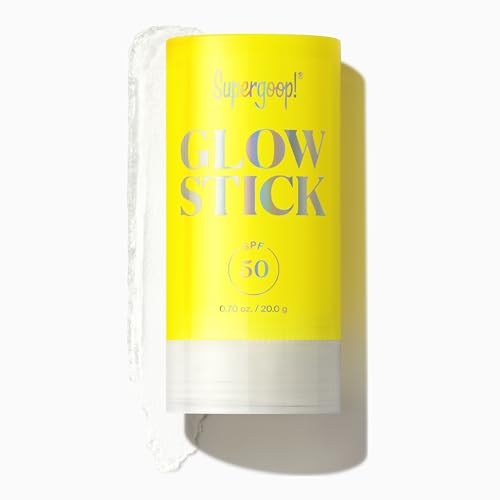
Supergoop! Glow Stick SPF 50

Premium Beauty listing

3 — The stick for reapplying

Supergoop! Glow Stick SPF 50

What’s in it

  • SPF 50 PA++++ in a 0.7 oz dry-oil stick, per the brand
  • Described as invisible with a dewy, non-greasy finish, per the brand
  • Oxybenzone-free, non-comedogenic, per the brand

A dry-oil stick glides over makeup without disturbing it, which is the single reason people actually reapply at lunchtime.

Who it’s not for

Anyone wanting a matte finish — the dewy look reads as shine on oily skin — and anyone treating one quick swipe as full protection.

$32.00 · View on Amazon

Amazon price as of October 16, 2026, 03:15 UTC — details

#ad — how we’re funded

CeraVe Mineral Sunscreen Stick SPF 50

4 — A cheap mineral stick for bags

CeraVe Mineral Sunscreen Stick SPF 50

What’s in it

  • 100% mineral filters: zinc oxide and titanium dioxide, per the brand
  • 0.47 oz travel size; oil-free, fragrance-free, water-resistant, per the brand
  • Formulated with three ceramides, per the brand

Cheap enough to keep one in every bag, which is how a reapplication habit actually forms.

Who it’s not for

Anyone needing an invisible finish — mineral filters leave a cast — and anyone covering large body areas, where the small stick is slow going.

$8.97 · View on Amazon

Amazon price as of October 16, 2026, 03:15 UTC — details

#ad — how we’re funded

Skip This One

A stick as your only sunscreen

Sticks are excellent at the job they are designed for and poor at being a base layer, because you cannot tell how much you have applied. One swipe across each cheek feels like sunscreen and delivers a fraction of the tested dose, which means a fraction of the SPF on the label. Apply a measured lotion in the morning and let the stick do what it is genuinely best at: the reapplication nobody manages with a bottle.

Frequently Asked Questions

At the same dose, yes — the filters are the same. The difficulty is knowing whether you applied enough.

Sources

Who wrote this

By Sawyer V.. An enthusiast who’s genuinely into this: I read the manufacturer documentation, compile the published percentages, and do the arithmetic. No lab coat.

What I don’t do: test products, accept free product, or accept payment for placement. I hold no clinical credential and don’t claim one. How we pick.

Published September 27, 2026 · Last updated September 27, 2026

A child with sunscreen on their face beside a pool

Roundup

Best Sunscreen Sticks

Sticks chosen for easy, mess-free reapplication — and the four-pass rule that decides whether a stick actually protects you.

Top pick: Neutrogena Ultra Sheer Face and Body Stick Sunscreen SPF 70

Two sunscreen tubes side by side on dark stone

Comparison

Chemical vs Mineral Sunscreen

Neither is inherently better, and the safety question deserves a straight answer. The decisive variable is how much you apply.

A sunscreen bottle standing on a dark minimal surface

Comparison

SPF 30 vs SPF 50

What SPF 30 and SPF 50 really mean, how much more SPF 50 protects, and why application matters more than the number.

A man applying cream to his forearm

Roundup

Best Tinted Sunscreens

Tinted sunscreens chosen as sunscreen first — and why the iron-oxide tint matters for pigmentation-prone skin, not just for looks.

Top pick: EltaMD UV Clear Tinted Broad-Spectrum SPF 46

La Roche-Posay Anthelios Melt-in Milk Sunscreen SPF 60

Roundup

Best Body Sunscreens

Body sunscreens chosen on protection, water resistance and how easy they make applying enough — the part almost everyone gets wrong.

Top pick: La Roche-Posay Anthelios Melt-in Milk Sunscreen SPF 60

$28.49 · View on Amazon

Amazon price as of October 16, 2026, 03:15 UTC — details

Nothing here is medical advice. Editorial policy · How we pick · Affiliate disclosure